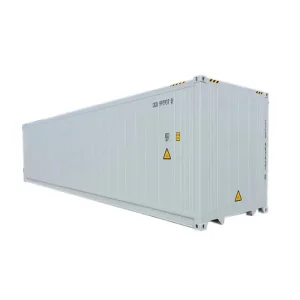
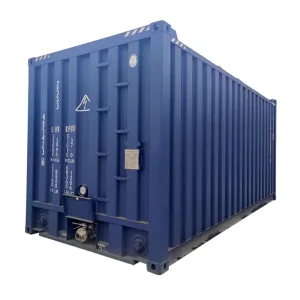
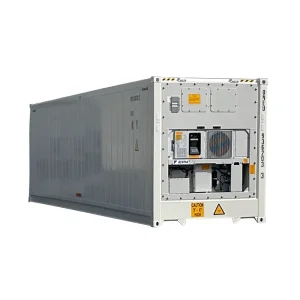
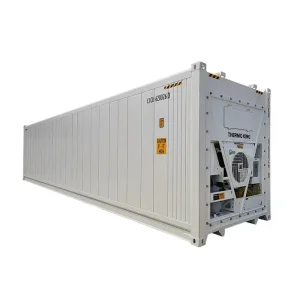
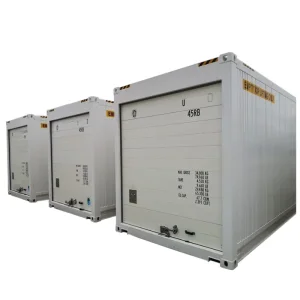
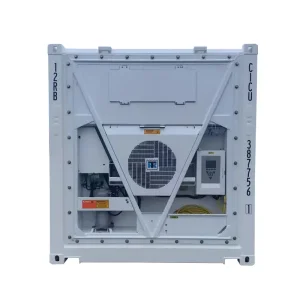
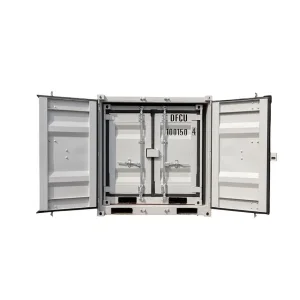
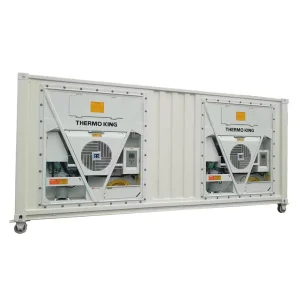
Explore initial tier OEM/ODM solutions built for offshore extreme load profiles, modular civil infrastructure, heated asphalt haulage, and high-cube refrigeration.

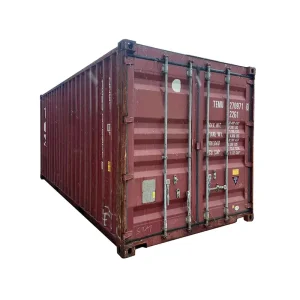
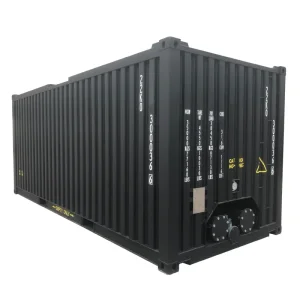
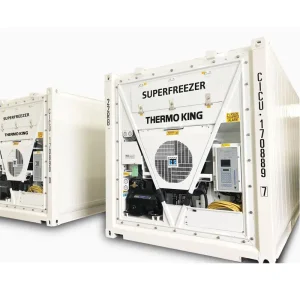
Multimodal container transport constitutes the lifeblood of contemporary international commerce, governed by strict mechanical tolerances, thermodynamic imperatives, and rigorous statutory oversight. Established in 1983, Tianjin Cimic Imp&Exp Co., Ltd. (CIMIC Group) has spent over four decades at the forefront of this industrial transformation. From our integrated engineering facilities in Tianjin and Suzhou, situated strategically approximately 100 kilometers from primary deep-water sea terminals, we bridge heavy-industry metallurgical engineering with high-velocity export distribution across Africa, Europe, the Americas, Australia, and Asia.
Modern global logistics managers face a triad of systemic disruptions: rising tare-to-payload optimization pressures, uncompromising cargo-safety regulations under classification society directives (including Bureau Veritas, DNV, ABS, and CCS), and escalating volatile environmental demands. Containerization is no longer simply buying standardized steel boxes; it is the strategic specification of bespoke structural enclosures, thermal preservation environments, and hazardous material containment systems capable of withstanding six-high dynamic shipboard stacking (exceeding 216,000 kg stacking loads under ISO 1496-1), severe rail buffing shocks (up to 2G longitudinal acceleration), and violent sea spray environments (C5-M marine anti-corrosive classifications).
Fabricated using authentic Corten-A (SPA-H) structural atmospheric corrosion-resistant steel, achieving a minimum yield strength of 345 MPa. Computer-assisted Finite Element Analysis (FEA) models extreme torsional loads, racking, and corner casting shear limits before serial production begins.
Integrating continuous automated high-pressure cyclopentane polyurethane foaming injection (density ≥ 45 kg/m³), thermal conductivity (λ) is suppressed below 0.018 W/m·K. Optimized for deep frozen pharmaceuticals, active biologics, and tropical perishable journeys.
Every single container leaving the factory floor carries certified CSC (Convention for Safe Containers) safety approval plates, authenticated by classification surveyors (BV, DNV, CCS). Offshore packages fully satisfy DNV 2.7-1 / EN 12079 dynamic lifting impact criteria.
Bridging robotic manufacturing consistency with vast raw material supply chains to ensure prompt delivery cycles, dimensional accuracy, and repeatable weld integrity.
Primary chassis frames, corrugations, and corner post assemblies are executed via multi-axis automated Gas Metal Arc Welding (GMAW). This eradicates human micro-porosity, minimizes heat-affected zone (HAZ) embrittlement, and delivers continuous tensile integrity across standard 20ft, 40ft, and custom dimensional geometries.
Steel sheets undergo Sa 2.5 automatic centrifugal shot-blasting, purging all mill scale and oxidation to profile heights between 40-75 μm. Multi-stage automated application of high-solid zinc-rich epoxy primers, intermediate epoxy tie-coats, and polyurethane topcoats provides 1,500+ hours of ASTM B117 salt-spray endurance.
Proximity to the port of Tianjin enables seamless inland logistics and rapid ship loading. Our direct vertical integration with premier Chinese steel mills guarantees uninterrupted Corten supply, insulation feedstock stability, and agile capacity ramp-ups during global container shortages.
A granular comparative architectural index for containerized intermodal equipment, outlining mechanical constraints, payload thresholds, and thermal capacities.
| Container Classification | Structural Metallurgy | Max Gross Mass (R) | Tare Mass Range | Max Payload (P) | Standard Certification |
|---|---|---|---|---|---|
| 20ft ISO Standard Dry | SPA-H Corten Steel (1.6-2.0mm) | 30,480 kg (67,200 lbs) | 2,150 - 2,300 kg | 28,180 - 28,330 kg | ISO 1496-1, CSC, BV, ABS |
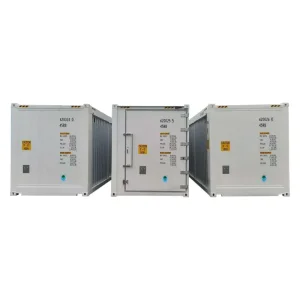
| 40ft High-Cube Active Reefer | MGSS Exterior, SS304 Inner Skin | 34,000 kg (74,950 lbs) | 4,200 - 4,450 kg | 29,550 - 29,800 kg | ISO 1496-2, ATP, Carrier/Daikin/TK |
| DNV 2.7-1 Offshore Unit | Impact Tested Structural Steel (-20°C) | 10,000 - 20,000 kg | 2,800 - 4,100 kg | Up to 16,500 kg | DNV GL-ST-E271, EN 12079, IMO MSC |
| 20ft Heated Asphalt Carrier | Q345R / Stainless Internal Coils | 36,000 kg (79,360 lbs) | 4,600 - 5,100 kg | 30,900 - 31,400 kg | IMDG, ASME Section VIII, ADR/RID |
| 20ft Half-Height Ore Bulk | Hardox / Ultra-High Yield Steel | 32,000 - 35,000 kg | 2,900 - 3,300 kg | 29,100 - 31,700 kg | ISO 1496-4, Rotatable Tippler Tested |
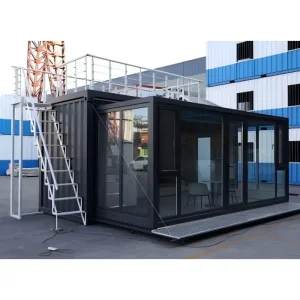
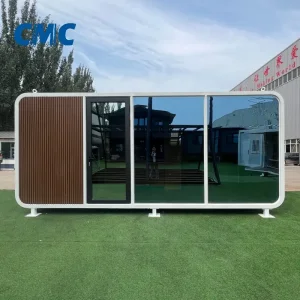
| Prefab Modular Apple Pod | Galvanized Light Gauge + Sandwich | 4,500 - 8,500 kg | 3,200 - 4,500 kg | N/A (Civil Habitation) | CE, Structural Eurocodes, UL94 |
Engineered to conquer mission-critical transport operations across demanding global verticals—from arctic pipelines to offshore platforms and automated reefer yards.
Preserving biologic efficacy requires strict adherence to Good Distribution Practices (GDP). Our three-in-one customized 40ft High Cube reefer units integrate Carrier Transicold, Daikin, or Thermo King refrigeration, supporting precise operating environments from -35°C to +30°C, and down to -60°C for deep blast ultra-cryo models with digital telematics logging.
Transporting raw asphalt and viscous binders requires specialized internal steam or thermal oil heating systems. Our 20-foot heated shipping asphalt containers feature high-pressure heat exchange tubing surrounded by rockwool mineral insulation and cladded stainless steel, ensuring material fluidity at unloading sites without thermal degradation.
Subsea and offshore drilling platform logistics demand exceptional structural resilience. Our half-height ore carriers and offshore cargo baskets are certified in direct compliance with DNV 2.7-1 / EN 12079, featuring verified pad-eyes, specialized lifting slings, and Charpy V-notch impact toughness tested to withstand -20°C dynamic sea conditions.
A strategic blueprint for international shipping lines, multi-national logistics operators, and government infrastructure contractors managing large container fleets.
Over a standard 15 to 20-year service lifecycle, initial purchase capex accounts for roughly 22% of total operational expenditure. The remaining 78% is dictated by empty repositioning tare weight penalties, structural fatigue repair frequency, internal lining degradation, and thermal unit power draw. By deploying lightweight high-tensile Corten steel, proprietary anti-microbial stainless interiors, and optimized cooling system inverters, CIMIC equipment reduces long-term fleet operational costs by up to 14.8%.
Navigating global container imbalances necessitates proactive regional supply strategies. CIMIC maintains ready stock and strategically positioned secondary units at key Chinese marine gateways including Tianjin, Qingdao, Shanghai, and Ningbo. This network allows multinational buyers to match production output directly with vessel departures, optimizing shipping slot allocations and cutting domestic inland transport charges.
Global logistics companies require unique identity markings, custom door configurations, internal lashing rings, hanging garment bars, and specialized roller shutters. CIMIC offers dedicated 1-on-1 mechanical design engineering, providing precise 3D CAD modeling, custom-matched RAL coatings, corporate decals, and full Bureau Veritas classification stamping under the client's corporate name.
Complete traceability and international compliance verification, guaranteeing your logistics assets cross customs borders and port terminals without delay.
Every unit undergoes strict survey documentation. Valid CSC safety approval plates, customs seals (TIR convention approval), and UIC registration plates are physically stamped and cross-verified against marine safety databases before port transport.
Prior to signing off, each container completes structural load, weather-tightness, and electrical safety testing. Refrigerated units undergo full pre-trip inspections (PTI), pull-down thermal testing to -25°C, and pressurized smoke checks to detect micro-gasket leaks.
With standardized Carrier, Thermo King, and Daikin machinery, parts availability and field repairs are supported in over 120 global container ports. Our team provides dedicated replacement gaskets, lock-rod gears, and structural panels for maintenance depots worldwide.
Anticipating structural engineering developments, next-generation natural refrigerants, and intelligent IoT asset ecosystems for the next decade of transport logistics.
The transition toward fully autonomous digital intermodal fleets is already underway. Next-generation CIMIC containers integrate low-power satellite and 5G cellular sensors into the corner casting core. Fleet controllers monitor internal temperature gradients, atmospheric humidity, oxygen-to-nitrogen ratios, and door access in real time, with zero manual yard inspections.
In response to the Kigali Amendment, CIMIC is actively developing reefer chassis engineered specifically for ultra-low Global Warming Potential (GWP) refrigerants. Working with Carrier's NaturaLINE and Daikin R-452A systems, our thermodynamic production lines achieve zero ozone depletion and near-zero carbon emission profiles on long ocean routes.
By pairing high-strength structural steels with carbon-fiber reinforced polymer (CFRP) roof rails and nanoporous silica aerogel blanket insulation, our developmental tare-minimization program seeks to decrease structural weight by 18% while enhancing thermal efficiency, allowing higher pay-load volumes on every intermodal transit run.
Authoritative insights into structural parameters, compliance testing protocols, and volume procurement directly from our chief engineering staff.
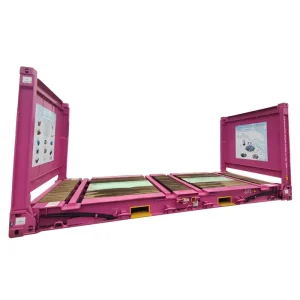
CIMIC supplies complete ISO-standard series (10ft, 20ft standard, 20ft High Cube, 40ft standard, and 40ft High Cube) dry, reefer, and insulated models. Beyond standard sizes, our factory designs and manufactures specialized half-height bulk containers, full side-opening access boxes, multi-door roll-up units, 45ft ultra-cubes, nested mini-storage units (from 4ft to 12ft), and custom platform flat-racks engineered to bespoke project specifications.
We integrate premier global refrigeration systems, including Carrier Transicold (ThinLINE, PrimeLINE), Daikin (Zestia, LXE10E), and Thermo King (Magnum Plus). Units can be configured with specific dual-voltage inputs (380V/460V 3-phase, 50/60Hz), optional clip-on or underslung diesel generator sets (gensets), and specialized remote monitoring digital telematics controllers based on your operational conditions.
Our operations are ISO 9001 certified for quality management and ISO 14001 certified for environmental compliance. Standard export units bear full Bureau Veritas (BV), ABS, or CCS CSC safety approval plates, certifying structural endurance under international conventions. Our specialized offshore line is fabricated and verified in complete compliance with DNV 2.7-1 / EN 12079 dynamic drop-test and extreme offshore lifting parameters.
An active reefer features an integrated electromechanical cooling and heating system that continuously maintains cargo within a set temperature profile (down to -35°C, or -60°C on blast freezers), requiring a steady electrical connection or external diesel genset. An insulated container uses high-density polyurethane foam within an airtight shell without active machinery, passively slowing thermal dissipation—making it an ideal, cost-effective choice for shorter hauls, non-perishable temperature-sensitive goods, or regional cross-docking.
All pre-owned units retired from international carrier operations undergo a multi-point inspection at our port storage facilities (Tianjin, Qingdao, Shanghai). Certified engineers evaluate structural squareness, floor beam soundness, corner post deflection, door gasket integrity, and light-leak seals to guarantee Wind & Water Tight (WWT) or Cargo Worthy (CW) status. Reefer machinery runs a full automated Pre-Trip Inspection (PTI) before release to verify cooling performance.
For standard ISO dry and reefer models held in current yard stock, minimum order quantities can be as low as a single unit. For bespoke OEM/ODM projects requiring custom stamping dies, non-standard dimensional geometry, or specialized cut-outs (such as Apple pods or combination roll-up reefers), MOQs generally start at 2 to 4 units depending on raw material sourcing. Serial production lead times typically range from 20 to 35 days from finalized 3D CAD engineering sign-off.
Complete your procurement review with high-efficiency polyurethane foam builds, DNV offshore modules, square liquid tanks, and blast-freezer solutions.