Industrial-Grade ISO 1496, DNV 2.7-1, and BV Certified Intermodal Logistics Engineering. Direct-from-Factory Solutions Optimized for Mining, Chemical, Offshore, and Commercial Cold Supply Chains.
High-specification intermodal logistics solutions built in compliance with international transport standards, marine safety codes, and custom structural specifications.
Industrial operators, global chemical producers, EPC contractors, and defense supply agencies require structural integrity, strict regulatory alignment, and verified asset longevity.
Global procurement teams prioritize SPA-H Corten atmospheric corrosion-resistant steel. Utilizing specialized alloys ensures that shipping and modular containers endure aggressive marine salt-spray (C5-M atmospheric durability) without structural failure over standard 15-to-25-year lifespans.
By standardizing on ISO 668 dimensions, multinational corporations reduce multi-modal transit friction. From rail flatcars to panamax container vessels, standardized containerized assets eliminate intermodal transfer costs and reduce insurance premiums.
Procuring capital logistics hardware requires simultaneous compliance with CSC (International Convention for Safe Containers), ISO 1496 (Cargo Container Specifications), and project-specific certifications such as DNV 2.7-1 / EN 12079 for critical offshore lifting safety.
From dangerous chemical transport to automated edge computing containers, our engineering divisions deliver bespoke adaptations of dry, reefer, and offshore platforms.
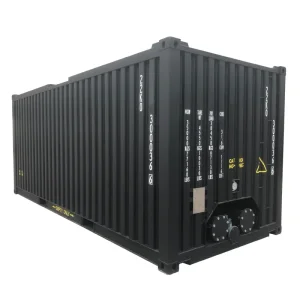
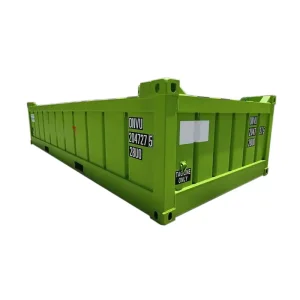
Fabricated for dynamic wind and wave forces, our DNV-certified half-height bins, subsea umbilical transport frames, and modular battery energy storage system (BESS) shelters integrate structural pad eyes, automated fire-suppression raceways, and internal explosion-proof wiring.
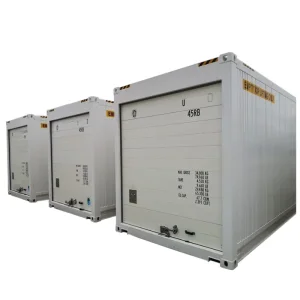
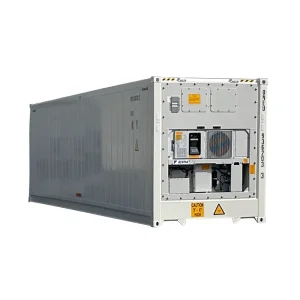
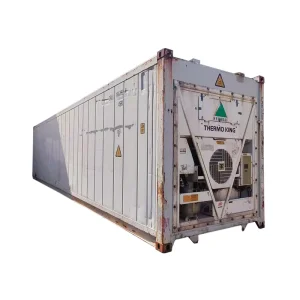
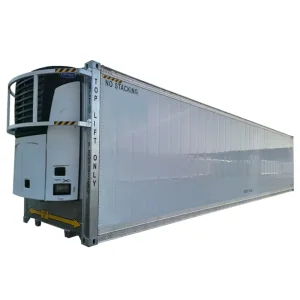
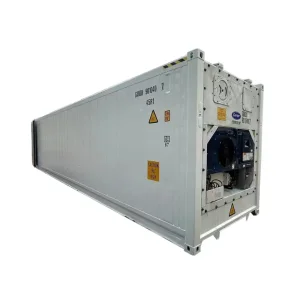
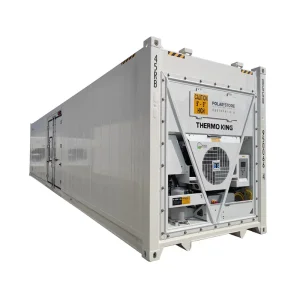
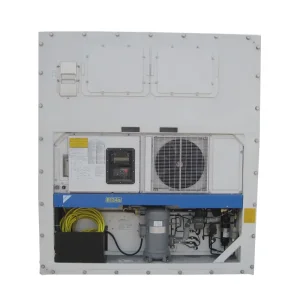
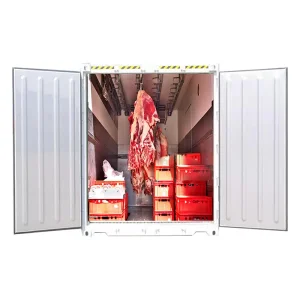
Utilizing high-efficiency Daikin, Carrier, or Thermo King machinery, our refrigerated containers preserve cargo from -35°C to +30°C. Coupled with food-grade stainless steel interior lining and T-bar air distribution flooring, perishables and pharmaceutical consignments maintain uncompromised thermal integrity.
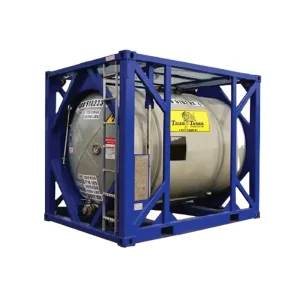
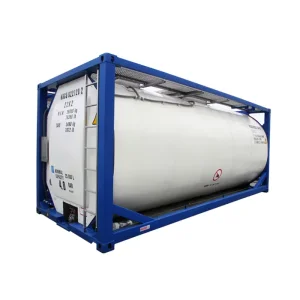
High-grade stainless steel (316L) ISO tanks and electric/thermal oil-jacketed asphalt containers allow safe cross-border transit of dangerous goods under IMDG Code regulations, maintaining optimal viscosity and pressure parameters throughout multi-month routes.
| Platform Category | Structural Metallurgy | Thermal / Load Capacity | Regulatory Compliance | Primary Industrial Use-Case |
|---|---|---|---|---|
| Offshore Rig Containers | EN 10025 S355 / Corten Grade A | Tested to 2.5x Design Dynamic Load | DNVGL-ST-E271, EN 12079, CSC | Subsea drill tooling, remote offshore platforms |
| Cold Storage Reefers | SUS304 Interior / SPA-H Frame | K-Value < 0.38 W/(m²·K), -35°C to +30°C | ATP, ISO 1496-2, BV, TIR | Pharma vaccines, protein exports, site cold rooms |
| Liquid & Asphalt Tanks | UN Portable T11/T14 / 316L / Q235B | Steam/Electric Heating up to 220°C | IMDG, ASME Section VIII, ADR, RID | Bitumen, bulk solvents, industrial reagents |
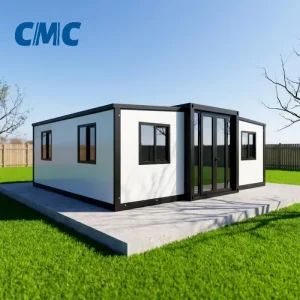
| Modular Industrial Houses | Corrugated Steel Panel Envelope | High R-Value Polyurethane Foam Core | CE, ISO 9001, National Fire Codes | Emergency camps, mining billets, remote labs |
How algorithmic manufacturing, structural composites, and smart asset telemetry are shaping the future of global cargo containers.
Modernized container architectures incorporate built-in cellular and satellite-connected telematics. Factory-integrated sensor suites relay real-time tri-axial shock readings, temperature profiles, internal pressure curves, and door status to cloud platforms, mitigating transit damages autonomously.
Transitioning toward net-zero supply chains, our next-generation reefer hulls implement vacuum insulation panels (VIP) and aerogel composite barriers paired with ultra-low Global Warming Potential (GWP) natural refrigerants such as R-744 (CO₂), cutting thermal standby power consumption by up to 32%.
By leveraging Finite Element Analysis (FEA) and high-precision robotic arc welding, corner casting joints and side rails achieve near-zero defect tolerances. Automated production ensures complete seam penetration, essential for pressurized containment and continuous offshore hoisting.
Ensuring full compliance with target-market maritime standards, cross-border customs requirements, and environmental mandates.
Every newly built unit is stamped with a verified International Safe Container (CSC) approval plate, issued under the supervision of recognized classification bodies such as Bureau Veritas (BV), ABS, or DNV, permitting seamless interchange across international freight lines without dock delays.
Strategically situated within 100 kilometers of the major Northern maritime hub of Tianjin, China, our manufacturing facilities enable direct staging and port-side container consolidation, minimizing inland drayage emissions and streamlining roll-on/roll-off and lift-on/lift-off procedures.
Providing specialized mechanical layouts, roll-up shutter access, reinforced flooring structures (up to 9-ton forklift axle load compliance), blast-resistant wall panels, and bespoke RAL powder coating finishes tailored to company brand standards.
Key considerations when procuring custom-engineered and standard ISO storage containers from China.
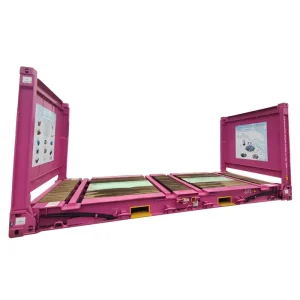
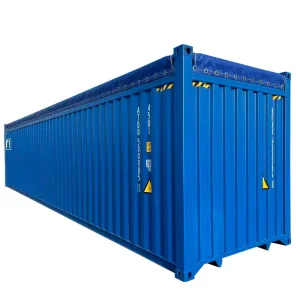
Our standard manufacturing lines produce 10ft, 20ft standard, 20ft high-cube, 40ft standard, and 40ft high-cube units. In addition, our custom engineering department builds bespoke footprints including 8ft mini-containers, half-height open-top bins, platform flat racks, multi-door configurations, and scalable modular houses according to customer structural drawings.
We configure reefer containers with genuine, brand-certified refrigeration units from industry leaders including Thermo King, Daikin, and Carrier Transicold. Selection depends on target cargo temperatures (deep freeze down to -35°C vs. chilled pharma/produce) and available power requirements on site or aboard vessel.
All containers are supplied with complete manufacturing documentation, material traceability certificates, paint thickness records, and third-party inspection certificates from bodies such as Bureau Veritas (BV), ISO 9001, and DNV for offshore platforms. Valid CSC plates are installed on every container designated for intermodal transport.
An active reefer container includes an electric-powered refrigeration condensing system that continually regulates internal temperature. An insulated (non-operational) container relies exclusively on high-density polyurethane wall, floor, and roof insulation panels to passively maintain thermal equilibrium, making it suitable for moderate transit times or static food/produce storage where external power is not available.
Standard ISO dry containers and ready port stock can typically be purchased with an MOQ of 1 unit. For non-standard structural modifications, customized paint configurations, or bespoke frame engineering, production line retooling generally requires an MOQ between 2 to 4 units, depending on the complexity of the steel fabrication.
Browse our extended product portfolio including modified reefer architectures, prefabricated container spaces, and certified heavy-lift modules.