Explore certified temperature-controlled units, specialized bulk payload carriers, and heavy-duty offshore storage units built directly to ISO standards.
Analyzing structural integrity, metallurgical specifications, and the microeconomic factors shaping the shift from standardized freight units to specialized on-site modular infrastructure.
In modern intermodal freight networks and decentralized static warehousing, the deployment of types of storage containers transcends basic dry-box freight utility. Across North America, Western Europe, and rapidly modernizing transit hubs throughout Africa and Latin America, global operators face complex logistical variables. Regulatory pressures require cargo assets to serve dual functions: rugged transport containment conforming to the International Convention for Safe Containers (CSC) and agile, localized on-demand storage facilities capable of enduring environmental degradation.
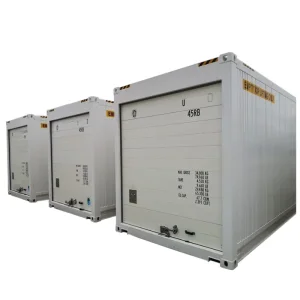
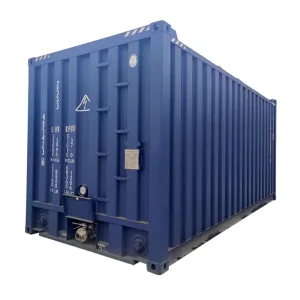
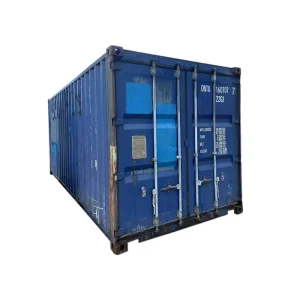
The contemporary categorization of storage containers encompasses a diverse spectrum of specialized structural systems. Standard ISO dry containers (ranging from 10ft miniature configurations to 40ft High Cube geometries) form the baseline of secure dry-cargo caching. However, industrial procurement teams now increasingly specify advanced configurations:
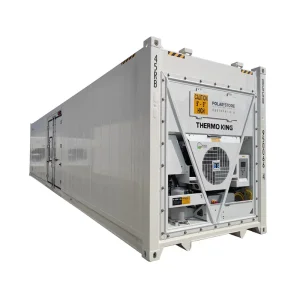
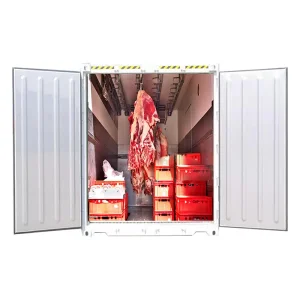
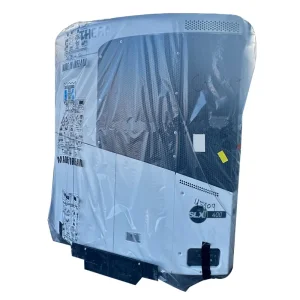
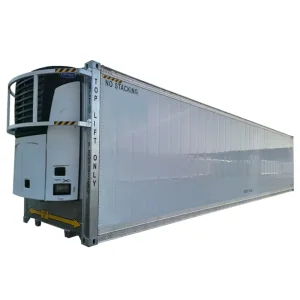
Engineered for pharmaceuticals, perishable foodstuffs, and biochemical compounds. Features deep-freeze active cooling platforms driven by Carrier, Daikin, or Thermo King machinery, paired with passive vacuum insulation options.
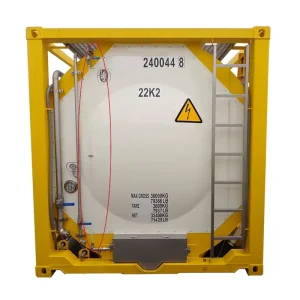
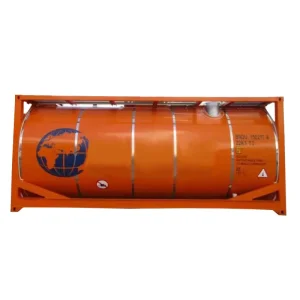
T11 to T50 grade stainless steel cylindrical bodies embedded in structural frames for food-grade potable liquids, corrosive industrial chemical storage, and combustible petroleum handling with full ATEX compliance.
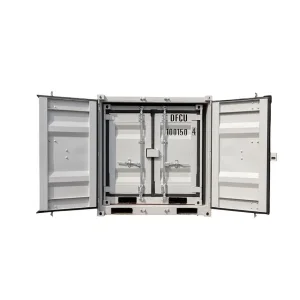
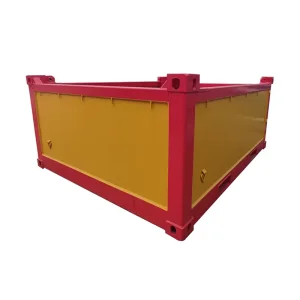
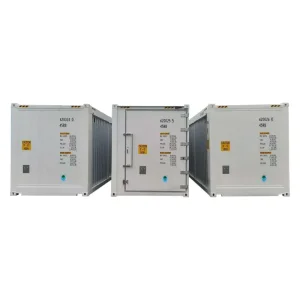
Built under DNV 2.7-1 / EN 12079 structural mandates. Features reinforced corner castings, multi-point sling assemblies, and certified yield strengths capable of handling extreme North Sea wave slam kinematics.
How concentrated industrial clusters, automated robotic plasma profiling, and integrated maritime proximity drive unprecedented OEM/ODM precision.
The manufacturing dominance of Chinese container fabrication factories—led by our facilities situated in the strategic corridor between Tianjin Pilot Free Trade Zone and Suzhou—stems from a fully integrated industrial vertical. Unlike assembly-only workshops in other global regions, Chinese OEM factories maintain immediate, uninterrupted access to raw Corten-A (corrosion-resistant weathering steel) directly from premier domestic smelting centers. This guarantees certified metallurgical tensile strength (exceeding 485 MPa) from the baseline structural plate to the precision corner post castings.
Furthermore, our integrated factories incorporate automated shot-blasting, multi-axis robotic arc-welding, and eco-friendly zinc-rich waterborne coatings within single continuous manufacturing lines. Located merely 100 km from major container sea terminals (Tianjin Port and Shanghai Port), transit demurrage is structurally eliminated. This unique supply line geometry enables our plants to maintain high delivery predictability, whether producing short-run bespoke offshore equipment or multi-thousand-unit dry container tenders for national defense, humanitarian agencies, or major logistics fleets.
Analyzing how different types of storage containers fulfill mission-critical demands across diverse global industrial environments.
In the copper corridors of Central Africa and the iron regions of Western Australia, heavy-duty half-height containers and reinforced offshore baskets withstand severe abrasive mass loadings while enduring extreme ambient heat and abrasive dust storms.
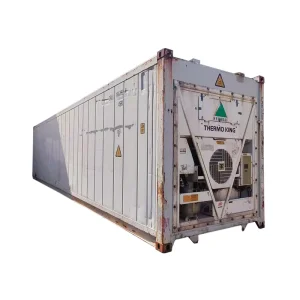
Equipped with dual Carrier or Thermo King refrigeration units, these 40ft High Cube insulated reefers act as static cold rooms in European urban logistics distribution nodes, maintaining stable temperatures from -30°C to +30°C with automated failover systems.
Custom OEM modular container envelopes engineered specifically for Battery Energy Storage Systems (BESS). Integrated with structural blast-relief panels, thermal dissipation ducted vents, and pre-engineered fire suppression conduit brackets.
Emerging developments in lightweight composites, autonomous IoT telemetry, and circular lifecycle containment units.
Modern types of storage containers are integrated during assembly with low-power wide-area (LPWAN) sensors. These transmit real-time internal humidity, structural impact/shock, atmospheric pressure, and thermal variations directly to centralized operational cloud platforms.
R&D roadmaps focus on replacing conventional timber plank floors with recyclable fiber-reinforced plastic (FRP) and closed-cell structural polyurethane cores. This reduces tare weight by 18% while enhancing chemical and microbial resistance.
Factory transitions are under way toward closed-loop electric arc furnace (EAF) steel sourcing, waterborne zero-VOC paints, and automated robotic line optimization designed to systematically reduce the embodied carbon score per TEU produced.
Independent third-party verification ensuring uncompromised mechanical safety during intermodal transport and long-term site placement.
Each container produced under our OEM export program undergoes rigorous testing to guarantee compliance with global maritime and terrestrial codes. We coordinate with world-recognized classification societies, including Bureau Veritas (BV), Det Norske Veritas (DNV), and Lloyd's Register, providing fully stamped verification paperwork before units depart factory staging docks.
Every standard dry and reefer unit is certified according to the 1972 International Convention for Safe Containers, affixed with an anti-corrosion safety approval plate verified for stacking, racking, and lifting loads.
Full manufacturing compliance with ISO 668 (classification, dimensions, ratings), ISO 1496 (specification and testing of cargo containers), and ISO 1161 (corner fittings mechanical dimensions).
Rigid protocols for offshore cargo carrying units (CCUs), subjecting frames to charpy impact testing at -20°C, non-destructive testing (NDT) on welds, and four-point sling drop procedures.
Customs-sealed designs that conform to the Customs Convention on the International Transport of Goods Under Cover of TIR Carnets, alongside UIC 592 regulations for European rail integration.
Precise metallurgical, dimensional, and logistical answers from our senior container engineering division.
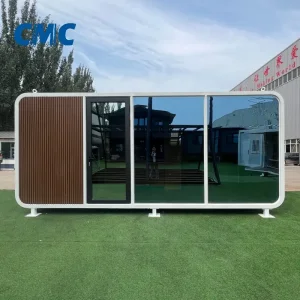
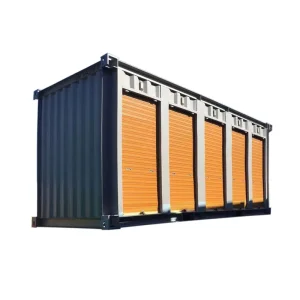
Explore customized roll-up assemblies, modular prefab spaces, side-opening reefer architectures, and specialized multi-door storage assets.