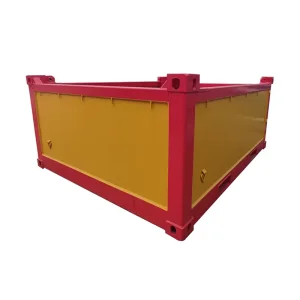
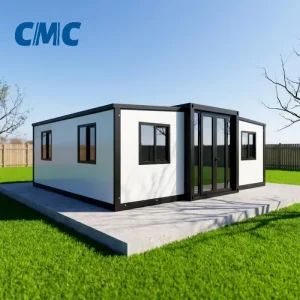
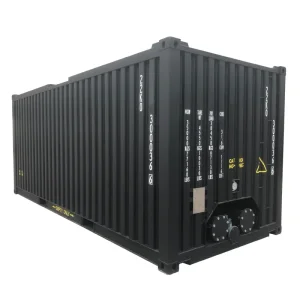
Explore our heavy-duty intermodal and specialized container portfolio. Precision-welded and certified by global classification bodies including Bureau Veritas (BV), ABS, and DNV GL.
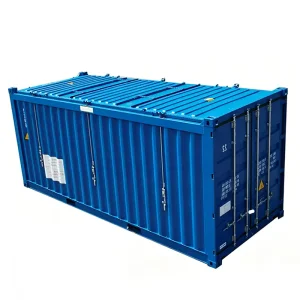
A comprehensive examination of dynamic torsional rigidity, overhead crane accessibility, removable steel roof panel integrity, and metallurgical selection for specialized intermodal transport.
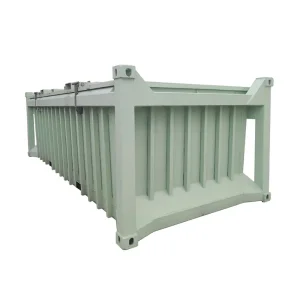
Fabricated from cold-rolled corrugated Corten steel, the roof panel features integrated forklift pockets and overhead crane lifting rings. It can be swiftly unlocked and hoisted clear, leaving completely unobstructed top-down access.
Eliminates overhead clearance friction. The top rear door header is engineered on precision pivot hinges, permitting 180-degree lateral swinging or complete removal to roll cargo in horizontally without vertical collision.
Weatherproofing is safeguarded through automotive-grade marine EPDM double-lip compression gaskets running the perimeter of the roof frame, resisting UV degradation, sea spray, and violent barometric changes.
| Technical Parameter | 20ft ISO Hard-Top Open-Top | 40ft High-Cube Hard-Top Open-Top | Standard Soft-Top (Tarpaulin) |
|---|---|---|---|
| Roof Structure Type | Removable Rigid Corten Steel Plate | Removable Rigid Corten Steel Plate | TIR-Approved PVC Tarpaulin + Roof Bows |
| Internal Opening (L x W) | 5,588 mm × 2,216 mm | 11,714 mm × 2,216 mm | 5,480 mm × 2,200 mm |
| Max Gross Weight (M.G.W.) | 30,480 kg – 32,500 kg | 32,500 kg – 38,000 kg | 30,480 kg |
| Stacking Capability | 9-High Stack at 86,400 kg | 9-High Stack at 86,400 kg | Restricted Top Tier Placement Often Required |
| Cargo Security & Anti-Theft | Maximum (Internal lockable bolts) | Maximum (Internal lockable bolts) | Vulnerable to Blade Slashing / Intrusion |
| Bulk Density Accommodation | Optimal for Heavy Machinery / Minerals | Optimal for Large Turbines / Over-height Cabs | Light to Medium Industrial Spares |
Harnessing world-class metallurgical clusters, fully robotic production corridors, and deepwater maritime proximity in Tianjin and Suzhou to deliver unparalleled manufacturing precision.
Direct supply lines with China's premier steel mills guarantee certified SPA-H weathering steel coils. This alloy generates a stable oxide patina when exposed to maritime environments, yielding three times higher atmospheric corrosion resistance than conventional structural carbon steel.
Our Tianjin assembly lines utilize multi-axis robotic welding cells for structural side rails, floor crossmembers, and corner castings. Precision-controlled heat intake minimizes residual stress and structural deformation, guaranteeing sub-millimeter diagonal tolerance across all 40ft frames.
Raw steel undergoes automated continuous shot blasting to Swedish SA 2.5 standard, removing all mill scale. A three-tier paint scheme follows: zinc-rich epoxy primer (30μm), epoxy intermediate tie-coat (40μm), and top-tier acrylic polyurethane enamel (40μm) providing a robust 10-year marine lifespan.
A strategic evaluation framework for procurement executives, asset fleet managers, and international engineering EPCs assessing asset longevity and residual valuation.
Global logistics contracts require absolute adherence to ISO 668 dimensions, ISO 1496-1 testing loads, and CSC (International Convention for Safe Containers) accreditation. Procurement teams must ensure that container certification includes class society approval stamps (BV, DNV, ABS, or LR) before vessel placement.
Traditional soft-top containers incur continuous operational expenses: torn tarpaulins, damaged TIR cords, bent roof bows, and cargo moisture claims. Hard-top steel roofs eliminate consumable canvas replacements, lowering 10-year container maintenance expenditures by upwards of 42%.
Due to the structural rigidity of Corten steel side panels and rigid roof modules, hard-top containers command significant secondary market premiums. Retired units serve as highly secure modular equipment shelters, mining site tool stores, or heavy dry containers without needing retrofitted steel caps.
From deep-desert mining concessions to sub-zero offshore drilling logistics, hard-top open-top containers resolve severe cargo dimensional bottlenecks.
Massive cast excavator counterweights, jaw crushers, and hydraulic power units exceed standard door clearances. Overhead overhead cranes drop components directly onto reinforced 28mm hardwood or steel-checker floors with 5-ton internal lashing D-rings.
Precision-machined wind turbine gearboxes require both top-down crane loading and hermetic weather protection. Once lowered into the container, the steel roof is sealed shut, safeguarding delicate electrical and mechanical components from driving coastal rain.
Concentrated weight demands extreme floor shear strength. Equipped with transverse steel floor gussets and dense crossmembers spaced at 250mm, our hard-top open-top units withstand severe axle and point loads without bottom longitudinal deflection.
By swinging open the rear header and hoisting off the hard roof, oilfield service teams load 40ft pipe joints and blowout preventers horizontally with yard telehandlers, avoiding damage to delicate thread protectors.
Jet engine nacelles are suspended in specialized shock-absorbing cradles that must be crane-hoisted vertically. The hard-top design provides absolute security and eliminates risk of tarpaulin flap chafing in high-speed rail intermodal transits.
For cargo exceeding standard height by mere inches, the container can transit with the roof locked off as an Out-of-Gauge (OOG) unit, or utilize elevated roof extension collars while maintaining steel top closure.
Each unit leaves our factory verified under rigorous mechanical destruct and non-destruct quality assurance regimes according to international maritime conventions.
Certified under the International Convention for Safe Containers with a high-nickel stainless steel data plate. Approved for international customs transit under TIR carnets with fully sealable locking hardware.
Hydraulic test rigs apply 86,400 kg of static load per corner post to confirm 9-high container stack safety onboard ultra-large container vessels (ULCVs) undergoing 30-degree ocean rolling forces.
Heavy axle load testing simulates a 5,460 kg front axle forklift carrying full payload across the container threshold without plastic distortion or wood veneer fracture.
All factory blueprints, welding procedure qualifications (WPS), and non-destructive weld tests (NDT) are supervised and stamped by Bureau Veritas (BV), ABS, or DNV classification surveyors.
How automation, smart telematics, and circular metallurgical practices are driving the next generation of specialized container fabrication.
Integration of low-power satellite sensors embedded inside the corner castings. Monitors real-time seal compression integrity, unauthorized roof detachment attempts, internal humidity, and severe G-force impact shocks during marine rough sea transits.
Research into dual-phase advanced steel grades allows engineering thinner corrugated sidewall sheets without compromising load shear strength. This trims up to 320 kg from tare weight, directly translating to higher legitimate payload capacity on weight-regulated highway corridors.
Transitioning from traditional perimeter nut-and-bolt clamping to pneumatic or manual single-lever multi-point cam locking bars. Reduces container opening and closing cycles from 25 minutes down to under 4 minutes in high-throughput port terminals.
Technical guidance answering the critical specifications, operational tolerances, and logistics workflows raised by commercial buyers and EPC engineers.
A soft-top open-top uses removable arched roof bows draped with a heavy-duty PVC tarpaulin secured with a TIR cable. A hard-top container features an entirely rigid, corrugated Corten steel roof plate that can be mechanically hoisted on and off. Hard-top units provide vastly superior security against slashing, eliminate water-pooling puddles, and allow full ISO stack loads without special tier assignments.
Yes. When the rigid steel roof is properly secured and clamped, the container retains full structural torsional integrity and ISO 1496-1 compliance, permitting standard 9-high container vessel cell stacking at maximum operating gross mass (typically up to 32,500 kg for 20ft and 38,000 kg for 40ft units).
When cargo exceeds container height and cannot fit with the roof installed, the hard-top panel is typically removed and secured inside an empty container, lashed flat on a secondary flat-rack, or left at the origin depot if the container is purchased outright for a dedicated point-to-point project corridor.
A 20ft steel hard-top roof panel weighs approximately 450 kg (992 lbs), whereas a 40ft roof panel weighs roughly 900 kg (1,984 lbs). Each roof panel is equipped with integrated forklift pockets (2,050mm spread) as well as heavy-duty corner hoisting eyes, allowing removal by either a 2.5t yard forklift or standard overhead shop crane slings.
The rear swing header hinges utilize self-lubricating bronze or PTFE bushings requiring minimal maintenance. Annual preventative inspections should verify the integrity of the locking pins, ensure grease nipple lubrication, and replace any damaged EPDM corner seals to maintain 100% weather-tight certification.
Every unit produced by our Tianjin and partner facilities is supplied with a valid CSC safety plate stamped by international classification bodies such as Bureau Veritas (BV), American Bureau of Shipping (ABS), or DNV. Certification records include timber treatment compliance (Australian quarantine Department of Agriculture compliant), TIR, and UIC railway certification.
Standard production runs for catalog specifications (standard 20ft and 40ft High Cube HTOT) can often be accommodated from single-unit stock or small trial orders. Fully customized builds—such as side-door access, custom floor coatings, bespoke lashing ring layouts, or custom RAL corporate liveries—typically have a factory run MOQ of 2 to 5 TEU.
Every unit is submitted to an ISO 1496-1 watertightness hose test post-fabrication. A high-pressure water jet (minimum 100 kPa / 1 bar pressure) is directed across all perimeter roof seams and door gaskets from a distance of 1.5 meters while internal technicians visually inspect for microscopic droplet intrusion.
Explore our extended catalog including offshore certified equipment, blast freezers, heated bitumen tanks, and modular housing containers.