
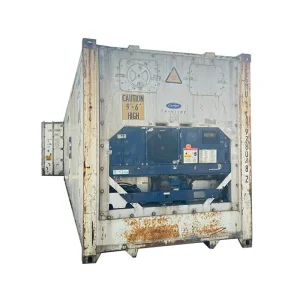
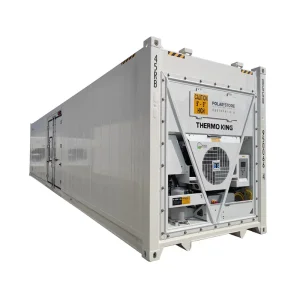
Factory-vetted, CSC-certified reefer units immediately available for Kenyan logistics hubs, agro-export aggregators, and port-side cold yards.
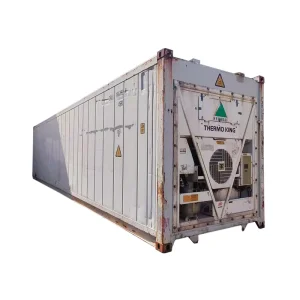
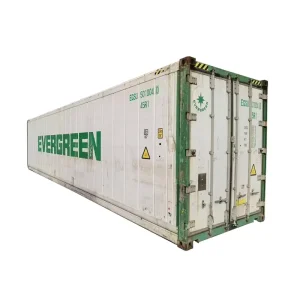
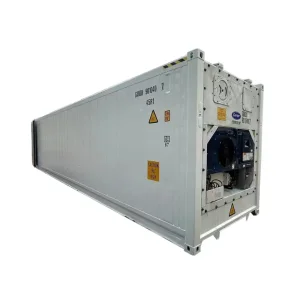
Understanding the thermodynamic, structural, and regulatory expectations across Mombasa's coastal humidity, Nairobi's dry-port freight lanes, and the agricultural corridors of the Great Rift Valley.
Kenya remains one of the world's primary exporters of cut flowers, avocados, French beans, and snow peas. Over 30% of post-harvest loss occurs due to disjointed cold bridges. Used 40ft high cube reefer containers function as rugged, decentralized pre-cooling field stations across Naivasha, Nakuru, and Mount Kenya plantations, buffering crops before final transfer to Jomo Kenyatta International Airport (JKIA) or the Port of Mombasa.
The Standard Gauge Railway (SGR) connecting Mombasa's Kilindini Harbour to the Inland Container Depot Nairobi (ICDN) at Embakasi and the Naivasha Dry Port has streamlined transshipment. However, containerized freight demands rigorous structural durability. High-cube reefers must endure multi-point heavy gantry lifting, road corrugation vibrations, and fluctuating power sources via gensets (clip-on/underslung) across variable transit altitudes.
Substation instability in regional production zones like Eldoret, Kisumu, and Machakos requires reefer units with superior thermal insulation (CFC-free polyurethane injection at 70–80mm minimum) and resilient compressors. Exporters frequently couple second-hand marine reefer units with dual-fuel back-up generator sets to prevent compressor coil burnout and thermal degradation of temperature-sensitive produce.
Our technical audits compare market leaders deployed within Kenyan maritime and overland cold networks to guide procurement decisions based on fuel economy, repair availability, and thermodynamic stability.
| Machinery Model | Thermodynamic Profile | Compressor Architecture | Fuel / Electrical Draw | Availability of Spares in Mombasa/Nairobi | Ideal Kenya Application |
|---|---|---|---|---|---|
| Carrier Transicold ThinLINE / PrimeLINE | Rapid pull-down; reliable -25°C to +25°C baseline; high resistance to ambient heat spikes. | Carrier 06D semi-hermetic cylinder or digital scroll design. | Highly optimized; low inrush current; compatible with 15kW underslung gensets. | Pervasive. Universal technician familiarity across coastal logistics parks & ICD Nairobi. | Avocado sea exports via Mombasa; long-term commercial frozen meat/fish storage. |
| Thermo King Magnum Plus | Deep sub-zero capability down to -35°C; ultra-precise micro-air control algorithms. | Scroll compressor with economizer circuit and variable speed capacity. | Ultra-low consumption during steady-state chilled maintenance modes. | Extensive. Multiple authorized depot partners across Nairobi, Naivasha, and Eldoret. | Fresh cut-flower aggregation (roses/carnations) requiring strict +2°C to +4°C stabilization. |
| Daikin LXE10E Series | Consistent airflow dispersion through specialized high-static T-Bar floor profiles. | Heavy-duty hermetic scroll compressor; minimal moving components. | Moderate consumption; exceptionally high reliability in dusty, unpaved packing yard environments. | Moderate to High. Readily sourced in coastal depots and marine engineering yards. | Regional distribution centers, pharmaceutical storage, and on-farm rapid cooling docks. |
Importing used reefer containers into the Republic of Kenya requires strict compliance with statutory oversight bodies to prevent clearing bottlenecks at Kilindini Harbour.
Every imported container must secure a Pre-Export Verification of Conformity (PVoC) Certificate issued by licensed inspection partners (SGS, Bureau Veritas, CCIC, or Intertek). We manage physical structural inspections, insulation thickness audits, floor integrity checks, and electrical system diagnostics before vessel departure from China, ensuring your Certificate of Conformity (CoC) is secured.
Under regulations enforced by the Energy and Petroleum Regulatory Authority (EPRA) and the National Environment Management Authority (NEMA), all imported reefers into Kenya must align with Montreal Protocol guidelines. Units must be charged with ozone-safe refrigerants such as R134a or R404a, with zero tolerance for phased-out CFC/HCFC gases (like R12 or R22). We certify gas purity and leak tightness before shipment.
Second-hand reefer purchases carry operational risks unless rigorously certified. Every used reefer unit supplied through our manufacturing facilities undergoes an automated 4-hour Pre-Trip Inspection (PTI) covering sensor calibrations, defrost heater integrity, compressor pressure differentials, and thermal performance logs. All units retain a valid International Convention for Safe Containers (CSC) safety approval plate.
Our specialized used and retrofitted refrigerated units deliver measurable thermodynamic value across diversified Kenyan business use-cases.
Cut roses and summer flowers require non-fluctuating storage between +2°C and +4°C with controlled relative humidity (85–95%) to prevent botrytis cinerea fungus development. High-cube 40ft reefer containers deployed right at packing houses act as rapid post-harvest cooling docks before refrigerated trucks transport the stems down the A104 highway to JKIA.
Avocado sea-freight requires continuous cold management from picking orchard to the Port of Mombasa. Used reefer containers serve as distributed packhouse consolidation units where pulp temperature is steadily dropped to +5°C to suspend ripening enzymes prior to trans-loading into ocean-going controlled atmosphere (CA) vessels heading to Europe and China.
Deep-sea fish processing along the Indian Ocean coastline and commercial poultry operations in urban centers rely on deep-freeze capabilities down to -25°C. Second-hand reefer boxes fitted with stainless steel inner linings offer sanitary, easily washable environments that comply with Kenyan Department of Veterinary Services standards without the multi-million shilling capital expenditure of brick-and-mortar facilities.
Temperature-critical pharmaceuticals stored at Nairobi's industrial parks require strict +2°C to +8°C parameters with redundant remote alarms. Modifying used reefers with secondary alert controllers, backup cooling loops, and PVC thermal curtains guarantees cold security during power changeovers between the national grid and commercial generators.
How modern technological enhancements are transforming used shipping containers into off-grid, IoT-driven cold storage assets across Africa.
Integration of computerized telemetry during container reconditioning in Tianjin facilities to spot micro-compressor leaks, bearing wear, and insulation degradation before export packaging.
Equipping used reefers with solar-backed IoT transmitters compatible with local Safaricom/Airtel networks, enabling live cloud tracking of setpoints, return-air temperatures, and door openings between Mombasa and Nairobi.
Pairing stationary reefer boxes with rooftop solar photovoltaic panels and lithium iron phosphate (LiFePO4) storage to offset high Kenyan commercial power tariffs during peak daytime hours.
Transition pathways towards R513A and CO2 (R744) refrigeration units to prepare Kenyan agribusinesses for forthcoming European Union green supply-chain requirements and carbon offset mandates.
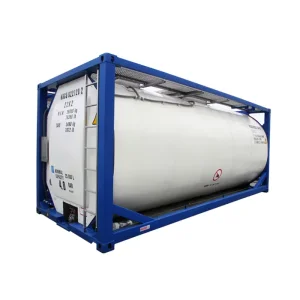
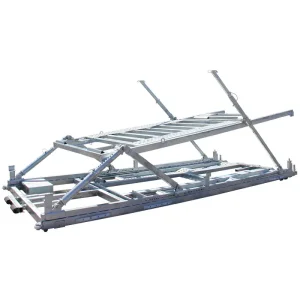
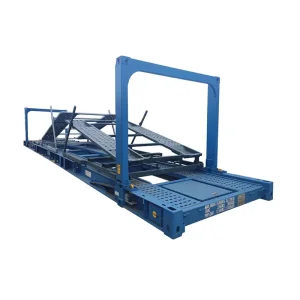
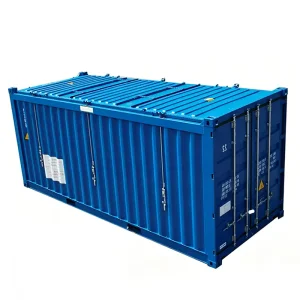
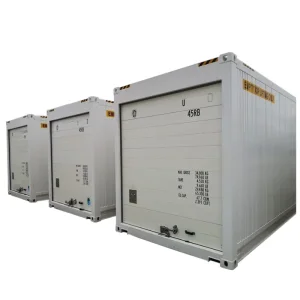
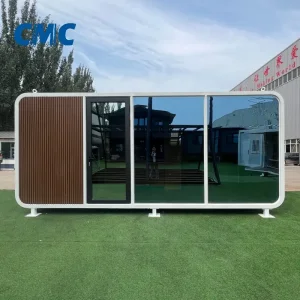
Complementing our cold chain solutions with certified ISO tanks, car racks, side-opening logistics containers, and modular building structures tailored for African trade corridors.
Comprehensive answers compiled by our mechanical engineers and international shipping specialists for East African buyers.