Engineered for high ambient heat resistance, food-grade transit, and harsh mining camp deployment across Greater Accra and the Western Region.
Why West Africa’s growing trade balance requires high-integrity passive insulated containers to overcome humid tropical microclimates and regional power volatility.
The Republic of Ghana represents one of the most vibrant economic gateways to West Africa. Anchored by the extensive modernization of the Port of Tema (featuring the Meridian Port Services MPS Terminal 3) and the expanded deepwater capacity at Takoradi Port, Ghana handles millions of metric tons of agricultural commodities, manufactured imports, and raw mining inputs annually. However, behind this surging maritime trade lies an acute logistical vulnerability: the tropical thermal envelope.
Operating within equatorial coordinates, Ghana experiences sustained ambient temperatures fluctuating between 30°C and 42°C, compounded by coastal relative humidity consistently exceeding 85% to 90%. For conventional ISO dry shipping containers, intense solar radiation turns standard Corten steel into an oven, driving interior temperatures up to a staggering 65°C within hours. This extreme heat index destroys heat-sensitive cargo, triggers cocoa butter melting, alters active pharmaceutical ingredients (APIs), and precipitates condensation "cargo sweat" that ruins packaged dry goods.
With regional grid fluctuation and the periodic occurrence of power load management (locally termed Dumsor), relying exclusively on electrically driven refrigeration units presents serious risks. Thickened passive insulated containers bridge power cuts of 48 to 72 hours with negligible interior temperature drift.
With the African Continental Free Trade Area (AfCFTA) Secretariat headquartered in Accra, cross-border transit from Tema Port to landlocked partners—such as Burkina Faso, Mali, and Niger—demands high-strength thermal containers capable of surviving rough hinterland corridors without mechanical failure.
Ghana's multi-billion-dollar cocoa derivatives, unrefined shea butter, cashews, and emerging fresh horticultural exports require controlled transit environments without the excessive capital expenditures and diesel consumption associated with continuous active reefers.
Combining 40+ years of industrial container fabrication with automated cyclopentane foaming, robotic welding, and stringent Bureau Veritas certification.
Producing heavy-duty insulated containers capable of enduring the humid maritime air of the Gulf of Guinea requires advanced industrial chemistry and automated structural tooling. Founded in 1983, our manufacturing base in Tianjin and Suzhou integrates Industry 4.0 principles to deliver tailored ODM (Original Design Manufacturing) solutions engineered specifically for African procurement budgets and operational demands.
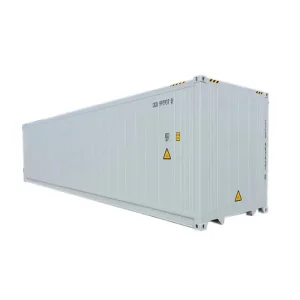
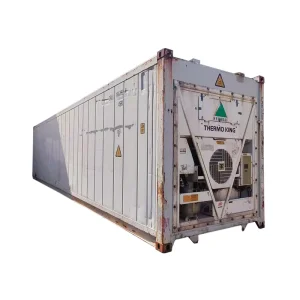
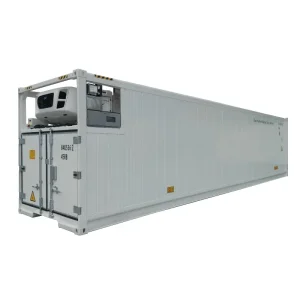
Unlike fragmented regional container modifiers who manually glue polyurethane sheets inside used steel boxes, our factory fabricates insulated containers as an integrated, monolithic sandwich structure:
| Technical Metric | CIMIC Factory 4.0 ODM Specification | Standard Market Modifiers | Engineering Benefit for Ghana Logistics |
|---|---|---|---|
| Insulation Core | High-Pressure Cyclopentane Polyurethane (PU) | Manual EPS (Styrofoam) or basic XPS | Zero ozone depletion, closed-cell ratio >95%, zero water absorption in 90% humidity. |
| Foam Density | 45 – 50 kg/m³ Automated Continuous Jig | 28 – 35 kg/m³ Manual Spray/Glued | Eliminates voids, resists vibration delamination on corrugated roads (Kumasi-Tamale route). |
| Thermal Conductivity | K-Value ≤ 0.38 W/(m²·K) (ATP Certified Grade) | K-Value ≥ 0.75 W/(m²·K) | Reduces thermal transmittance by over 50%, maintaining stable internal payload chill. |
| Outer Shell Steel | SPA-H Corten Anti-Corrosion Atmospheric Steel | Standard Carbon Steel Q235 | Self-passivating oxide layer prevents rust perforation from coastal marine sea salt spray. |
| Interior Lining | SUS 304 Food-Grade Stainless or Textured GRP | Painted Plywood or galvanized sheet | Chemical wash-down safe, bacterial-resistant, compliant with Ghana FDA food safety protocols. |
| Gasket Architecture | 4-Fin Co-Extruded EPDM with Thermal Break | 2-Fin Standard Rubber Seal | Prevents moisture ingress, condensation buildup, and thermal leakage along rear door seams. |
Situated approximately 100 km from Tianjin seaport, our primary production lines minimize inland transport costs. When delivering to African hubs like Tema or Takoradi, containers can be shipped as "One-Way Cargo Shippers Own Containers (SOC)", carrying dry export freight to offset sea freight costs completely, or stacked in certified vessel blocks via direct COSCO, Maersk, or MSC West African maritime loops.
Purpose-built thermal container architectures customized for agricultural export, pharmaceutical distribution, and mining infrastructure.
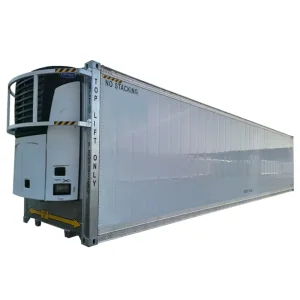
Ghana's downstream cocoa processing hubs in Tema and Takoradi generate cocoa liquor and refined butter prone to fat bloom and liquefaction above 28°C. Our 40ft High Cube insulated containers safeguard export cargo quality from inland industrial plants to container yard staging without requiring active electrical connections.
Pharmaceutical importers in Accra distributing medicines across Kumasi, Sunyani, and Tamale must comply with stringent temperature mapping. Configured with PCM (Phase Change Materials) or backup micro-refrigeration units, our insulated containers maintain the vital 15°C to 25°C threshold throughout the road network.
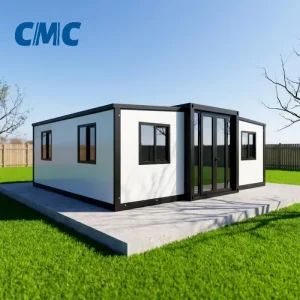
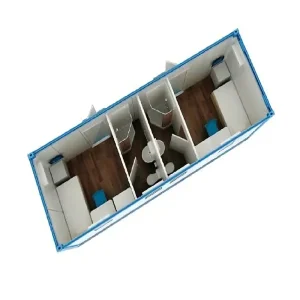
Mining operations in Tarkwa, Obuasi, and Awaso require both durable food rations cold storage and insulated modular workspaces. Our custom 20ft thermal modular living units feature high-efficiency heat-reflective coatings that slash camp air-conditioning electrical loads by upwards of 40%.
A 10-year comparative evaluation for logistics directors operating in West Africa.
Logistics managers across Ghana face punishing operational expenditures when running active refrigeration machinery on regional trunk routes. Between fuel theft, generator failures on unpaved gravel bypasses, and scarce technician support outside Accra, active reefer equipment carries elevated operating risk.
For cargo requiring temperature damping rather than sub-zero freezing—such as fresh tubers, industrial paints, dry yeast, processed edible oils, and dry confectionery—ODM Thickened Insulated Containers deliver up to an 80% reduction in lifetime operating expenditures. By investing in high-grade vacuum-sealed thermal engineering, buyers eliminate diesel genset maintenance while preserving cargo integrity.
Everything procurement officers need to know regarding shipping terms, customs certification, thermal performance, and factory customization.
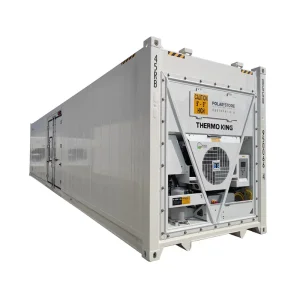
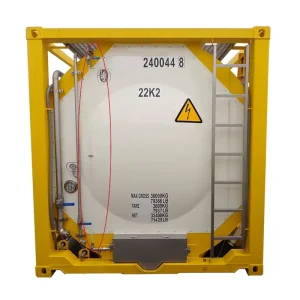
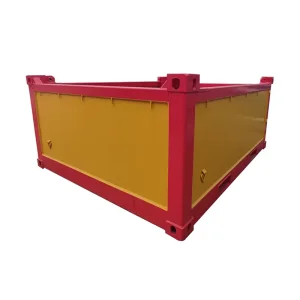
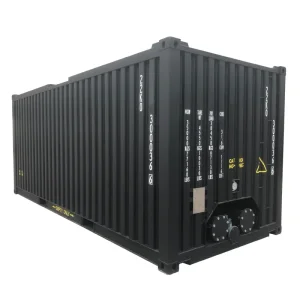
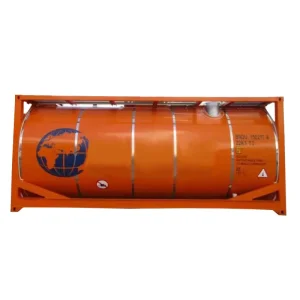
From chemical and asphalt logistics to side-opening reefers and offshore handling baskets: factory-direct pricing for Ghana and export buyers.
Connect directly with our engineering division in Tianjin. Receive full technical drawings, thermal conductivity heat-gain calculations, and formal CIF Tema or FOB China commercial quotations within 24 hours.
