Specialized multi-modal container assets engineered to meet high-volume transshipment requirements between China's manufacturing base and Incheon/Pyeongtaek maritime gateways serving the Seoul Metropolitan Area.
A technical assessment of South Korea's capital distribution nodes, high-density pharmaceutical pipelines, and critical food security corridors.
The Seoul Capital Area (encompassing Gyeonggi-do and Incheon) houses over 26 million consumers. Demands for premium maritime perishables, fresh agriculture, and imported frozen goods pass through automated mega-centers in Gwangju, Yongin, and Gimpo. Maintaining ±0.25°C precision during vessel-to-truck dwell stages is mandatory to prevent thermal decay in quick-turnaround retail fulfillment.
Positioned just outside Seoul's immediate borders, the Songdo International Business District represents one of the planet's highest-output biopharmaceutical hubs. Moving temperature-sensitive monoclonal antibodies, cell therapies, and precursors to Incheon International Airport or regional cryogenic freezers requires reefer equipment capable of continuous ultra-low thermal stability down to -70°C.
Port dwell times in Incheon New Port and Pyeongtaek-Dangjin Port can fluctuate significantly during peak export/import cycles. Intermodal assets require high thermal-mass insulation barriers (cyclopentane-blown polyurethane) and low-bleed dual refrigeration machinery to bridge extended staging without shore-power uninterruptedly.
Enterprise logistics directors balance aggressive environmental targets with rigorous equipment lifecycle mandates. Our OEM/ODM container structures provide measurable mitigations across three core operational risks.
Conventional reefer builds experience heat leakage at door gaskets, T-floor perimeter junctions, and refrigeration frame cutouts. CIMIC utilizes integrated thermal break gaskets, continuous high-density polyurethane vacuum injection, and welded stainless steel inner wall joints (SUS 304 food-grade) to eradicate internal condensation and preserve insulation integrity over 15+ year operational lifespans.
Single-source machinery contracts often limit global fleet flexibility. Our engineering lines deploy modular interfaces capable of seamlessly hosting Carrier PrimeLINE, Thermo King Magnum Plus, Daikin LXE, or Starcool architectures. Buyers can standardize their fleet control software, leverage existing local maintenance alliances in Incheon and Busan, and guarantee access to original replacement components.
Transit corridors between Chinese coastal ports, cross-border rail connections, and destination haulage into northern South Korea expose container frames to multi-axial vibrational stress. Every chassis built in our Tianjin base features high-tensile Corten-A steel corner posts, automated robotic seam welding, and verified ISO 1496-2 racking load compliance beyond 30,480 kg maximum gross weight ratings.
A systematic development trajectory incorporating low-GWP refrigerants, IoT telematics arrays, and structural weight reductions.
Full-line structural compatibility with R-513A and non-flammable CO2 (R-744) high-pressure cooling loops, eliminating future regulatory bans across Northeast Asia and European trade lanes.
Factory-integrated sensor arrays for live GPS location, real-time core temperature monitoring, ambient humidity tracing, automated trip logging, and door opening detection for zero-touch cargo tracking.
Custom O2 (down to 1%) and CO2 scrubbing management modules deployed inside 40ft High-Cube boxes, prolonging produce shelf life across complex multimodal sea-and-rail supply chains.
Deploying vacuum-insulated core panels (VIP) paired with composite carbonized structural corners to decrease tare weight by 14%, increasing payload margins without losing thermal performance.
Ensuring complete certification adherence with South Korean and international maritime authorities from our production line to port discharge.
Every newly constructed reefer and intermodal unit holds valid International Convention for Safe Containers (CSC) approval plates and Bureau Veritas (BV) or Lloyd's Register certification. Custom offshore builds comply with strict DNV 2.7-1 / EN 12079 dynamic lifting standards for severe marine deployment.
Operating our core container manufacturing plants in Tianjin and Suzhou, located approximately 100 km from major sea terminals, allows rapid container mobilization. Units bound for Seoul can be dispatched onto high-frequency feeder vessels directly to Incheon, Gyeonggi Pyeongtaek, or Busan within tight logistics turnarounds.
Prior to export release, our technicians execute full PTI cycles across electrical, mechanical, and refrigeration stages. We verify thermal pulldown speeds, calibrate precision sensor thresholds, ensure airtight door seals, and confirm software diagnostics with full video and photographic records supplied to the buyer.
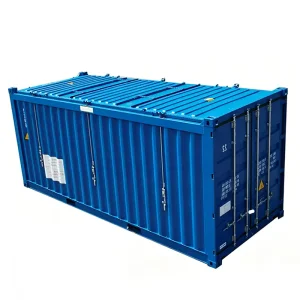
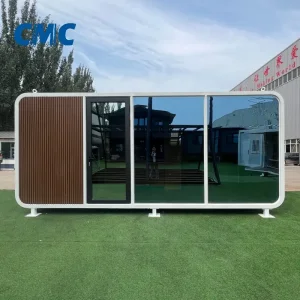
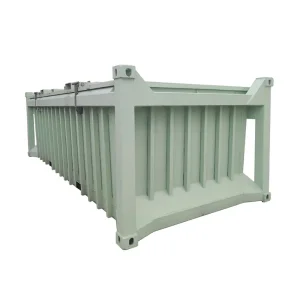
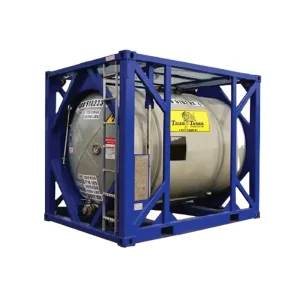
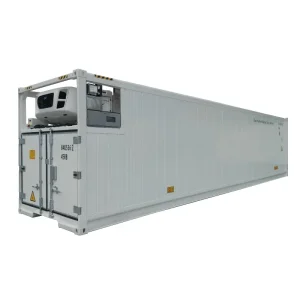
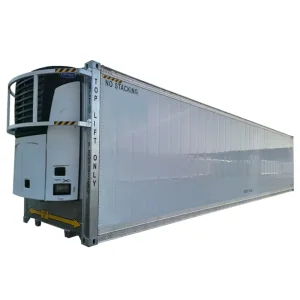
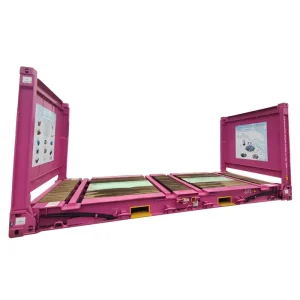
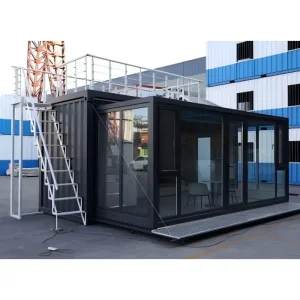
Complete product range supporting multimodal cold chain, offshore bulk transport, chemical transfers, and modular on-site cold storage operations.
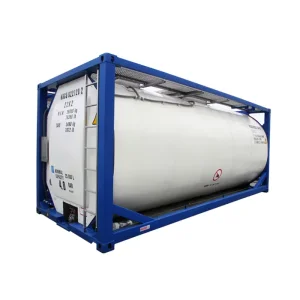
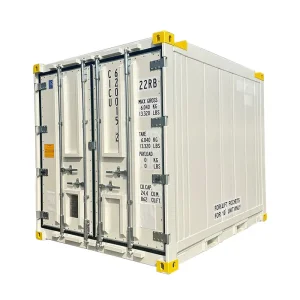
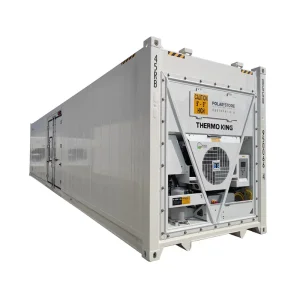
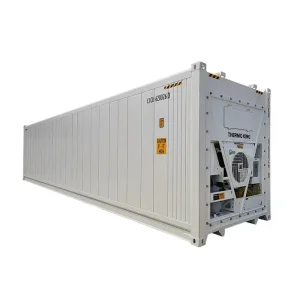
Seeking technical specifications, custom OEM/ODM drawing packages, or container supply timelines for Seoul, Incheon, or international routes? Receive an engineering-validated proposal within 24 hours.
Send Inquiry NowDirect answers from container manufacturing engineers addressing regulatory verification, customization parameters, and supply chain logistics.
All CIMIC reefer containers destined for South Korean ports carry a valid CSC (Convention for Safe Containers) safety approval plate and class certifications issued by Bureau Veritas (BV), Lloyd's Register, or CCS. Our insulation materials meet international fire safety and environmental ratings, while electrical wiring complies with 380V/440V 3-phase standards common in global marine handling.
Depending on the refrigeration machinery configured (Carrier, Thermo King, Daikin, or Starcool), standard units operate from -30°C to +30°C. For deep-frozen seafood or biopharmaceutical cargo (such as active ingredients processed near Songdo), our engineers install specialized ultra-low temperature machinery achieving consistent -60°C to -70°C conditions.
Standard ISO reefer configurations from active line runs require approximately 3 to 4 weeks for production and pre-trip inspection (PTI). Tailored modifications—such as side-opening doors, custom interior meat hooks, or dual-temperature partitioning—typically range from 5 to 7 weeks. Sea transit from Tianjin to Incheon Port averages 2 to 3 days under regular sailing schedules.
Yes. Many global forwarders and logistics firms opt for Shipper Owned Containers (SOC) to avoid demurrage penalties at destination ports in South Korea. We coordinate one-way cargo loading from our Chinese factory gateways or supply pristine units ready for rapid intermodal deployment.
