Procure ISO, DNV, and BV-certified container stock built for extreme gulf maritime environments, intermodal rail lines, and cold storage holding yards.
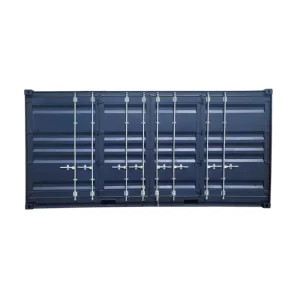
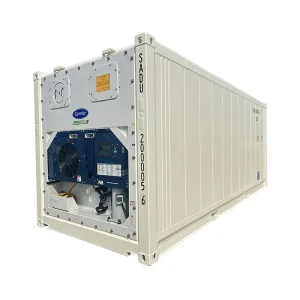
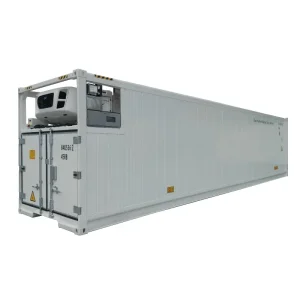
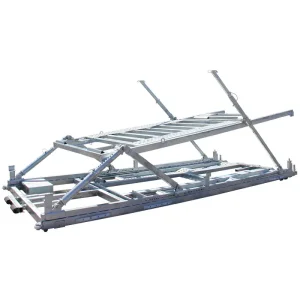
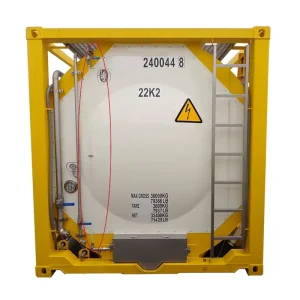
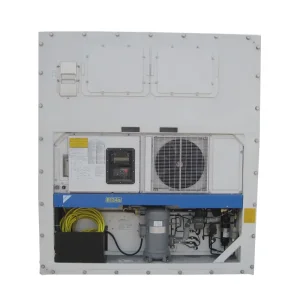
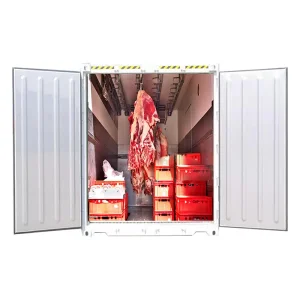
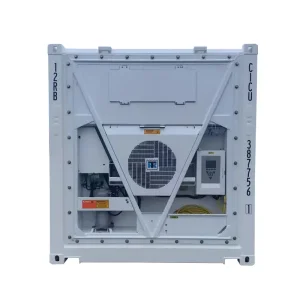
Positioned at the nexus of the Far East, the Indian Subcontinent, Africa, and Europe, Dubai’s Jebel Ali Port and Al Maktoum International Airport (DWC) create an aggressive operating theater for heavy intermodal freight containers.
Middle East supply chains confront direct solar thermal radiation exceeding 1,150 W/m² and ambient temperature extremes surpassing 50°C. Standard commercial containers experience severe structural roof deflections and catastrophic refrigeration compressor tripping under these conditions. Our custom Dubai export containers leverage high-density polyurethane foam injected at 42 kg/m³ and ceramic reflective heat-barrier coatings that mitigate interior radiant heat flux by up to 34%.
With the GCC rail interconnection linking the UAE, Saudi Arabia, and Oman, container solutions must endure torsional stresses from high-speed railway intermodal switching combined with coastal gantry operations. Corten-A weathering steel construction delivers high tensile yield strength (500 MPa), ensuring that corner posts, side rails, and sill plates withstand cumulative fatigue across triple-stack port movements.
Dubai’s role as the regional pharmaceutical and cold-chain transshipment center necessitates strict adherence to Good Distribution Practice (GDP) and certified Halal logistics hygiene standards. Our refrigerated units utilize food-grade 304/316 stainless steel interior linings, continuous deep-welded aluminum T-flooring, and antimicrobial microbicidal silicone sealants to eliminate cross-contamination risks across prolonged dwell cycles.
Founded in 1983 and operating high-throughput manufacturing plants in Tianjin and Suzhou, CIMIC Group consolidates four decades of structural container metallurgy. Our manufacturing methodology combines fully integrated Industry 4.0 fabrication architectures with direct deep-water port access, fundamentally eliminating the transit volatility that challenges conventional exporters.
By automating submerged arc seam welding and utilizing 6-axis robotic arms for shot blasting and zinc-rich epoxy priming, structural integrity tolerances are held to less than ±1.0 mm across a 40ft diagonal span. Furthermore, our strategic proximity (~100 km from Tianjin seaport) ensures swift drayage, low inland transport overheads, and pre-cleared customs documentation that optimizes rapid sea routes to Jebel Ali (DXB) within 18–22 sailing days.
| Engineering Parameter | CIMIC Automated Standard | Conventional Benchmark |
|---|---|---|
| Steel Metallurgy | SPA-H / Corten-A Weathering Alloy | Standard Q235 Mild Steel |
| Welding Precision | Robotic Multi-Pass Submerged Arc (±0.5mm) | Manual Shielded Metal Arc (±3.0mm) |
| Paint & Corrosion Protection | 5-Stage Shot Blast SA 2.5 + 200μm Zinc Epoxies | Manual Spray 120μm Single Coat |
| Corner Post Load Rating | Exceeds ISO 1496/1 by 15% (86,400 kg stack) | Bare Baseline Minimum (72,000 kg) |
| Factory Port Proximity | <100 km to Port of Tianjin / Taicang | 350–600 km Inland Haulage Transfer |
How next-generation materials science, integrated IoT sensor arrays, and low-GWP refrigerants are redefining container resilience for Arabian Gulf operations.
Modern global supply chain visibility requires instantaneous data fidelity. CIMIC container platforms integrate dual Iridium satellite and cellular 5G communication hubs with localized wireless BLE internal sensor tags. Fleet managers in Dubai track core temperature sets, internal relative humidity, oxygen/CO2 levels, door activations, and tri-axial g-force shocks in real time across the Indian Ocean and Arabian Gulf transits.
Aligned with the UAE Net Zero 2050 strategic initiative, our reefer fleet development plan systematically transitions cooling systems away from legacy high-GWP HFCs (such as R-134a and R-404A) toward ultra-low GWP chemical alternatives, specifically R-452A and natural transcritical CO2 (R-744). These advanced thermodynamic systems lower direct greenhouse emissions by 65% while maintaining uncompromised pull-down capability in ambient conditions up to 55°C.
To combat elevated auxiliary fuel costs on diesel gensets during long desert hauls between Jebel Ali, Riyadh, and Dammam, CIMIC introduces flush-mounted, ultra-thin monocrystalline photovoltaic arrays. Delivering up to 1.8 kW of solar generation directly into the reefer’s auxiliary DC bus, these solar units sustain microcontrollers, data loggers, and fans, mitigating engine idle hours and saving up to 850 liters of diesel per container annually.
Analyzing lifecycle economics, asset residual value, and thermal efficiency trade-offs between factory-direct procurement and regional leasing markets.
Procuring factory-new equipment directly from Chinese manufacturers yields a 28–38% financial advantage over long-term leasing contracts through Dubai-based financial intermediaries over a 5-year operational lifecycle. Direct ownership guarantees full control over CSC safety plate renewals, customized tare weight engineering, and interior refrigeration configurations tailored precisely to sensitive cargo specs.
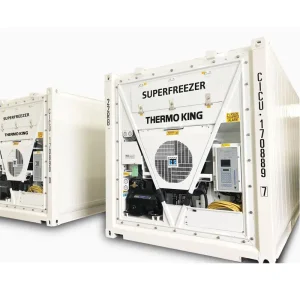
For regional holding depots and stationary cold storage projects within Dubai South or Sharjah Industrial areas, our certified 90% new Carrier and Thermo King units deliver substantial cost-efficiency. Every second-hand reefer unit undergoes an intensive 72-point PTI (Pre-Trip Inspection), compressor oil analysis, and vacuum leak-testing before export loading at China ports.
Sourcing containers equipped with mainstream global cooling machinery (Carrier Transicold, Daikin, Thermo King) eliminates critical regional downtime. Replacement controllers, micro-channel condensers, and scroll compressors remain immediately available across Dubai maritime hubs, ensuring rapid turnarounds without costly factory import delays.
Rigorous qualification architectures ensuring unconditional acceptance by port authorities, customs bodies, and offshore maritime registers worldwide.
Essential for Arabian Gulf upstream oil and gas operations off Abu Dhabi, Qatar, and Saudi Arabia. CIMIC offshore containers and half-height ore bins feature heavy-gauge pad eyes, full non-destructive testing (NDT/MPI) of dynamic welds, and high-tensile four-part sling sets rated for extreme offshore dynamic lifting at open sea.
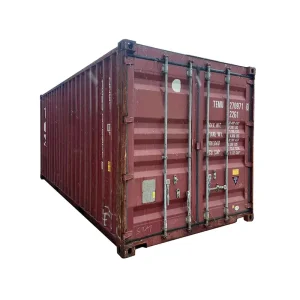
Every batch of intermodal dry cargo and reefer shipping equipment is built under the oversight of Bureau Veritas surveyors. Mill test certificates (MTC) verify Corten chemistry, proof loads, floor shear resistance, and watertightness under high-pressure water spray tests at 100 kPa per ISO 1496/1 protocols.
Delivered with complete documentation and stainless steel CSC (International Convention for Safe Containers) safety approval plates stamped for high permissible gross mass (up to 34,000 kg for high-cube reefers). Enables immediate deployment into major ocean carrier line vessels and rail corridors without customs delays.
Definitive technical answers covering lead times, thermal efficiency, offshore certifications, and custom fabrication.
Explore additional certified containers engineered for rapid delivery to Dubai contractors, GCC logistics operators, and global maritime networks.
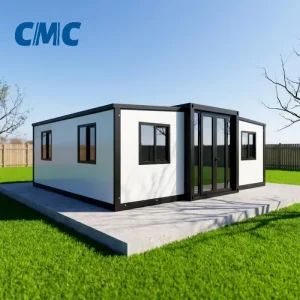
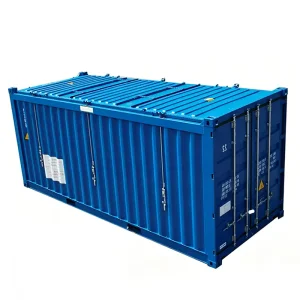

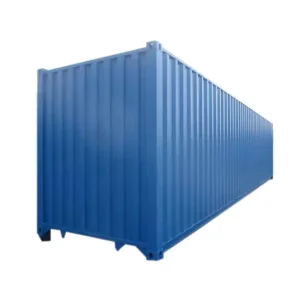
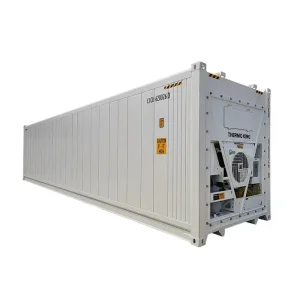
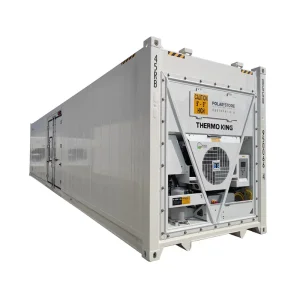
Whether you require an individual batch of DNV offshore half-height bins for drilling operations off Abu Dhabi or a fleet of 100+ custom-painted 40ft High Cube reefers for transshipment across Jebel Ali, CIMIC's engineering division delivers tailored B2B quotations, thermodynamic calculations, and CSC certified design drawings within 24 business hours.
Coordinate port release schedules, request customized CAD architectural designs, or arrange on-site class inspections directly with our export engineering desk.
