
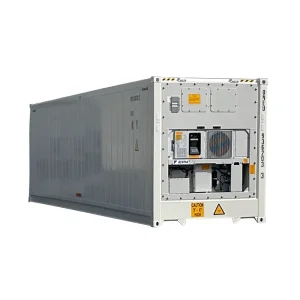
Directly browse factory-certified refrigerated, structural dry cargo, hazardous liquid tanks, and specialized transport racks engineered for high-throughput global supply chains.
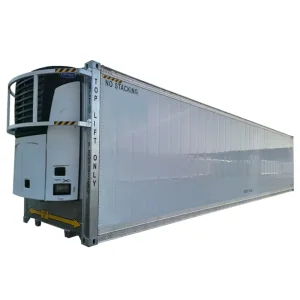
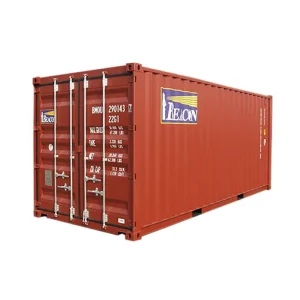
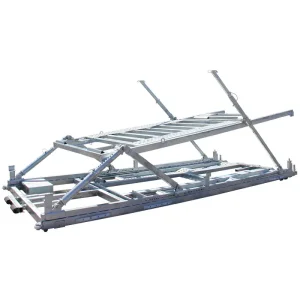
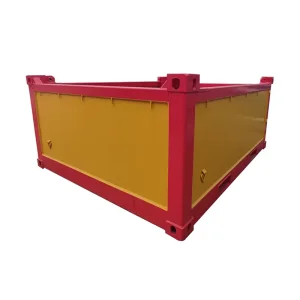
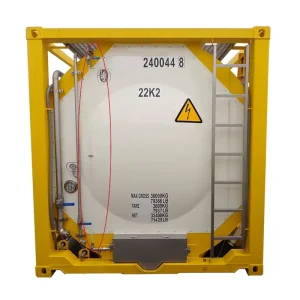
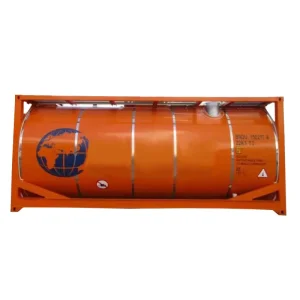
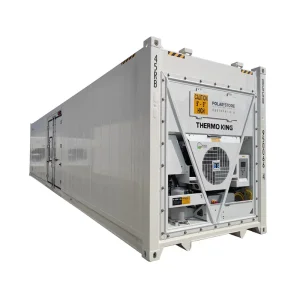
Over 90% of global intermodal equipment originates in China. Sourcing factory-direct provides distinct metallurgical control, integrated port logistics, and economies of scale unmatched by overseas fabricators.
Direct access to domestic high-grade SPA-H atmospheric corrosion-resistant steel allows Chinese factories to form unyielding corrugated body panels. This structural integrity ensures minimal deformation under extreme 9-high laden stacking loads at container terminals.
Factory production lines feature multi-axis robotic arc-welding rigs that deposit continuous, defect-free seal welds on all corner castings, side posts, and underfloor crossmembers, guaranteeing absolute water-tightness and extreme torsional rigidity.
Located within Tianjin, Qingdao, Shanghai, and Ningbo industrial economic zones, production hubs are under 100 km from major deep-water berths, eliminating domestic transit overheads and slashing export lead times for volume vessel departures.
Every batch undergoes rigorous destructive, floor load (7,260 kg test axle), and dynamic racking trials certified by Bureau Veritas (BV), ABS, or DNV, ensuring mandatory CSC safety approval plates are issued before equipment leaves the yard.
Modern supply chains demand intelligence, passive thermal stability, and low-emission coatings. Discover how next-generation containers enhance operational margins and sustainability.
Factory-fitted smart sensors monitor real-time internal humidity, GPS location, impact shocks, and reefer compressor vitals. Remote diagnostic protocols relay alerts directly to fleet managers via global satellite and cellular networks.
Transitioning from solvent-heavy paints, modern manufacturing applies multi-tier waterborne epoxy zinc-rich primer and polyurethane topcoats, cutting VOC output by 85% while delivering 15-year resistance against oceanic salt-fog degradation.
In reefer and insulated builds, high-density cyclopentane-blown polyurethane foam core is fortified with vacuum core panels, boosting thermal resistance (R-value) while slimming sidewalls to liberate usable internal cargo volume.
How industrial enterprises harness standardized and tailored intermodal assets to optimize supply velocity across complex international transport networks.
Containers optimized for the China-Europe Railway Express endure extreme temperature shifts (-40°C to +45°C). Specialized structural designs withstand intense buffer shocks during gauge changes at border interchanges without structural fatigue.
Offshore basket and tool containers built for open-sea crane transfers feature pad eyes engineered for certified sling sets, heavy-duty crash frames, and zinc-rich marine metallizing designed to withstand dynamic wave slams.
Dedicated vehicle transport racks and open-side containers double shipping efficiency for vehicle manufacturers, permitting multi-tiered internal car stowing that drastically cuts container space requirements per vehicle.
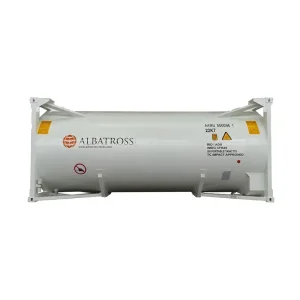
UN Portable ISO Tank containers built with 316L stainless steel, steam heating baffles, and external insulation eliminate dynamic liquid slosh risks, ensuring bulk transport of alcohols, acids, or oils meets IMDG code requirements.
How global buyers repurpose, modify, and deploy container units for rapid infrastructure, on-site cold storage, and emergency modular facilities.
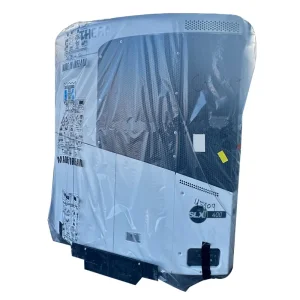
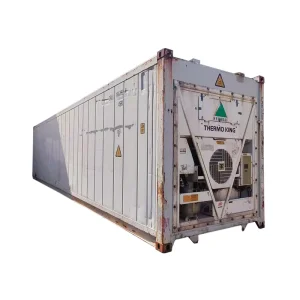
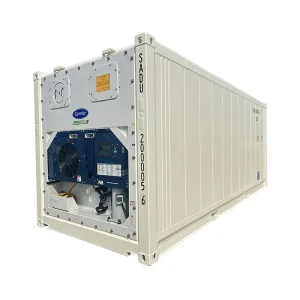
40ft High Cube reefer units deployed on docklands or farms serve as immediate walk-in chillers. Daikin or Carrier machines maintain accurate setpoints (-30°C to +30°C) without the multi-month permits required for brick-and-mortar cold warehouses.
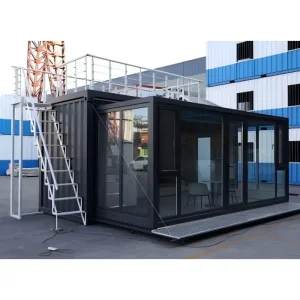
Expandable and foldable 20ft container houses ship flat-packed or pre-assembled. Equipped with integrated electrical conduits and built-in bathrooms, they serve as camp quarters for mining and infrastructure projects.
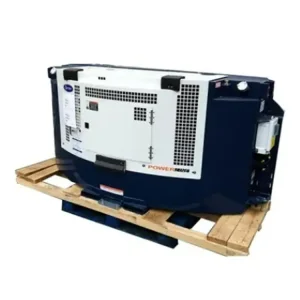
Reinforced container enclosures house industrial diesel generators and utility-scale Battery Energy Storage Systems (BESS). Specialized side venting and fire-suppression conduits protect operations in harsh field conditions.
Procurement managers must audit technical and commercial factors before ordering high-cube reefers, specialized dry vans, or custom OEM fleets.
Low purchase price can be offset by high heat-loss, failing floor seals, or repainting costs. High-spec paint systems, stainless reefer interiors, and certified bamboo or hardwood flooring prevent operational failures over a 15-year lifecycle.
Verify the factory's structural engineering team can provide finite element analysis (FEA) reports for custom side doors, internal cargo tracks, heavy roll-up shutters, or specialized lifting gear before cutting steel.
To sidestep empty repositioning costs, smart buyers coordinate "One-Way Use" shipments from Chinese ports. Containers travel laden with commercial freight to destination terminals, effectively securing free repositioning for buyers.
Examine our specialized equipment lines: gas tank containers, mobile reefer generators, double-door utility units, and modular housing modules built to export standards.
Engineering, compliance, and logistical clarifications for global fleet directors and container procurement specialists.
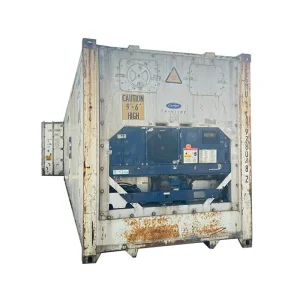
An active reefer container incorporates an electrically driven compressor refrigeration machinery package (such as Daikin, Carrier, or Thermo King) that actively extracts heat to pull temperatures down as low as -30°C or up to +30°C, requiring a continuous 380V/440V 3-phase power supply. Conversely, a passive insulated container possesses thick foam insulation (polyurethane or rockwool) without an active refrigeration circuit; it preserves cargo temperature passively over short transit routes and requires no external power source.
International container movements require adherence to the International Convention for Safe Containers (CSC). Units must hold a valid CSC Safety Approval Plate issued following type-approval testing witnessed by international classification societies like Bureau Veritas (BV), ABS, or DNV. For specialized offshore maritime lifting, containers must satisfy DNV 2.7-1 / EN 12079 structural strength, dynamic impact, and pad-eye NDT testing.
Purchasing a Shipper-Owned Container (SOC) frees shippers from exorbitant shipping-line container demurrage and detention charges when cargo is held for extended customs clearance, remote inland mining, or on-site storage. In contrast, Carrier-Owned Containers (COC) impose rigid turn-in schedules with steep daily fees once standard free-time expires at destination container yards.
Industrial facilities situated within 100 km of mega-ports (such as Tianjin, Qingdao, or Shanghai) minimize empty repositioning and local drayage fees. Coastal proximity allows direct delivery of completed containers into terminal gates, enabling instant loading onto scheduled ocean liners as one-way cargo boxes without extra inland transit overheads.
Used reefers undergo an exhaustive Pre-Trip Inspection (PTI). Key checks evaluate compressor compression ratios, coil fin conditions, microprocessor software revision, refrigerant charge balance, vacuum leak tests, and structural integrity checks of T-bar aluminum flooring, door gasket seals, and polyurethane core panels to avoid thermal bridging.
Yes. Factory engineering teams model custom modifications using 3D CAD/FEA simulations to safeguard structural integrity. Full-length side-opening doors, roll-up shutters, explosion-proof electrical installations, partition bulkheads, and interior racking are integrated on the primary production line, ensuring customized units retain CSC structural safety compliance.