
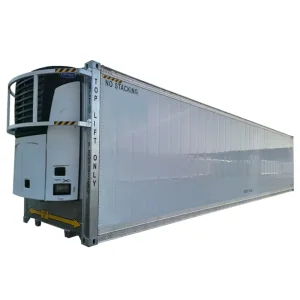
Direct factory availability, OEM/ODM container builds, and active inventory available for fast dispatch from major deepwater export docks.
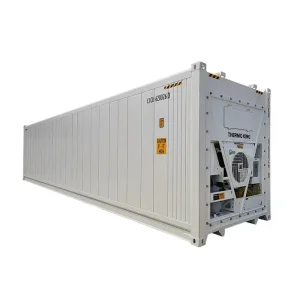
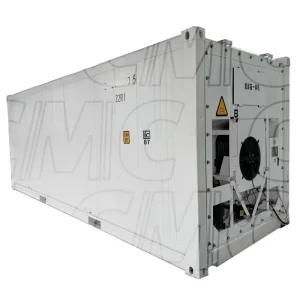
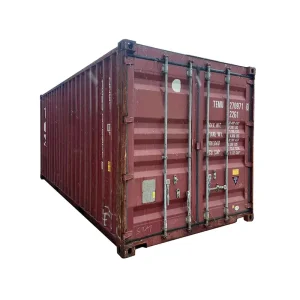
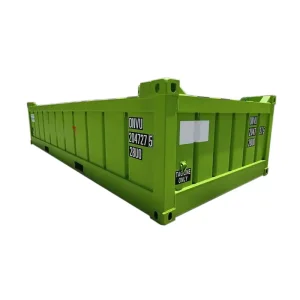
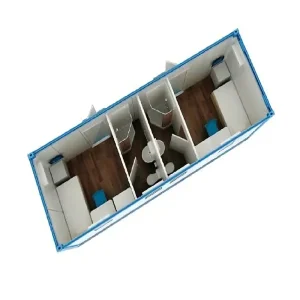
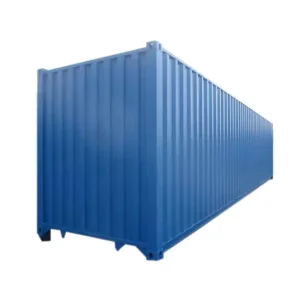
Navigating large-scale fleet acquisition, Total Cost of Ownership (TCO), and standardized intermodal deployment across maritime, rail, and landside corridors.
In modern industrial logistics, the decision to buy general purpose containers—commonly known in global shipping vernacular as Dry Vans (DV) or ISO Standard Freight Containers—transcends simple unit price comparison. Multinational freight forwarders, container leasing concessionaires (box lessors), energy conglomerates, and EPC infrastructure contractors approach container procurement as a multi-decade capital asset investment. Standardized under ISO 668 and ISO 1496-1, general-purpose containers serve as the structural backbone of 90% of non-bulk global cargo movement.
Enterprise procurement workflows must integrate strict parameters governing structural payload limits, dynamic stress distribution, steel grade metallurgy, anti-corrosion barrier coatings, and maritime safety certifications. Whether deploying 20-foot standard units (1CC) for high-density heavy mineral cargo, 40-foot standard units (1AA) for general manufacturing goods, or 40-foot High-Cube (1AAA) boxes for volumetric e-commerce transit, procurement managers must evaluate the direct trade-off between upfront CAPEX and long-term OPEX.
Analyzing floor plank delamination risks, corner casting fatigue thresholds, repair turnaround frequency, and marine environmental wear. Premium zinc-rich primer and 28mm multi-ply apitong/bamboo flooring significantly decrease lifecycle maintenance expense by up to 34% over a 15-year marine cycle.
Global ocean lines enforce severe 9-high container stacking rules under heavy swell pitch and roll (1.8g acceleration). Ensuring corner post compressive strength exceeds 86,400 kgf is essential to eliminate catastrophic racking collapses during transpacific or North Atlantic winter voyages.
Enterprise procurement involves forward-contract volume purchasing directly from ISO-certified factory complexes in northern China (Tianjin port perimeter). Direct integration avoids brokerage markups and secures batch-tested production runs with third-party classification societies (BV, ABS, Lloyd's, DNV).
Cross-functional application matrix connecting maritime fleets, rail freight trunk corridors, modular industrial conversions, and disaster resilience reserves.
While the designation "General Purpose" highlights standard dry freight transport, real-world deployment across global industry sectors requires purpose-engineered adaptations. From high-frequency double-stack railway corridors (such as the China-Europe Railway Express and North American Class I rail systems) to offshore modular power substations, the modern dry container acts as a universal engineering envelope.
Engineered to resist harsh open-ocean marine spray, cross-tier racking forces, and extreme vertical point loading under automated port spreaders and gantry systems.
Enhanced side-wall wave geometry and reinforced sill assemblies designed to endure longitudinal dynamic shock impacts up to 2G during rail shunting and hump yard movements.
Precision square dimensional geometry provides certified high-capacity load-bearing frameworks for workforce camp accommodations, remote offices, and pop-up retail structures.
Serving as custom battery energy storage systems (BESS), water treatment plants, mobile data centers, and standby generator housings with customized fire suppression cuts.
Comprehensive engineering comparison of the core standard ISO container configurations manufactured at our Tianjin and coastal facilities:
| Dimensional Specification | 20ft Standard Dry (20GP) | 40ft Standard Dry (40GP) | 40ft High Cube Dry (40HC) | 45ft High Cube Pallet Wide |
|---|---|---|---|---|
| External Length / Width / Height | 6,058 × 2,438 × 2,591 mm | 12,192 × 2,438 × 2,591 mm | 12,192 × 2,438 × 2,896 mm | 13,716 × 2,500 × 2,896 mm |
| Internal Dimensions (L × W × H) | 5,898 × 2,352 × 2,393 mm | 12,032 × 2,352 × 2,393 mm | 12,032 × 2,352 × 2,698 mm | 13,556 × 2,426 × 2,698 mm |
| Door Opening (Width × Height) | 2,340 × 2,280 mm | 2,340 × 2,280 mm | 2,340 × 2,585 mm | 2,416 × 2,585 mm |
| Cubic Capacity | 33.2 m³ (1,172 cu.ft) | 67.7 m³ (2,390 cu.ft) | 76.4 m³ (2,698 cu.ft) | 88.7 m³ (3,132 cu.ft) |
| Tare Weight (Typical ±2%) | 2,230 kg (4,916 lbs) | 3,740 kg (8,245 lbs) | 3,900 kg (8,598 lbs) | 4,380 kg (9,656 lbs) |
| Maximum Payload | 28,250 kg (62,280 lbs) | 26,740 kg (58,950 lbs) | 26,580 kg (58,600 lbs) | 26,100 kg (57,540 lbs) |
| Euro Pallet Capacity (1200×800) | 11 units | 25 units | 25 units | 33 units (Pallet-Wide) |
| Standard Floor System | 28mm Hardwood Marine Plywood | 28mm Laminated Apitong / Birch | 28mm Eco Bamboo Composite | 28mm High-Density Bamboo Composite |
Pioneering advancements in low-emission steel, automated robotic welding, edge IoT telemetry, and eco-friendly structural composites.
Collaborating with tier-1 metallurgical mills to transition production lines toward Electric Arc Furnace (EAF) steel melted with green hydrogen, curbing Scope 3 embodied emissions by 62% per manufactured TEU without compromising Corten yield strength.
Factory-integrated low-profile satellite/cellular IoT transceiver nodes embedded directly within structural corner header castings. Real-time condition logging includes G-force door-breach monitoring, internal relative humidity indexing, and geospatial geofencing.
Replacing solvent-heavy paints with advanced waterborne two-coat epoxy-zinc and polyurethane topcoat formulations. Drastically lowers volatile organic compounds (VOC) while achieving high ASTM B117 salt spray ratings exceeding 1,200 continuous hours.
Market realities governing container manufacturing output, fleet repositioning costs, and trade-lane equilibrium shifts.
The global dry freight container market continues to balance post-pandemic supply chain adjustments against regional equipment imbalances. Over 95% of worldwide general-purpose container fabrication remains concentrated in China, supported by deeply integrated industrial clusters in the Bohai Bay Rim (Tianjin), Yangtze River Delta, and Pearl River Delta regions. This clustering provides direct metallurgical access to high-tensile hot-rolled steel strip, automated cold roll-forming lines, and international maritime surveying stations.
Key trade lanes connecting East Asia to North America, Northern Europe, and West Africa face asymmetric container trade flows. While head-haul routes run at 95%+ volumetric saturation with dry consumer packaged goods, back-haul legs frequently return empty or reposition with dense scrap, paper pulp, and agricultural feed. Understanding these trade dynamics allows corporate buyers to structure equipment purchasing strategically—either acquiring factory-fresh one-trip containers delivered loaded to destination ports or arranging direct ex-works (FCA/FOB) pickup at production facilities in China.
Ocean shipping lines cycle out approximately 6% to 8% of dry box inventory annually. Containers exiting frontline international CSC service transition into domestic self-storage yards, construction site secure storage, and agricultural storage hubs worldwide.
Hot-rolled Corten coil (SPA-H) accounts for roughly 55% of the total manufacturing cost of a general-purpose box. Our strategic supply agreements with certified mills enable competitive volume pricing locks for bulk institutional buyers.
Positioned just 100 km from the core deepwater terminals of Tianjin Port, our assembly and storage facilities provide rapid loading schedules, minimizing inland drayage costs and avoiding terminal staging bottlenecks.
Ensuring cross-border maritime clearance, structural safety plates, customs compliance, and dedicated engineering oversight.
Purchasing containers for cross-border operations demands strict compliance with global maritime and land transport safety conventions. Units dispatched without legitimate certifications face seizure, refusal of loading by vessel operators, or costly administrative delays at receiving customs ports.
Every newly manufactured general purpose container carries a stainless steel Convention for Safe Containers (CSC) plate approved by classification authorities such as Bureau Veritas (BV), ABS, or DNV, verifying compliance with transverse racking, end-wall, and floor payload tests.
Fully compliant with the Customs Convention on the International Transport of Goods Under Cover of TIR Carnets. High-security door-locking gear, cam retainers, and tamper-evident locking points meet ISO 17712 specifications for border crossings.
Hardwood and bamboo flooring components undergo rigorous treatment adhering to Australian Department of Agriculture, Fisheries and Forestry (DAFF / AQIS) standards, certified with durable stainless steel timber treatment plates.
Clear, practical answers compiled by our engineering and export documentation teams to support container buyers.
For standard ISO dry vans, standard production runs typically yield 50 to 200 TEU within 15 to 25 business days from drawing approval. Immediate off-the-shelf inventory (new one-trip units or inspected second-hand units) can be made available for port gate pickup within 48 to 72 hours in Tianjin and Shanghai hubs.
SPA-H atmospheric corrosion-resistant steel contains specialized alloying elements (copper, chromium, and nickel). When exposed to marine atmospheric environments, it develops a self-regenerating oxide patina layer that slows oxygen ingress and inhibits rust progression, outperforming generic structural carbon steel (Q235/SS400) by over four times.
"One-Trip" units are built fresh in China, loaded once with non-hazardous cargo to cover positioning freight to destination ports, and arrive in near-mint factory condition without structural dents or interior blemishes. "Cargo Worthy" containers are retired commercial fleet units (usually 10-14 years old) that show cosmetic scratches and minor surface oxidation but remain structurally sound, weathertight, and certified to carry international cargo.
Yes. Our engineering facility provides customized configurations including full side-opening doors, roller shutter panels, extra access man-doors, ventilation louvers, high-cube extensions, heavy-duty floor lashing tracks, and customized corporate exterior polyurethane liveries.
When you purchase your own boxes from us, they operate under Shipper Owned Container (SOC) terms. This eliminates carrier demurrage and detention fees at destination ports. We support direct loading of your export products (one-way positioning) or arrange sea transport as empty repositioned boxes.
Each production batch includes a comprehensive documentation pack: Bureau Veritas (BV) or DNV Inspection Certificate, Mill Test Reports (MTR) verifying SPA-H steel heat numbers, Dry Film Thickness (DFT) paint reports, Timber Treatment Certificates, and verified tare weight records.
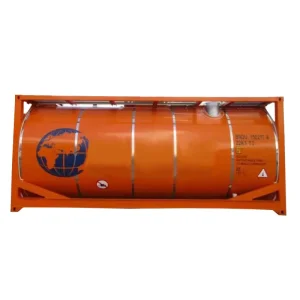
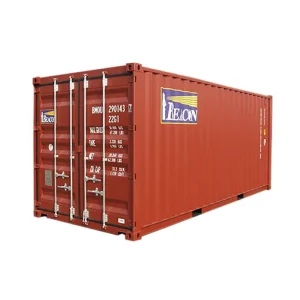
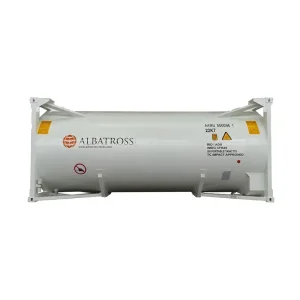
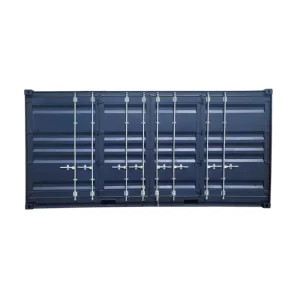
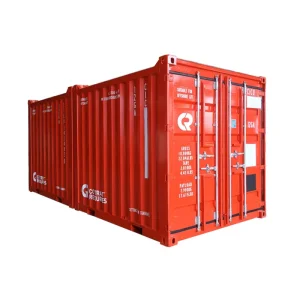
Expanded options including ISO liquid tanks, specialized side-door dry units, open-top models, and nested mini storage containers.
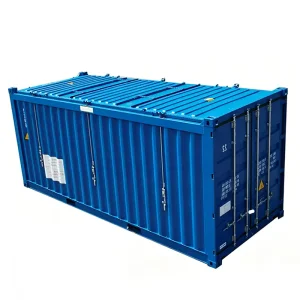
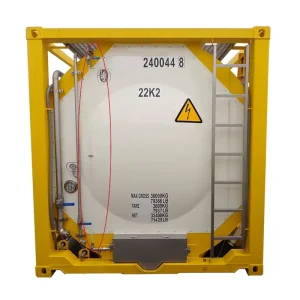
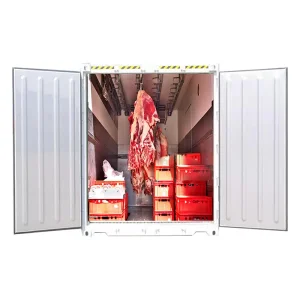
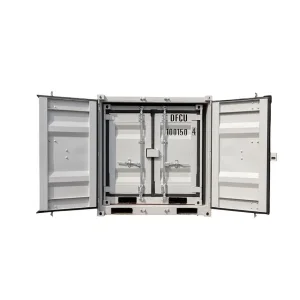
Connect directly with our engineering and procurement team for verified unit drawings, volume pricing tiers, and immediate factory delivery dates from our Tianjin hub.