
Procure BV-certified, CSC-compliant refrigerated containers, insulated modules, and specialized maritime hardware engineered for extreme climatic ranges and active temperature reliability.
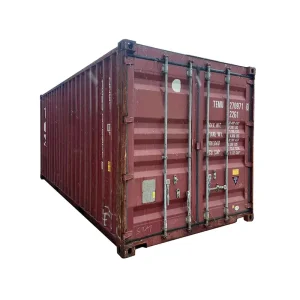
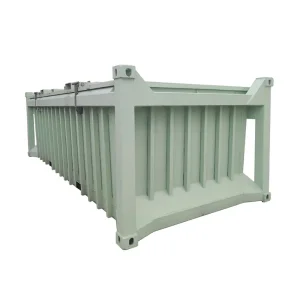
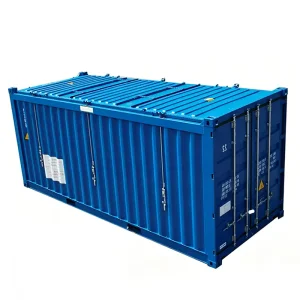
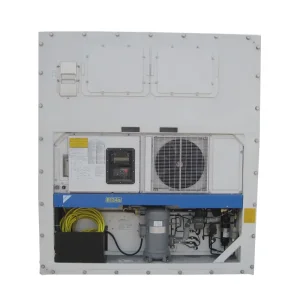
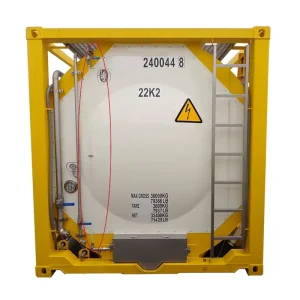
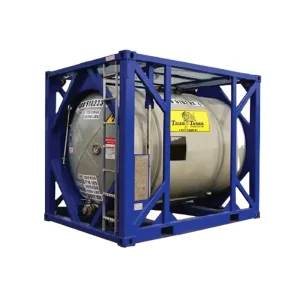
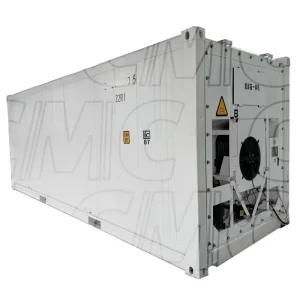
A meticulous breakdown of how the internal chamber of an ISO refrigerated shipping unit preserves perishable cargo integrity across 45-day ocean transit cycles.
The internal envelope utilizes deep-drawn 0.7mm to 0.8mm Grade 304 austenitic stainless steel or MG03 aluminum alloys. This metallurgical choice guarantees complete corrosion resistance against organic acids, aggressive cleaning agents, and ocean salinity while meeting strict FDA and USDA sanitary compliance standards.
Sandwiched between the inner stainless skin and outer Corten-A weathering steel is a cyclopentane-blown polyurethane foam insulation core (density 42-45 kg/m³). This high-pressure foaming technique ensures an outstanding thermal conductivity coefficient (λ ≤ 0.022 W/m·K), suppressing thermal bridging.
The floor consists of heavy-duty 50mm to 75mm extruded aluminum T-profiles. These channels serve as an engineered air-distribution plenum, channeling up to 6,000 m³/h of chilled air from the bottom evaporator fan uniformly up through cargo stowage pallets, eliminating local hot spots.
Inside reefer container solutions are engineered to solve precise geographical, regulatory, and infrastructural challenges in diverse international operating theaters.
De-centralized packing stations across Chile, Peru, and Ecuador deploy 40ft High Cube reefers directly at the farm gate. Internal controlled atmosphere (CA) systems regulate O&sub2; (3-5%) and CO&sub2; (4-6%), arresting fruit respiration during 25-day maritime transits to Asian gateway ports.
Compliance with EU Good Distribution Practice (GDP) requires continuous 24/7 internal temperature validation. Custom inside reefer chambers incorporate redundant thermistors, dual-circuit compressors, and interior anti-spill retaining curbs for high-value APIs and vaccine distribution.
Rigid offshore supply dynamics demand high impact resistance. In accordance with EN 12079 and DNV 2.7-1, internal reefer cells feature explosion-proof interior lighting, reinforced internal cargo lashing rings rated to 2,000 kg, and anti-slip aluminum diamond tread floors.
In regions with fragile grid infrastructure, CIMIC delivers inside reefer systems retrofitted with 48V DC inverter cooling circuits powered by rooftop photovoltaic panels. The interior utilizes encapsulated Phase Change Material (PCM) panels to maintain 4°C holdover for 14 hours during power outages.
A rigorous comparative overview designed to streamline procurement decisions for logistics directors, fleet managers, and supply chain procurement specialists.
| Technical Parameter | 40ft High-Cube Active Reefer | 20ft Standard Marine Reefer | 40ft Passive Insulated Container | Standard Corten Dry Container |
|---|---|---|---|---|
| Internal Dimensions (L×W×H) | 11,590 × 2,290 × 2,555 mm | 5,450 × 2,290 × 2,275 mm | 11,580 × 2,280 × 2,540 mm | 12,032 × 2,352 × 2,393 mm |
| Internal Usable Volume | 67.9 m³ (2,398 cu.ft) | 28.4 m³ (1,003 cu.ft) | 67.0 m³ (2,366 cu.ft) | 67.7 m³ (2,390 cu.ft) |
| Interior Wall Cladding | SUS304 Food-grade 0.7mm | SUS304 / Aluminum MG03 | Fiberglass Reinforced Plastic (FRP) | Corten-A Corrugated Steel 1.6mm |
| Flooring Design | Heavy-Duty Aluminum T-Floor (70mm) | Heavy-Duty Aluminum T-Floor (50mm) | Marine Inverted T-Floor / Flat Wood | 28mm Marine Hardwood Plywood |
| Insulation Composition | High-Pressure PU (45kg/m³) | High-Pressure PU (45kg/m³) | Polyisocyanurate (PIR) Thick Foam | None (Single-Skin Steel Envelope) |
| Thermal Transmittance (U-Value) | ≤ 0.35 W/(m²·K) | ≤ 0.38 W/(m²·K) | ≤ 0.45 W/(m²·K) | N/A (> 5.8 W/(m²·K)) |
| Refrigeration Unit Integration | Carrier / Thermo King / Daikin Scroll | Carrier / Thermo King Scroll | Passive (Dry Ice / Eutectic Plates) | None |
| Power Consumption Baseline | 3.8 - 5.5 kW/h (Steady State) | 2.7 - 4.1 kW/h (Steady State) | Zero Power Required | Zero |
Unlocking profound cost efficiencies, metallurgical integrity, and expedited ocean freight dispatches through CIMIC's specialized Tianjin manufacturing cluster.
Situated in the Tianjin FTA Pilot Area and Suzhou Industrial Zone, our plants reside within 100 km of northern and eastern China’s deep-water terminals (Tianjin Port and Shanghai Port). This geographical advantage eliminates costly inland haulage, reduces pre-shipment carbon footprints, and secures priority berth allocations for roll-on/roll-off and container vessels.
Our production facilities benefit from direct raw-material supply contracts with domestic primary steel mills for SPA-H Corten atmospheric corrosion-resistant steel. Aluminum extrusion profiles for the interior T-floors and stainless steel 304 coils are custom-rolled on-site, driving down procurement variance and insulating global buyers from raw commodity volatility.
CIMIC utilizes fully automated, multi-axis computerized foaming presses. Heated structural molds maintain high thermal stabilization during the high-pressure polyurethane injection phase, guaranteeing zero wall voids, uniform cell structural density, and long-term avoidance of insulation delamination over 15-year service lives.
A forward-looking perspective on the technological milestones redefining interior reefer environments, thermodynamic efficiency, and autonomous cargo management.
Transitioning from traditional HFCs (R-134a, R-404A) toward transcritical CO&sub2; (R-744, GWP=1) and advanced hydrofluoroolefins (HFO-1234yf). Internal evaporator piping systems are re-engineered with thick-wall micro-channel copper and stainless tubing designed to withstand operating pressures reaching 120 bar.
Inside reefer architectures now feature surface-mounted Bluetooth Low Energy (BLE) sensor grids tracking internal cargo core temperature, relative humidity (RH 60-95%), volatile organic compounds (ethylene release), and structural vibrations. Data is continuously linked via Iridium satellite transceivers directly into enterprise ERP systems.
Integrating 20mm Vacuum Insulation Panels (thermal conductivity ≤ 0.004 W/m·K) behind interior stainless panels yields a 35% reduction in wall thickness without compromising thermal resistance. This innovation releases up to 3.2 m³ of additional interior cargo volume across a 40ft container.
Ensuring complete operational clearance and structural certification before any shipping container leaves our factory yards.
Every reefer undergoes a 4-hour automated Pre-Trip Inspection validating refrigerant charge, electronic expansion valves, defrost heaters, microprocessor controls, and insulation thermal performance under +38°C ambient test conditions with documented test logs provided to the buyer.
Units are engineered to support Carrier Transicold (ThinLINE, PrimeLINE), Thermo King (Magnum Plus), and Daikin (LXE) assemblies. OEM mechanical and electrical component standardization guarantees that replacement filter-driers, sensors, and fans are readily available at all international ports.
All delivered containers carry valid Bureau Veritas (BV) or China Classification Society (CCS) approval plates, International Container Safety Convention (CSC) approvals, TIR customs certification, and compliance with the ATP Agreement for the International Carriage of Perishable Foodstuffs.
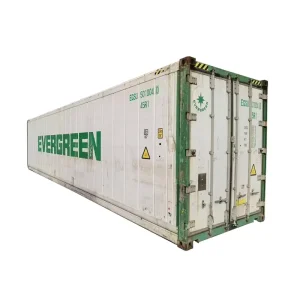
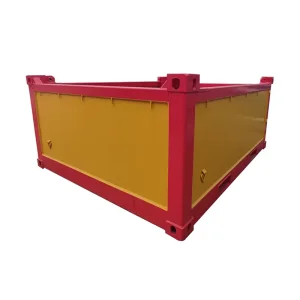
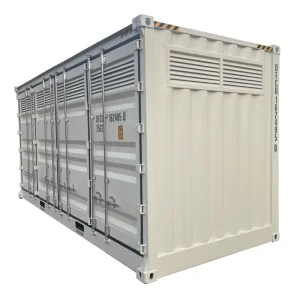
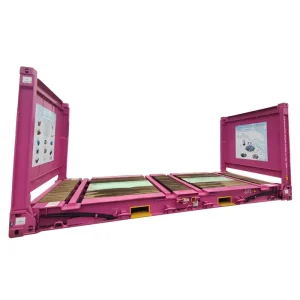
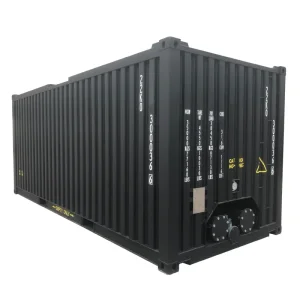
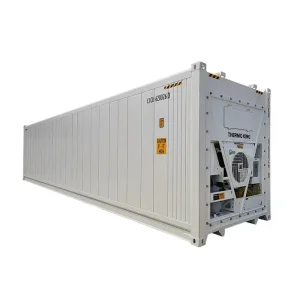
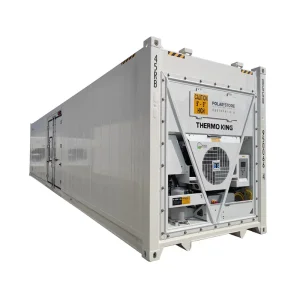
Explore our heavy-duty offshore equipment, modified side-door access reefers, dangerous goods enclosures, and certified used reefer containers.
Expert answers addressing the thermodynamic, operational, and commercial parameters critical to global logistics directors and overseas importers.