Examine baseline factory specifications, specialized structural reinforcements, and direct manufacturing configurations ready for global port export and maritime deployment.
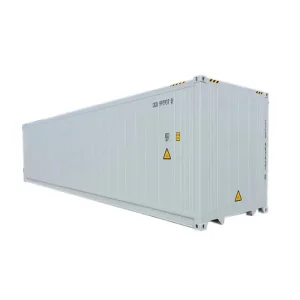
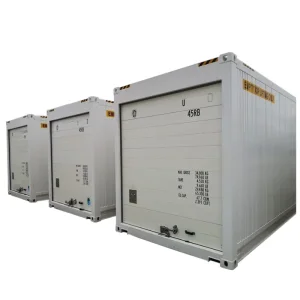
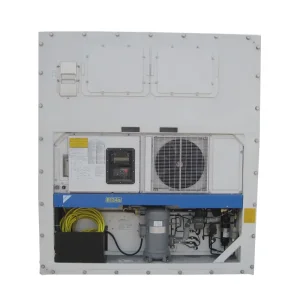
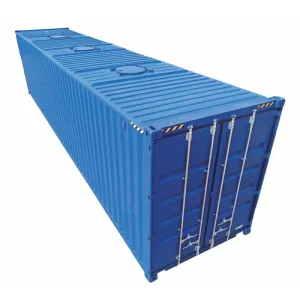
The commoditization of standard dry van containers contrasts sharply with the surging global demand for purpose-built, high-specification containerized enclosures engineered for mission-critical supply chains.
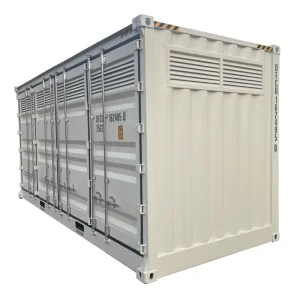
International maritime dangerous goods (IMDG Code) compliance requires robust structural containment for Class 1 through Class 9 substances. Modern industrial fleets increasingly require pressure-relief venting, leak-retention flooring (spill sumps), explosion-proof electrical installations, and sparkless brass hardware. The exponential proliferation of stationary energy storage systems (BESS) and lithium battery freight has converted specialized container manufacturing into an advanced fire-suppression and thermal runaway mitigation science.
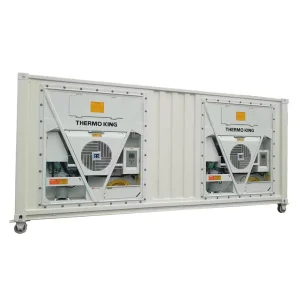
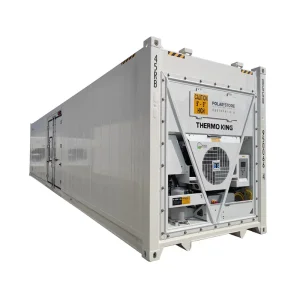
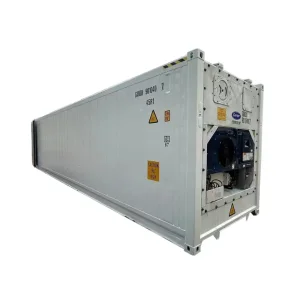
Perishable biopharmaceuticals, mRNA vaccines, high-value seafood, and premium agricultural exports demand thermal continuity within micro-tolerances. Advanced blast reefers engineered in China utilize dual-redundancy refrigeration circuits powered by Daikin, Carrier, or Thermo King powerpacks, maintaining stable temperatures down to -65°C (-85°F). Deep-freeze insulation matrices feature closed-cell polyurethane foam injected at high pressure to eliminate thermal bridges and prevent structural condensation.
Dynamic sea states subject shipping equipment to extreme multi-axial acceleration loads during crane hoisting between offshore supply vessels (OSVs) and deepwater platforms. Standard ISO 1496 containers buckle under such lateral shear. Procuring entities require certification under DNV 2.7-1 / EN 12079, which mandates specialized low-temperature impact testing (charpy V-notch at -20°C), pad-eye stress analysis, and full-penetration robotic welding across primary load-bearing members.
Examine the underlying structural mechanics, alloy chemistry, thermal conductivity calculations, and multi-modal loading simulations that define elite industrial container builds.
Factory production relies on JIS G3125 SPA-H weathering steel for all external corrugated panels, corner posts, and cross-members. The copper-chromium-nickel alloy forms an inert, protective oxide patina when exposed to maritime salt fog. Yield strengths exceeding 355 MPa prevent permanent plastic deformation during 9-high container stacking tests where bottom corner castings sustain compressive loads exceeding 848,000 N per corner post.
Insulated, refrigerated, and equipment shelter units incorporate continuous high-pressure injection of cyclopentane-blown polyisocyanurate (PIR) foam cores between interior food-grade SUS304/SUS316L stainless steel linings and exterior Corten sheets. With thermal conductivity (λ) held below 0.022 W/(m·K), container heat ingress remains under the strict ATP class C limit (K-value ≤ 0.40 W/(m²·K)), slashing refrigeration generator fuel consumption across equatorial transits.
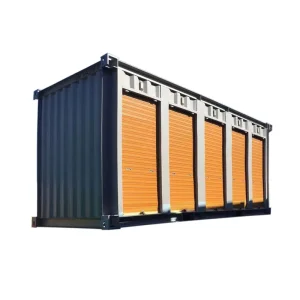
Modifying standard boxes with side-opening bi-fold doors, roll-up shutter portals, or modular living room cutouts compromises continuous shear webs. Factory engineering departments conduct comprehensive 3D non-linear FEA modeling to introduce reinforced perimeter tubular lintels, heavy gusset corner doubler plates, and reinforced sill channels, ensuring racking rigidity remains fully compliant with ISO 1496 transverse testing.
| Container Classification | Structural Substrate | Standard Payload Range | Thermal / Pressure Performance | Regulatory Compliance |
|---|---|---|---|---|
| Dangerous Goods (DG) High-Cube | Corten-A (SPA-H) + Galvanized Sump Grid | 24,000 - 28,000 kg | Passive louver venting, Ex-proof ATEX | CSC, IMDG Code Class 1-9, BV Certified |
| Blast Reefer Deep-Freeze | Corten Outer / SUS304 Food-grade Inner | 26,000 - 29,500 kg | -65°C to +30°C (ΔT = 95°C control) | ISO 1496-2, ATP Class FRC, DNV/BV/LR |
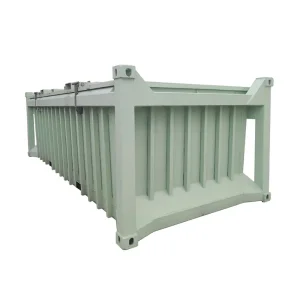
| DNV Offshore Half-Height Box | Normalized Structural Steel (Charpy -20°C) | 12,000 - 18,000 kg | High lateral impact resilience | DNV 2.7-1, EN 12079, IMO MSC/Circ.860 |
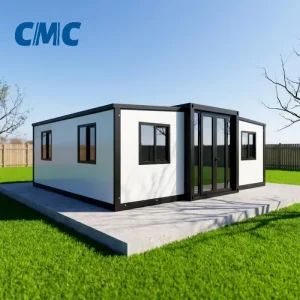
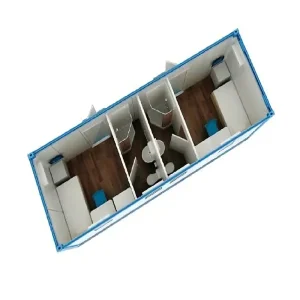
| Modular Accommodation Pods | Light Gauge Steel Framing + PUR Panels | 8,000 - 14,000 kg | R-Value: 24 - 38 (0.24 - 0.15 W/m²K) | CE, IBC Building Code, ISO Modular |
| Bulk Ore Carrier / Open-Top | Hardox 450 Abrasion Floor / Corten-A | 30,480 - 36,000 kg | Heavy point-load resistance | ISO 1496-1, TIR Customs Sealed, UIC |
From deepwater intermodal terminals to isolated Arctic exploration outposts, specialized container deployments solve complex cargo, environmental, and infrastructure challenges.
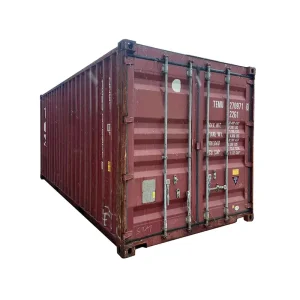
Containerized sea trade requires certified CSC safety approval plates for cell-guide stacking on modern ultra-large container vessels (ULCVs). Our specialized 20ft and 40ft units withstand stacking loads up to 216,000 kg on bottom units, enabling tier stacks up to 9 units high during heavy swell navigation.
Rail transit through the Eurasian land bridge exposes container structures to extreme vibrational harmonics and temperature swings ranging from -40°C in Siberian winter to +45°C in Central Asian deserts. Specially tuned diesel generator clip-on units (gensets) ensure continuous power for temperature-sensitive electronics and chemicals.
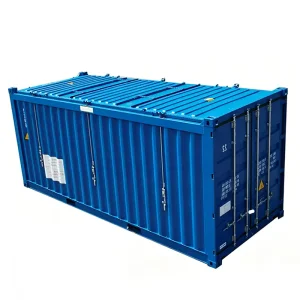
Retail supply chains, pharmaceutical distribution, and e-commerce fulfillment increasingly employ modular roll-up door and full-side-open units as rapidly deployable micro-warehouses. These configurations eliminate dock congestion by permitting side-loading forklift operations without uncoupling chassis trailers.
Extractive operations in Western Australia, Latin America, and Sub-Saharan Africa utilize heavy-duty half-height ore containers equipped with tipping pockets and dump rings, alongside self-contained expandable accommodation pods that provide turnkey crew housing with built-in HVAC, water filtration, and electrical distribution.
China's container manufacturing clusters are evolving from basic steel fabrication into cyber-physical system integrators driving supply chain visibility and carbon neutrality.
Modern smart reefers manufactured in Tianjin integrate dual-mode cellular (4G/5G) and low-earth-orbit (LEO) satellite transceivers directly into the machinery frame. On-board microcontrollers stream real-time supply air, return air, relative humidity, oxygen/CO2 atmospheric composition, and compressor vibration indices to cloud platforms. AI predictive maintenance algorithms flag refrigerant leaks or bearing wear weeks before catastrophic compressor seizure.
In compliance with the Kigali Amendment to the Montreal Protocol and European F-Gas regulations, next-generation cooling units transition away from legacy HFCs (such as R134a and R404A) toward ultra-low Global Warming Potential natural refrigerants. Specialized carbon dioxide (R744) transcritical circuits deliver exceptional thermodynamic efficiency in deep-freeze operations while lowering direct carbon footprint indices to negligible levels.
To combat tare weight constraints and enhance volumetric payload efficiency, engineering roadmaps focus on replacing conventional internal side wall plywood lining with recyclable continuous-fiber-reinforced thermoplastic (CFRT) sheets. These composite sandwich structures offer total water resistance, zero bacterial absorption, high impact resistance against forklift tines, and an estimated 12% reduction in overall tare weight per unit.
Container longevity and safety hinge on independent classification society witness testing, traceable steel mill certifications, and exhaustive factory pre-delivery inspections (PDI).
Every export container intended for intermodal transit must be fitted with an approved CSC Safety Approval Plate. Bureau Veritas (BV), DNV, ABS, or China Classification Society (CCS) surveyors conduct full prototype type-approval testing including: stacking test (1.8x maximum gross weight on 9 tiers), transverse racking test (150 kN load), longitudinal restraint test (2g acceleration), and floor strength tests via heavy pneumatic wheel-load simulators.
Factory surface preparation involves automatic shot-blasting of all steel plates to SA 2.5 cleanliness, creating a 30-50 μm anchor profile. The coating schedule comprises a zinc-rich epoxy primer (minimum 80% metallic zinc in dry film), an epoxy intermediate barrier coat, and an exterior polyurethane topcoat engineered for exceptional gloss retention and UV degradation resistance, verified by 1,500-hour continuous salt spray chamber exposure tests.
Prior to release from Tianjin and Suzhou factory storage yards, each refrigerated container undergoes an automated electrical and thermodynamic Pre-Trip Inspection (PTI). The multi-phase cycle validates micro-step compressor unloading, defrost cycle timing, ambient temperature sensor calibration, probe integrity, and door gasket airtightness via internal smoke pressurization and ultrasonic leak detectors.
Optimize capital expenditure by analyzing how steel market dynamics, refrigeration brand selections, customized weld procedures, and logistics positioning dictate container quotes.
Raw Corten steel represents roughly 50-60% of the production cost for standard and dry bulk containers. For reefer units, the high-performance refrigeration machinery (Thermo King Magnum Plus, Carrier Primeline, or Daikin LXE series) accounts for over 55% of the total unit price. Understanding raw material index pricing (SHFE Hot Rolled Coil) enables international procurement officers to lock in optimal production window quotes.
Shipping empty specialized boxes overseas incurs substantial ocean dead-freight expenses. Enterprise buyers leverage Shipper Owned Container (SOC) status, chartering empty units to freight forwarders on one-way revenue-earning runs to destination ports (e.g., Rotterdam, Hamburg, Los Angeles, Santos, Durban), effectively eliminating positioning freight costs and drastically reducing delivered net unit costs.
Direct manufacturer quotes include comprehensive warranty terms: typically 5 years on Corten steel structural integrity and paint adhesion, and 3-5 years on primary refrigeration compressor assemblies supported by global service networks. Procurement packages often bundle essential voyage spare parts kits (gaskets, controller PCB boards, sensor thermistors, door handles) to safeguard fleet uptime.
Precise technical guidance provided directly by factory design engineers to streamline intermodal specifications and international quote requests.
Dangerous goods containers feature an integrated secondary containment sump beneath a removable galvanized steel grate floor to capture hazardous spills (exceeding 25% of total liquid payload capacity). They also include flame-arrestor passive airflow louvers, stainless steel internal earthing ground lugs for static electricity dissipation, safety escape push-pad interior door latches, and certified fire-resistant paint finishes compliant with IMDG, ADR, and OSHA guidelines.
Standard mild steel experiences severe ductile-to-brittle transition when exposed to sub-zero temperatures. Our deep-freeze blast reefers incorporate low-temperature structural steels normalized with fine austenitic grain structures, Charpy V-notch tested to absorb minimum 27 Joules at -40°C. Internal floor and lining structures employ grade 304 or 316 austenitic stainless steel, which retains excellent impact toughness and anti-corrosive properties at extreme cryogenic levels.
For standard catalog equipment (such as 20ft/40ft dry boxes, standard reefers, or certified stock units), orders can ship within 7 to 14 days directly from port storage yards. Tailored OEM/ODM engineering builds requiring bespoke tooling, special door apertures, internal insulation variations, or specialized offshore DNV certifications generally require an engineering drawing review cycle of 7 business days, followed by a typical production batch lead time of 25 to 35 calendar days. Stock units have an MOQ of 1, whereas custom tooling builds typically maintain an MOQ of 2 to 5 units depending on specification complexity.
Every unit leaves our manufacturing facilities accompanied by a comprehensive technical dossier: Original CSC Safety Approval Certificate, Classification Society Type Approval (BV, DNV, ABS, or CCS), Factory Mill Test Reports (MTR) confirming steel chemical composition and tensile strength, Non-Destructive Testing (NDT) magnetic particle inspection reports on primary load-bearing welds, Paint Dry Film Thickness (DFT) adhesion test verification, and for reefers, an automated pre-delivery Pre-Trip Inspection (PTI) performance report chart.
Yes, provided they carry valid CSC certification verified by physical load testing. Conventional end-door containers derive significant shear rigidity from their solid side corrugated panels. When side doors or roll-up shutters are added, factory engineers reinforce the top and bottom side rails with heavy hollow structural sections (HSS) and install reinforced portal frame corner posts. Once verified through finite element analysis and physical transverse racking load testing, the containers receive CSC plating and can be integrated into standard cellular ship holds and deck stacks.
Active reefer containers contain an electromechanical compressor, condenser, evaporator, and heating cycle that actively modulates temperature within a range of -35°C to +30°C (or down to -65°C on blast models), requiring a constant 380V/440V 3-phase electrical connection. In contrast, passive insulated containers feature thickened polyurethane or aerogel wall panels without active mechanical refrigeration. They rely entirely on thermal mass and thermal insulation to restrict temperature fluctuation (typically ΔT ≤ 1.5°C per 24 hours), serving as an economical, zero-energy solution for shorter domestic rail journeys, chemical freight, or non-perishable food distribution.
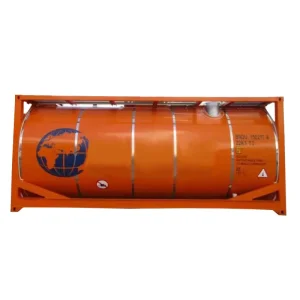
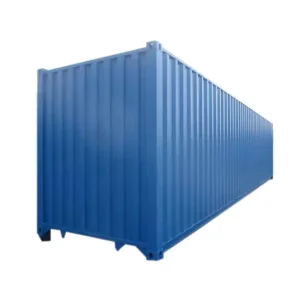
Review our comprehensive export solutions for liquid transport, dry bulk minerals, offshore operations, certified dry cargo, and second-hand port-side inventories.
Consult with CIMIC Group's engineering specialists to configure door openings, specify internal insulation materials, verify DNV 2.7-1 offshore lifting calculations, or secure volume procurement schedules with direct export dispatch from Tianjin port.
