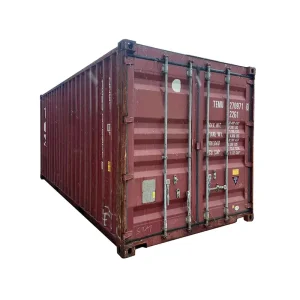
Intermodal Dry
View Product & Quotes
Explore heavy-duty intermodal cargo solutions, cryogenic gas transport, and precision refrigerated units engineered directly at our coastal China manufacturing centers.
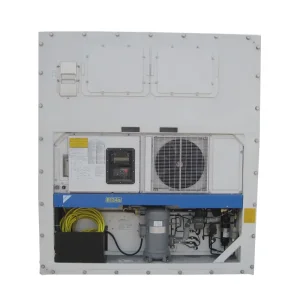
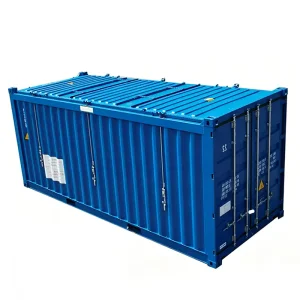
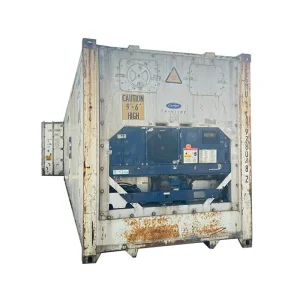
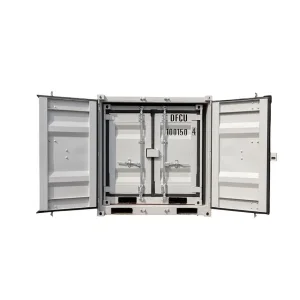
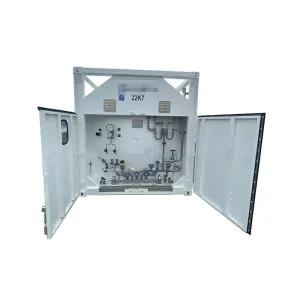
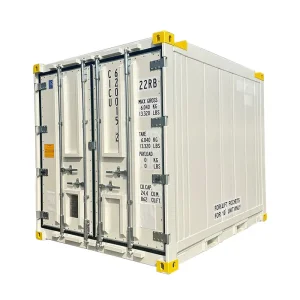
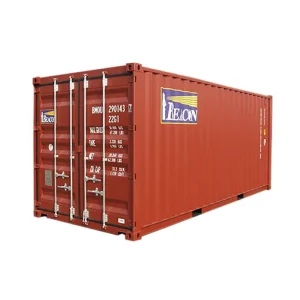
The international refrigerated container sector has entered an era of profound technological disruption. Where traditional marine logistics previously treated a reefer box as merely an insulated shell coupled to an electro-mechanical compressor, global supply chains now demand intelligent thermal vaults capable of autonomous microclimate management.
In modern intermodal freight logistics, maintaining set-point integrity across long ocean passages, inland rail links, and prolonged dwell times at customs yards is essential. Modern pharmaceutical GDP (Good Distribution Practice) regulations, coupled with transcontinental horticultural protocols (e.g., USDA Cold Treatment standards), have driven substantial transformation across the reefer manufacturing industry.
Chinese manufacturing hubs—spearheaded by veteran production enterprises such as CIMIC Group (Tianjin Cimic Imp&Exp Co., Ltd., active since 1983)—have spearheaded this transformation by integrating aerospace-grade insulation, smart variable-frequency scroll compressors, real-time IoT telematics, and eco-conscious low-GWP (Global Warming Potential) refrigerants.
The contemporary reefer shell relies on non-CFC, high-density cyclopentane-blown polyurethane foam insulation injected at high pressure. This minimizes thermal bridging, yielding an overall heat leakage coefficient (K-value) below 0.34 W/(m²·K). This level of insulation preserves internal temperatures under extreme tropical solar loads of up to +50°C.
Global decarbonization initiatives and the Kigali Amendment have accelerated the transition away from high-GWP R134a. New-generation factory builds utilize transitional alternatives like R513A, alongside natural refrigerant architectures running ultra-low GWP R744 (Carbon Dioxide, CO₂). These systems deliver superior volumetric cooling capacity in ultra-low deep-freeze applications down to -40°C and -70°C.
State-of-the-art reefer containers incorporate multi-constellation GNSS, wireless mesh internal cargo probes, and bidirectional satellite/cellular transceivers. Fleet operators monitor compressor discharge pressure, defrost cycles, supply and return air temperatures, and relative humidity in real time, while initiating remote pre-trip inspections (e-PTI).
Selecting the optimal container geometry and thermodynamic package is critical for cold-chain efficiency. Below is an engineering overview of structural profiles manufactured across Chinese facilities.
| Classification Category | Dimensions (L × W × H) | Operational Temp Range | Core Machinery Units | Strategic Applications |
|---|---|---|---|---|
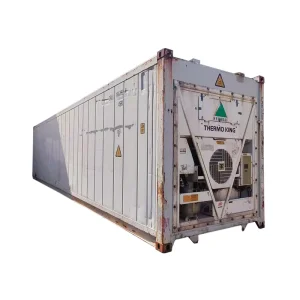
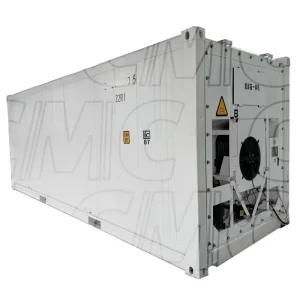
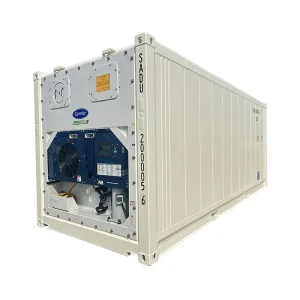
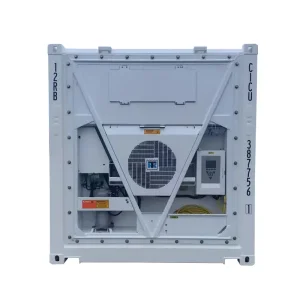
| 20ft Standard ISO Reefer | 20' × 8' × 8'6" (6.058 × 2.438 × 2.591m) | -30°C to +30°C | Carrier PrimeLINE / Thermo King / Daikin | Dense weight cargo: dairy, seafood, heavy biologics, military rations. |
| 40ft High Cube (HC) Reefer | 40' × 8' × 9'6" (12.192 × 2.438 × 2.896m) | -35°C to +30°C | Carrier ThinLINE / Daikin LXE10E / Starcool | High-volume produce, bananas, poultry, citrus, retail cold storage. |
| 10ft Mini Compact Reefer | 10' × 8' × 8'6" (2.991 × 2.438 × 2.591m) | -30°C to +20°C | Custom Integrated / Thermo King Scroll | Offshore platform provisioning, medical relief, urban micro-hubs. |
| Controlled Atmosphere (CA) Reefer | 40' High Cube Platform | -2°C to +15°C (O₂/CO₂ regulated) | Daikin ZeFresh / Carrier EverFRESH / Starcool CA | Extended shelf-life perishables: avocados, berries, asparagus, mangos. |
| Ultra-Low Deep Freezer (-70°C) | 20ft / 40ft HC Heavy Insulated | -70°C to -40°C | Cascade Multi-Stage Cryogenic Units | Sashimi-grade tuna, mRNA vaccines, plasma, biological cell banks. |
| Solar Smart DC Inverter Reefer | 20ft / 40ft Integrated Photovoltaics | -25°C to +15°C (Solar + Grid Hybrid) | Variable Speed DC Inverter Units | Off-grid agricultural harvest storage, rural cold distribution, military outposts. |
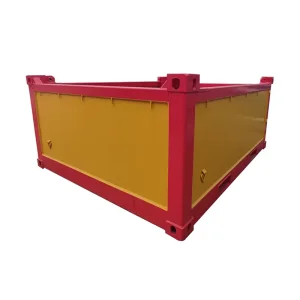
| DNV 2.7-1 Certified Offshore Reefer | 10ft / 20ft Reinforced Structural Rig | -30°C to +20°C | Carrier / DNV Blast-Proof Modified | Oil & gas rigs, deep-sea exploration, harsh marine platforms. |
Self-contained units with an integrated refrigeration system powered by an external 3-phase electrical supply (380V/440V, 50/60Hz) or diesel genset. High-grade food-safe stainless steel interiors (Grade 304) and aluminum T-bar floors ensure laminar air distribution beneath palletized goods.
These advanced reefers integrate nitrogen generators, carbon dioxide scrubbers, and precise oxygen sensors. By depressing O₂ levels (e.g., down to 3%) and elevating CO₂ levels, produce respiration decelerates significantly, extending the commercial storage lifecycle from weeks to months.
Equipped with roof-mounted photovoltaic arrays and lithium iron phosphate (LiFePO4) energy storage modules. High-efficiency brushless DC inverter compressors modulate cooling capacity to match dynamic load profiles, reducing fuel and grid power consumption by 35% to 60%.
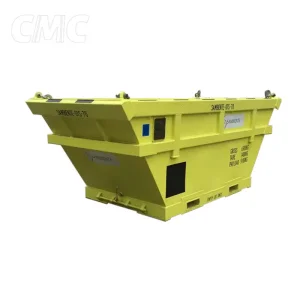
Engineered for complex environments, including side-opening configurations, dual-temperature compartmentalized layouts (freezer + chiller in one box), and DNV 2.7-1/EN 12079 certified offshore baskets designed to withstand ocean heave, high wind shear, and dynamic sling shock loads.
China manufactures more than 85% of the world's intermodal shipping and cold-chain containers. Modern facilities leverage automated fabrication, tight metallurgical control, and extensive testing protocols to produce containers built for longevity and harsh marine environments.
Every frame member is cold-formed from high-yield, anti-corrosive SPA-H atmospheric weathering steel. CNC laser cutting lines process corner castings, bottom side rails, and header frames with sub-millimeter tolerances, ensuring structural rigidity capable of stacking nine-high under full payload (up to 34,000 kg gross weight).
Thermal insulation consistency determines the container's energy consumption. Automated computer-controlled injection rigs introduce cyclopentane blowing agents and polyol blends into vacuum-assisted wall cavities. This automated foaming prevents air voids, ensures uniform density (42-45 kg/m³), and eliminates structural hot-spots.
Steel surfaces undergo SA 2.5 shot-blasting, followed by a three-coat paint system: a zinc-rich epoxy primer, an intermediate epoxy barrier, and an acrylic/polyurethane topcoat certified to ISO 12944 C5-M standards. Before leaving the yard, every reefer completes a comprehensive automated 4-hour PTI cycle validating compressor stages, sensors, and airflow balance.
Evaluating capital expenditure (CapEx) against long-term operating costs (OpEx) reveals the true economic profile of a reefer investment. An analysis of global procurement metrics and pricing drivers shows where strategic savings can be realized.
While an entry-level quotation for a refrigerated unit can seem appealing on an initial commercial pro-forma invoice, real-world fleet performance hinges on operational efficiency. Over a standard 12-to-15 year marine operational lifecycle, energy consumption accounts for up to 60-70% of total ownership costs, while initial purchase price represents only 15-20%. The remaining balance encompasses maintenance, sensor calibration, USDA compliance checks, and structural repairs.
For stationary on-site cold storage or regional domestic supply chains, 80-90% renewed used reefer containers present a practical alternative, saving 35-50% in immediate CapEx. Each unit undergoes multi-point PTI testing, structural sealing checks, and compressor load trials before export from China port hubs.
From offshore gas extraction platforms to distributed pharmaceutical supply chains, reefer containers fulfill distinct operational roles across demanding environments.
Long sea-voyage cold chains carrying bananas, blueberries, avocados, and fresh-cut flowers utilize 40ft High Cube Controlled Atmosphere containers. By maintaining an exact balance of 3% O₂ and 5% CO₂ at +13.5°C, fruit decay and premature ripening are arrested over 35-day ocean transit times.
GDP-compliant distribution of temperature-sensitive biologic treatments, insulin, and clinical testing compounds requires reliable redundant cooling. Ultra-precise dual-system reefer platforms maintain tight ±0.5°C control across +2°C to +8°C set-points, supported by continuous IoT temperature logging.
Platform service vessels (PSVs) delivering fresh provisions to remote drilling installations face harsh wave action and corrosive saltwater spray. Certified DNV 2.7-1 / EN 12079 offshore refrigerated containers feature heavy padeyes, certified four-part wire rope slings, and structural builds tested for dynamic lifting at -20°C ambient temperatures.
Supermarket distribution centers, boutique food companies, and temporary urban festivals utilize stationary 20ft and 40ft reefers equipped with flat aluminum flooring, internal safety panic escape releases, digital LED lighting, and butcher-curtain door seals for flexible, on-demand cold room capacity.
Detailed technical answers addressing procurement, machinery configurations, structural adaptations, and compliance protocols.
Complete your fleet procurement with our solar-powered smart storage solutions, DNV-rated offshore baskets, tank units, and high-cube refrigeration containers.