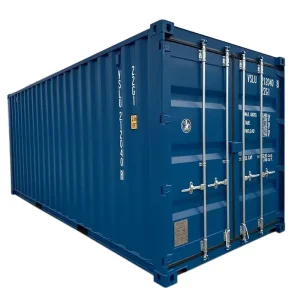
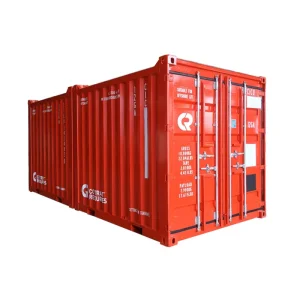
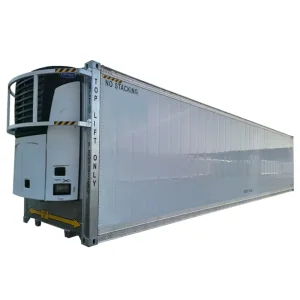
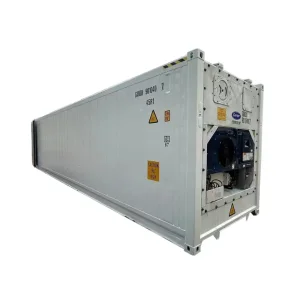
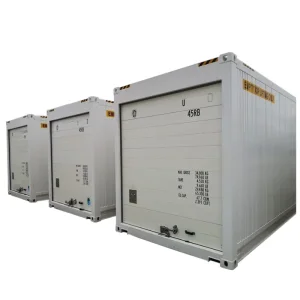
Direct manufacturer availability: Certified heavy-payload containers, offshore units, and specialized dry bulk infrastructure optimized for international multimodal shipping.
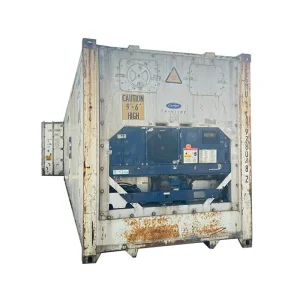
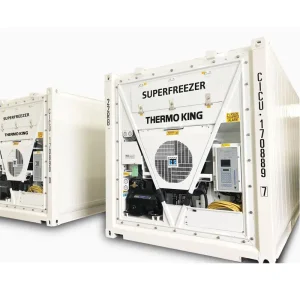
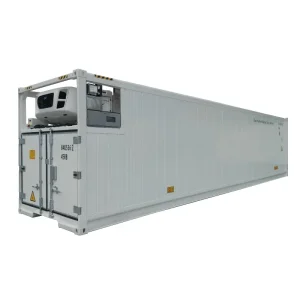
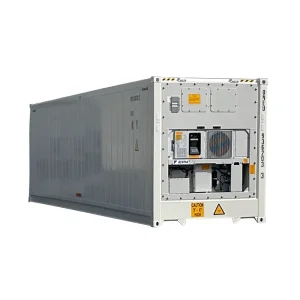
The strategic transition from conventional open break-bulk chartering to standardized, closed-loop intermodal containerization across international supply chains.
The contemporary dry bulk cargo container ecosystem is navigating a tectonic paradigm shift. For over a century, the global movement of dry free-flowing commodities—including agricultural grains, high-density metal concentrates, unrefined bauxite, fertilizer compounds, and granular plastics—depended almost exclusively on geared Supramax/Ultramax bulk carriers, open-top hopper railcars, and pneumatic road tankers. However, escalating cross-contamination penalties, demurrage liabilities at draft-constrained maritime terminals, atmospheric spillage regulations, and severe cargo degradation have made conventional break-bulk transport economically untenable.
Enter the engineered bulk cargo container. Specifically configured with specialized roof loading hatches, high-volume gravity discharge chutes, pneumatic decanting manifolds, and full-aperture end flaps, specialized ISO bulk units effectively merge the volumetric efficiencies of raw bulk haulage with the speed, predictability, and asset traceability of liner container networks.
Four structural engineering evolutions transforming global bulk cargo container design, material science, and port handling infrastructure.
High-strength open-top containers engineered with perimeter bottom corner locks and continuous reinforced side rails that interface directly with 360-degree rotating car-dumpers for dustless 90-second cycle unloading.
ATEX Zone 0 certified sensor suites embedded inside hatch recesses measuring real-time bulk cargo mass displacement, interior relative humidity, carbon monoxide levels, and core temperature.
Hermetically sealed bulk containers operating at 1.5–2.0 bar working pressure, utilizing fluidizing aerator pads along the hopper bottom to convey powders through piping networks directly into silo systems.
Deployment of advanced micro-alloyed ultra-high-strength steel grades and glass-fiber-reinforced polymer (GFRP) structural roofs, achieving up to 650 kg tare weight reduction per unit.
Engineering cross-sections of operational container topologies across agriculture, heavy mining, specialty chemicals, and offshore operations.
Utilizes 20ft/40ft ISO bulk containers with multi-hatch roofs (3x Ø500mm openings) and lower discharge letterbox flaps with internal food-grade EVOH barrier liners. Prevents condensation rain and insect infestation while maintaining fumigation seals for export compliance.
High-density minerals (copper, lithium spodumene, iron concentrate) demand half-height (4ft 3in to 5ft) bulk containers. The low center of gravity prevents rolling hazards during rail transit and ship stacking, engineered for heavy payloads up to 32 metric tons.
High-purity polymers and chemical beads require mirror-smooth electro-polished stainless steel interiors or specialized polyethylene sea-bulk liners. Discharge occurs through bottom rotary valves to guarantee 100% material evacuation without residue.
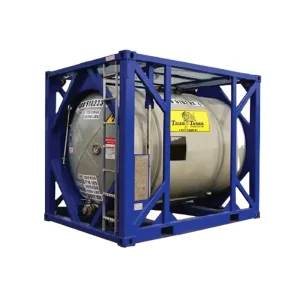
Pneumatic pressurized tank containers equipped with fluidization aeration cones. Bulk powdered materials are blown horizontally and vertically up to 40 meters high directly into on-site batching silos, eliminating bagging plants and handling waste.
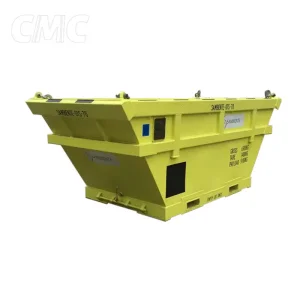
Rigorous DNV 2.7-1 and EN 12079 certified silt baskets and offshore skips engineered to handle high-moisture drilling waste, contaminated drill mud, and heavy aggregate slurry with dynamic four-point offshore sling hoisting.
Standardized dry containers deployed along the Trans-Caspian and China-Europe railway networks. Designed with anti-racking structural end frames to absorb high-impact rail shunting stresses without seal breach or hatch distortion.
Rigorous structural parameters, mechanical ratings, and ISO 1496 compliance standards comparing specialized bulk solutions.
| Container Classification | Typical Volume (m³) | Max Gross Mass (kg) | Tare Weight (kg) | Primary Discharge Mechanism | Target Commodities | Safety Certification |
|---|---|---|---|---|---|---|
| 20ft ISO Standard Bulk | 33.0 – 38.5 | 30,480 – 32,500 | 2,350 – 2,550 | Gravity Hatch / Decanting Flap | Grains, Sugar, Plastic Resins | ISO 1496-4 / CSC |
| 20ft Half-Height Ore Bulker | 16.5 – 19.5 | 34,000 – 38,000 | 2,800 – 3,100 | 360° Rotary Tippler Inversion | Copper Concentrate, Iron Ore | CSC / Heavy Rail |
| 40ft High-Cube Bulk Liner | 76.2 – 78.4 | 32,500 – 35,000 | 3,800 – 4,050 | Tilting Chassis Discharge Door | Malt, Pulses, Light Fertilizers | ISO 1496-1 / BV |
| 20ft Pneumatic Silo Tank | 25.0 – 31.0 | 34,000 | 3,200 – 3,450 | Pneumatic 2.0 Bar Fluidization | Cement, Fly Ash, Flour, Silica | ASME VIII / ADR |
| DNV Offshore Waste Skip | 6.0 – 12.0 | 10,000 – 16,000 | 1,800 – 2,400 | Crane Inversion / Clamshell Dig | Drill Cuttings, Heavy Sludge | DNV 2.7-1 / EN12079 |
A critical engineering bottleneck in bulk container design is material bridging—the physical phenomenon where fine granular particles form a cohesive arch over the discharge aperture, choking gravity flow. Modern premier exporters address this via finite element analysis (FEA) optimized hopper slopes with minimum 45° to 60° internal valley angles, complemented by low-friction food-grade UHMW-PE liners or mirror-buffed internal electro-chemical polishing (Ra < 0.4 µm).
Furthermore, under high-speed rotary tipping scenarios, standard ISO container corrugations risk catastrophic structural buckling. Our heavy-duty bulk containers incorporate cold-formed, high-tensile SPA-H Corten steel side posts with continuous longitudinal reinforcement ribs, rated to withstand transverse dynamic shock loads exceeding 2.0G during rapid inverting operations without permanent plastic deformation.
From extraction mine and agricultural elevator directly to consumer silo: Eliminating structural inefficiencies across sea, rail, and highway transfer.
Containers are loaded directly at inland mineheads, sealed with high-security ISO/PAS 17712 bolt seals, and marshaled onto unit trains. Containers transition directly to container vessel decks without intermediate stockpile losses or environmental contamination.
Last-mile distribution trucks equipped with hydraulic 55-degree tipping chassis discharge raw granular materials directly into below-ground receiving hoppers in under 6 minutes, removing the need for costly fixed rotary unloaders at regional processing plants.
Deploying collapsible nested mini-containers or dual-purpose dry-bulk/general-freight units that haul granular fertilizer outbound and general palletized goods on return legs, driving empty container positioning ratios down to historic lows under 8%.
Critical structural, operational, and commercial insights for logistics directors, procurement heads, and fleet managers.
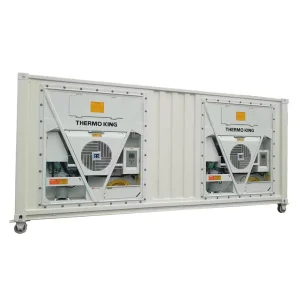
Comprehensive manufacturing lineup: Advanced tank containers, blast reefers, and multi-door intermodal units ready for global logistics procurement.