Direct export configurations featuring factory-tested ISO, DNV, and BV certified standard and specialized cargo containers.
Understanding the pricing anatomy of a 20ft ISO intermodal cargo unit: from Corten-A steel spot markets to compliance engineering overheads.
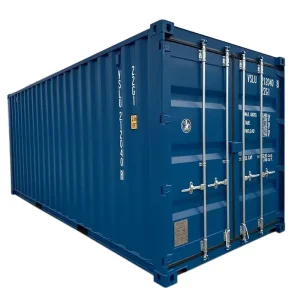
Over 55% of the baseline cost of a 20 foot dry cargo shipping container is tied to Corten-A weathering steel (SPA-H). Structural corrugated panels, corner posts, and crossmembers require high tensile strength and anti-corrosion properties to withstand rough ocean conditions. Variations in global iron ore and hot-rolled coil prices immediately shift ex-factory rates.
Modern international safety and maritime compliance mandates low-VOC waterborne zinc-rich primers and epoxy intermediate coatings. Chinese manufacturing plants have invested millions in automated environmental spray-booths, directly ensuring a 15-20 year anti-corrosive lifespan across salt-fog atmospheric corridors (ISO 12944 C5-M certified).
Every genuine ISO intermodal container must bear a valid CSC Safety Plate verified by recognized classification societies like Bureau Veritas (BV), ABS, or DNV. For specialized offshore units, compliance with DNV 2.7-1 / EN 12079 significantly elevates testing cycles, including destructive drop tests, non-destructive testing (NDT), and weld ultrasonic verification.
Pioneering Manufacturing Heritage
Years of Engineering Experience
Factory Proximity to Major Seaports
Global Industrial Intermodal Footprint
Strategic logistics advantages, supply chain maturity, and automated fabrication efficiency centered around Tianjin and Yangtze River Delta clusters.
Tianjin Cimic facilities are strategically positioned roughly 100 kilometers from the Port of Tianjin—North China’s largest maritime hub. This proximity eliminates excessive drayage costs, prevents chassis repositioning fees, and permits rapid "one-trip" ocean cargo loadings directly off the final assembly line.
State-of-the-art Chinese container lines leverage synchronized robotic arm welding rigs for continuous side-panel seams, automated understructure assembly, and precise corner casting integration. This minimizes human tolerance error, ensures airtight seals, and drastically drops labor cost per TEU.
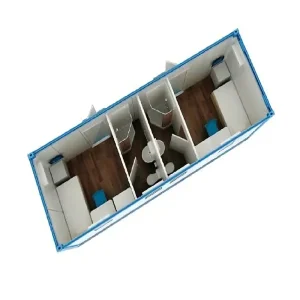
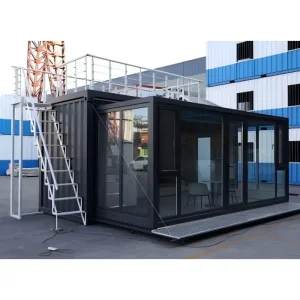
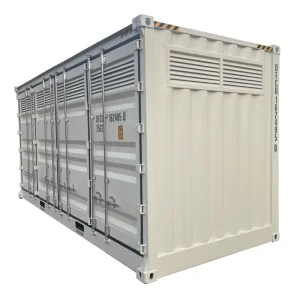
Beyond traditional standard dry freight boxes, Chinese manufacturing infrastructure seamlessly pivots to bespoke configurations: side-door access, roll-up shutter reefers, ultra-deep cryogenic units (T75), and modular container living pods equipped with CE/UL-compliant plumbing and wiring.
| Container Classification | Typical Factory Ex-Works Range (USD) | Primary Cost Influencers | Ideal Application Sector |
|---|---|---|---|
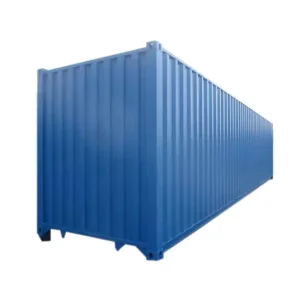
| 20ft Standard Dry Cargo (New / 1-Trip) | $1,700 - $2,300 | Corten steel spot index, marine-grade bamboo/plywood floors | General maritime logistics, static site dry storage |
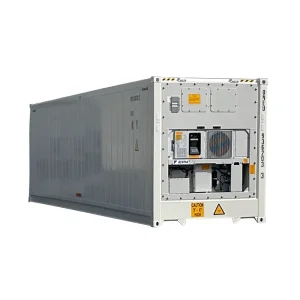
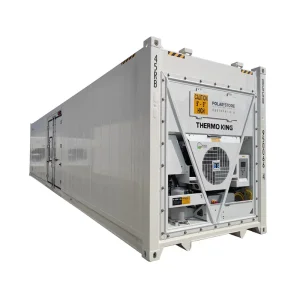
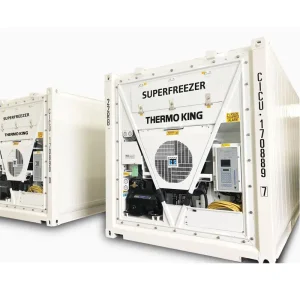
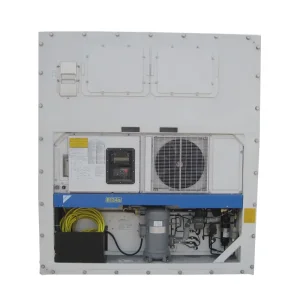
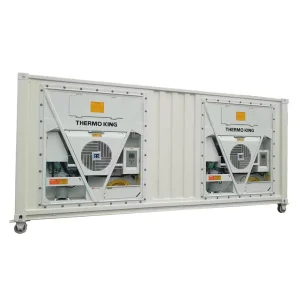
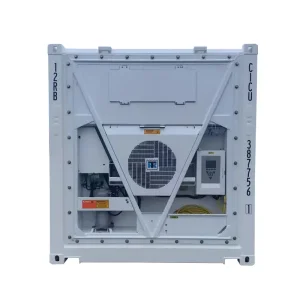
| 20ft High-Cube Insulated / Reefer | $6,500 - $11,500 | Refrigeration unit (Carrier/Daikin/Thermo King), PU insulation density | Cold-chain pharmaceuticals, perishable agricultural freight |
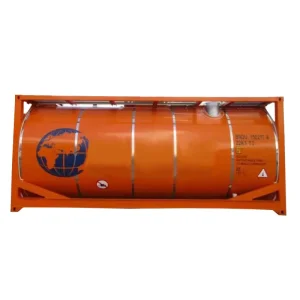
| 20ft ISO Liquid Tank (T11/T75) | $14,000 - $28,000+ | 316L stainless steel, cryogenic vacuum insulation, ASME stamps | Bulk chemicals, food-grade liquid handling, LNG/industrial gas |
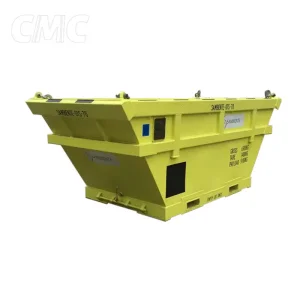
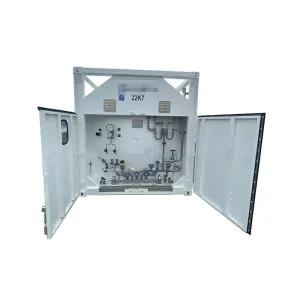
| 20ft DNV Offshore Cargo Unit | $4,800 - $7,900 | DNV 2.7-1 certification, high-tensile pad eyes, certified lifting slings | Deep-sea oil & gas platforms, subsea exploration operations |
Analyzing industry pivots toward green metallurgy, digital telemetry, and hybrid intermodal design.
The contemporary 20-foot container is transforming from a passive metal shell into an intelligent digital node. Direct factory integration of real-time GPS sensors, internal humidity monitors, shock detection gyroscopes, and BLE door sensors allows cargo operators to track freight integrity autonomously.
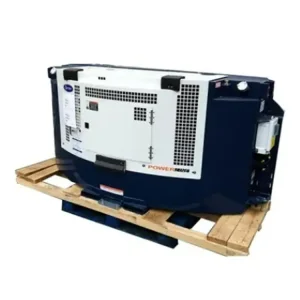
Global container lines are pushing toward Net-Zero freight. Chinese mills lead the adoption of electric arc furnace (EAF) low-carbon steel, composite bamboo-fiber or lightweight aluminum flooring alternatives, and solar-assisted reefer generator units designed to slash fossil fuel dependency during dwell periods.
The rapid rise of modular off-grid infrastructure, pop-up commercial hubs, and emergency housing solutions has positioned the 20-foot standard dimension as the structural benchmark for civil engineering. Factory-modified expandable container houses minimize construction cycle time by up to 70%.
How global contractors, supply chains, and offshore enterprises deploy 20-foot modular shipping platforms.
For agricultural and food security initiatives in emerging African and Latin American corridors, 20-foot reefer units provide flexible cold staging hubs where permanent cold warehouses are economically non-viable, utilizing dual-voltage Carrier and Daikin cooling systems.
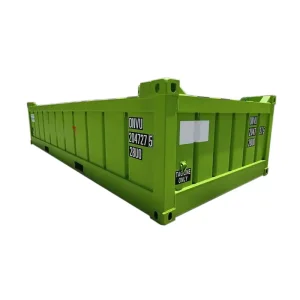
Half-height offshore containers and heavy-duty double door configurations permit top-loading and automated dumping of dense minerals, ore, and drill equipment without compromising frame structural integrity in compliance with international mining safety codes.
Engineered with pressure release valves, stainless liners, and automated internal venting, our specialized 20ft hazardous goods and T11 liquid tanks provide airtight, leakage-proof containment for Class 3 through Class 8 industrial chemicals.
Essential technical and financial guidelines for procuring containers directly from Chinese exporters and manufacturers.
Explore heavy-duty, offshore certified, and custom modular containers directly from our production lines.