Engineered from premium grade Corten weathering steel with full international structural certifications (CSC, ISO 1496-1, BV, DNV GL) for seamless marine, rail, and intermodal haulage.
An analytical overview of total cost of ownership (TCO), multi-modal fleet utilization, and structural lifecycle management across Tier-1 shipping conglomerates, resource extraction enterprises, and military logistics departments.
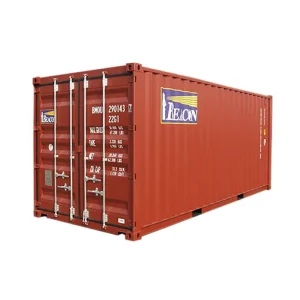
Standard 20-foot dry containers endure immense physical stresses during deep-sea transit. Modern B2B buyers mandate SPA-H Corten atmospheric corrosion-resistant steel with yield strengths above 345 MPa. This metallurgical standard guarantees resistance to marine saltwater oxidation, atmospheric pollutants, and catastrophic cyclic dynamic fatigue during 9-high fully laden container stacking sequences.
Logistics directors balance tare weight against allowable gross mass to maximize freight ton-kilometers. Our standard 20ft dry cargo containers feature an engineered tare profile of ~2,180 kg to 2,240 kg, permitting a certified maximum payload capacity reaching 28,240 kg. This payload density makes the 20-foot container the preferred configuration for high-density goods like minerals, machine parts, grain, and chemicals.
Global asset visibility is no longer an optional add-on; it is an operational imperative. Enterprise procurement mandates factory-installed IoT telematics recesses, ISO-standard corner casting tolerances, and precision double-locking door rods fitted with tamper-evident E-seal brackets. Containers must transition between deep-sea vessels, double-stack railway wagons, and highway chassis trailers without structural jamming.
How CIMIC Group adapts the fundamental 20-foot dry container architecture to resolve complex operational bottlenecks across energy, infrastructure, agriculture, and defense supply corridors.
Retrofitting standardized 20ft Corten shells into high-density Battery Energy Storage Systems (BESS). Structural floor beams are reinforced to sustain 35+ metric tons of lithium-ion racks, HVAC liquid cooling circuits, and fire suppression systems while retaining ISO corner casting lift points for remote desert and offshore installations.
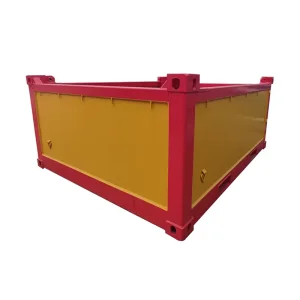
Dense mineral logistics require customized 20ft bulk variations featuring roof loading hatches, discharge discharge ports, and specialized half-height ore carrier profiles. Eliminating bulk bag packaging saves up to 34% in recurring logistics expenditure across copper, iron concentrate, and bauxite haulage routes.
Deploying 20ft dry enclosures as ruggedized mobile workshops, remote laboratory units, and disaster recovery medical bays. With integrated marine-grade rock wool or PIR insulation panels, standardized electrical wiring harnesses, and high-security double door seals, units perform in temperatures from -40°C to +55°C.
Transforming 20ft dry containers into liquid bulk transporters using interior flexitank bladders. Side corrugated panels receive targeted transverse reinforcement to counter dynamic liquid surge forces during railway acceleration, emergency braking, and rough open-ocean vessel pitch and roll motions.
Manufactured strictly in compliance with ISO 668, ISO 1161, and ISO 1496-1 design parameters, audited and stamped by Bureau Veritas (BV) classification society.
| Dimensional & Mechanical Parameter | Metric Units | Imperial Units | Engineering Tolerance / Standard |
|---|---|---|---|
| External Length | 6,058 mm | 20' 0" | +0 mm, -6 mm (ISO 668) |
| External Width | 2,438 mm | 8' 0" | +0 mm, -5 mm (ISO 668) |
| External Height | 2,591 mm | 8' 6" | +0 mm, -5 mm (ISO 668) |
| Internal Length | 5,898 mm | 19' 4.2" | Clear interior usable space |
| Internal Width | 2,352 mm | 7' 8.6" | Clear interior between corrugations |
| Internal Height | 2,393 mm | 7' 10.2" | Floor surface to ceiling crossmember |
| Door Opening Dimensions (W x H) | 2,340 mm x 2,280 mm | 92.1" x 89.7" | Dual swing opening angle 270° |
| Internal Cubic Capacity | 33.2 m³ | 1,172 cu. ft. | Volumetric utilization rating |
| Tare Weight (Standard Specification) | 2,200 kg | 4,850 lbs | ± 2% manufacturing variance |
| Maximum Payload Capacity | 28,280 kg | 62,350 lbs | Net weight of goods safely carried |
| Maximum Operating Gross Mass (MGM) | 30,480 kg | 67,200 lbs | Certified on CSC Safety Plate |
| Flooring Construction | 28 mm Marine Plywood / Bamboo Composite | 1.1" Laminated Panels | Meets Australian AQIS / Quarantine specs |
| Coating System | Zinc-rich epoxy primer + Polyurethane topcoat | 120–160 μm DFT | High salt-spray endurance (> 1,000 hrs) |
Navigating environmental regulation, carbon border adjustments (CBAM), smart connectivity, and automated terminal handling systems.
With the European Union CBAM taking effect, CIMIC Group is transitioning toward hydrogen-reduced iron and Electric Arc Furnace (EAF) steel sourcing. By integrating low-carbon Corten alternatives, our next-generation 20ft dry containers achieve up to a 42% reduction in Scope 3 embodied carbon per TEU produced, offering multi-national corporate shippers verifiable emission advantages.
Containers are transforming from inert steel shells into autonomous data nodes. Our engineering roadmap embeds kinetic energy harvesters within corner castings and corrugation hollows, powering interior sensors that record acceleration shocks, door opening cycles, internal humidity spikes, and atmospheric pressure changes in real time via satellite and 5G NTN arrays.
Phasing out tropical hardwood plywood floors is a core sustainability priority. CIMIC dry containers utilize fast-growing bamboo composites and recycled polypropylene structural core sandwich panels tested to exceed 7,260 kg front-axle forklift wheel loads. Furthermore, advanced waterborne polyurethane coatings minimize volatile organic compound (VOC) emissions during production.
Strategically buffering regional equipment imbalances, port congestions, and trade corridor shifts through agile manufacturing hubs.
Geopolitical developments around the Red Sea, Suez Canal, and Panama Canal have lengthened vessel turnaround times, locking millions of TEUs in protracted oceanic detours. This ongoing disruption increases demand for brand-new 20ft dry containers at primary manufacturing gateways in China. Importers leverage one-trip 'cabotage' options to move new inventory directly to destination markets with zero empty repositioning penalties.
Operating manufacturing and stock aggregation bases in Tianjin and Suzhou—approximately 100 kilometers from deep-water container wharves—enables CIMIC Group to swiftly dispatch hundreds of units per delivery batch. This proximity shields buyers from costly inland transit bottlenecks and facilitates rapid berth-side delivery aligned with specific ocean carrier vessel stowage schedules.
Quality control at our facilities spans every stage from raw steel chemistry testing through automated CNC roll-forming, robotic welding, shot-blasting, multi-stage painting, to final high-pressure weather tightness validation. Every 20ft dry container undergoes thorough inspections to guarantee leak-proof seals, smooth latch mechanics, and dimensional accuracy under full operational loads.
Backing our manufacturing capabilities with four decades of documented engineering authority, verified supply chain provenance, and round-the-clock technical advisory.
Each production run is accompanied by official documentation, including mill test certificates (MTC), Corten steel chemical assays, Bureau Veritas Type Approval Certificates, CSC safety approvals, timber treatment quarantine certificates, and custom photographic verification reports. Customers receive complete documentation packages prior to export release.
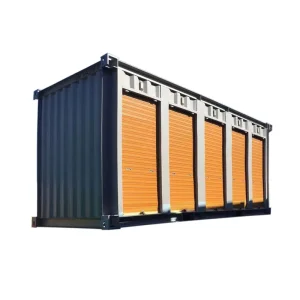
Whether you require specialized side-opening configurations, roll-up shutter access, reinforced floor structures for heavy industrial equipment, or integrated ventilation cowls, our in-house engineering team provides detailed 3D CAD modeling, FEA stress simulations, and customized prototype testing to match specific project demands.
Our multilingual logistics and customer support professionals provide end-to-end guidance across time zones. From container design consultations, customs tariff classifications, and export documentation to cargo insurance and FOB/CIF/DDP freight handling, our teams ensure smooth cross-border execution for overseas buyers.
Clear, expert answers addressing international standards, structural durability, payload limits, and purchasing procedures for 20ft dry shipping containers.
Under international maritime shipping conditions, a brand-new 20ft dry container manufactured from genuine SPA-H Corten steel typically provides 12 to 15 years of continuous active service before requiring major structural refurbishment. When repurposed for static on-site storage or modular field applications and maintained with periodic roof and seal inspections, its operational lifespan routinely exceeds 25 to 30 years.
Corten steel (weathering steel) forms a dense, self-healing oxide patina when exposed to outdoor atmospheric cycles. Unlike standard carbon steel, which flakes off and rusts progressively until structural failure occurs, Corten's protective oxide film significantly retards ongoing corrosion. This characteristic is critical for marine transport where containers are continuously exposed to harsh saltwater mist, humidity, and temperature variations.
The CSC (International Convention for Safe Containers) safety approval plate confirms that a container has been designed, manufactured, and rigorously tested in accordance with international safety standards. For new containers, the initial CSC certification is valid for 5 years from the date of manufacture. Following this initial period, re-inspections must be conducted at certified intervals (typically every 30 months) to verify ongoing structural integrity for marine stowage.
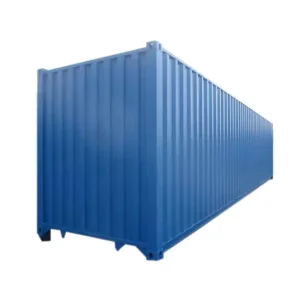
Counterintuitively, a 20ft standard dry container carries almost the exact same maximum payload mass (approx. 28,280 kg) as a standard 40ft container (approx. 28,800 kg), because overall road, rail, and crane lifting gross limits remain around 30,480 kg to 32,500 kg. However, the 20ft unit provides approximately half the cubic volume (33.2 m³ vs 67.7 m³), making 20ft containers the cost-effective industry choice for dense, heavy cargo rather than voluminous, lightweight goods.
Yes. As a primary manufacturer, CIMIC Group offers comprehensive OEM customization for volume orders. Customers can designate specific RAL paint color codes, supply vector files for company logos and operational signage, and choose specialized interior floor options—including 28mm tropical hardwood marine plywood, bamboo composite boards, steel checker plate, or food-grade polyurethane flooring coatings.
Following technical specification sign-off and order confirmation, production schedules are locked in. Overseas clients are invited to perform on-site factory inspections or commission accredited third-party inspectors (e.g., SGS, Bureau Veritas) to monitor welding, paint thickness, and water tightness testing. Detailed factory inspection dossiers, dimensional sheets, and high-resolution media records are provided for every completed container before dispatch.
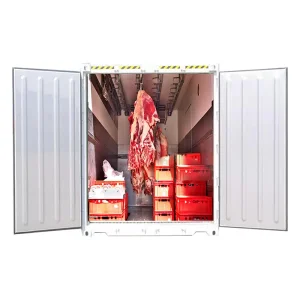
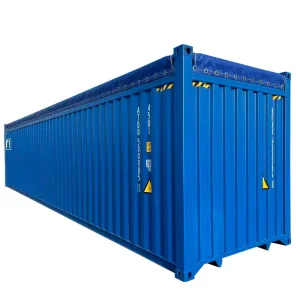
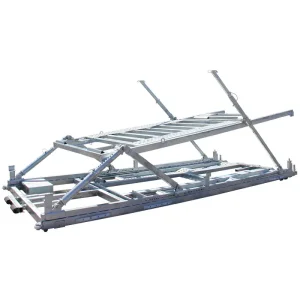
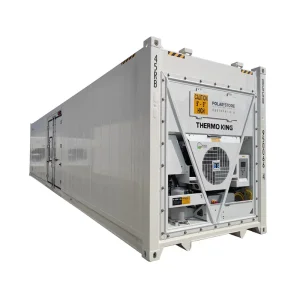
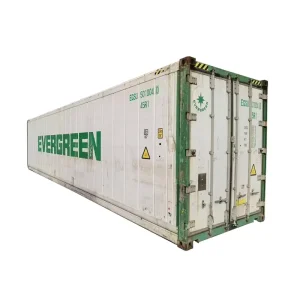
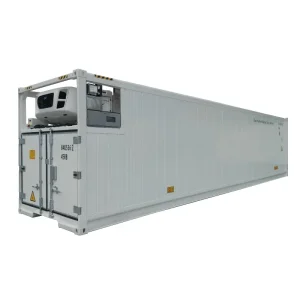
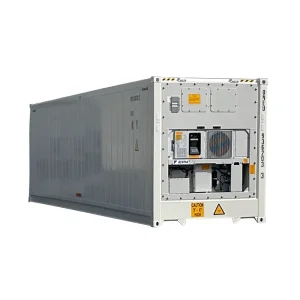
Explore our diverse portfolio of cold storage units, soft open-tops, automotive racks, roll-up door dry containers, and custom intermodal systems.