Explore heavy-duty containment systems engineered under IMDG, ADR, RID, and DNV GL 2.7-1 specifications for marine, rail, and harsh offshore field duty.
Cross-border chemical supply chains require certified, leak-proof, and blast-resistant intermodal hardware to satisfy strict international standards.
Global regulatory pressure mandates transitioning from single-trip intermediate bulk containers (IBCs) to repairable, 20+ year lifecycle ISO tank containers and UN T-code certified dangerous cargo enclosures.
Lithium-ion energy storage systems (BESS), offshore chemical catalysts, and semiconductor acids require high-purity internal linings (PTFE, PFA, vulcanized rubber) and structural explosion vents.
Purchasing direct from accredited Chinese production hubs minimizes intermediary markups, cuts port dwell penalties via localized dispatch, and ensures high structural salvage yield under second-hand conversion.
Our Tianjin & Suzhou manufacturing bases integrate advanced Corten-A steel profiling, automated plasma welding, and smart IoT thermal tracking.
Fabricated using SPA-H anti-corrosion atmospheric steel plates combined with internal 316L stainless steel pressure vessels or chemical-resistant phenalkamine epoxy coats verified via 1,000-hour neutral salt spray tests.
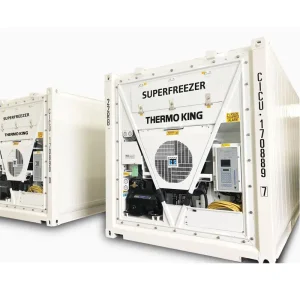
For sensitive Class 3, 4, and 5 compounds, units integrate Carrier, Daikin, or Thermo King explosion-proof reefer machinery capable of holding temperatures from -60°C up to +30°C within a ±0.25°C threshold.
Real-time satellite GPS tracking with integrated vapor-leak sensing, pressure relief trip alerts, interior shock/tilt monitoring, and ambient door seal safety logging over cloud dashboards.
Indicative FOB factory price brackets for standard dangerous cargo, offshore, and reefer inventory. Connect with engineering staff for project-specific customization.
| Equipment Type | Dimensions / Volume | Material / Unit Spec | Certifications | Indicative Price (USD) |
|---|---|---|---|---|
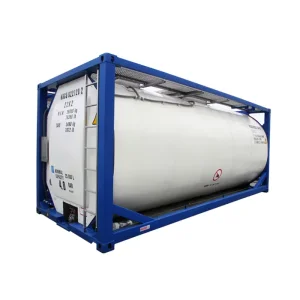
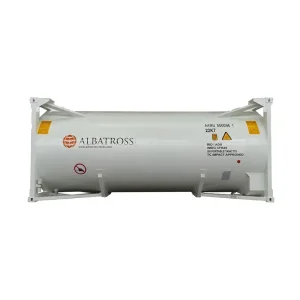
| ISO 20ft Chemical Tank Container | 20' x 8' x 8'6" (14k–26k Liters) | SS316L Vessel, 4mm-6mm, Insulated | ASME U2, IMDG T11, BV, CSC | $14,500 – $22,800 |
| ISO 20ft LPG / Liquefied Gas Tank | 20' x 8' x 8'6" (25,000 Liters) | Q345R / Q370R Low-Temp High Strength | ADR, RID, IMDG T50, ISO | $24,000 – $36,500 |
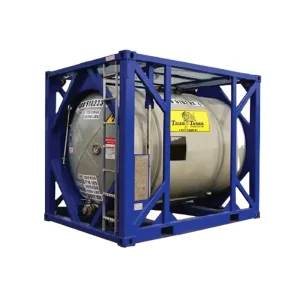
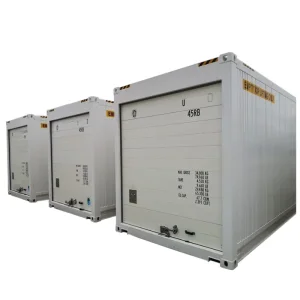
| DNV 2.7-1 Offshore Cargo Unit | 10ft / 20ft Standard Profile | Corten-A Steel, Marine Sling Set Tested | DNV GL 2.7-1, EN 12079, ISO | $6,800 – $11,500 |
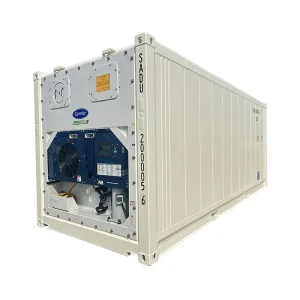
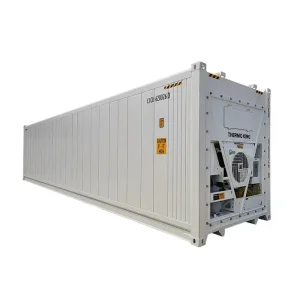
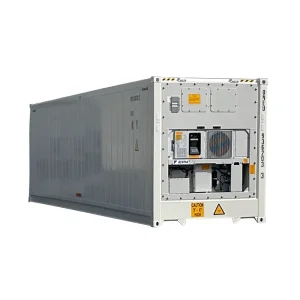
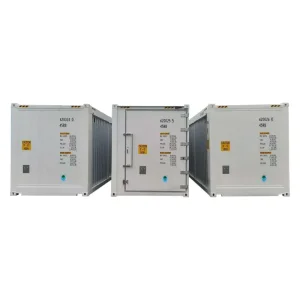
| 40ft High-Cube Active Reefer Container | 40' x 8' x 9'6" (28,300 kg Max Gross) | Daikin / Carrier / Thermo King Precision Machinery | CSC, BV, TIR, ATP Certificate | $15,500 – $23,000 |
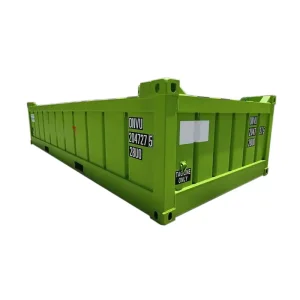
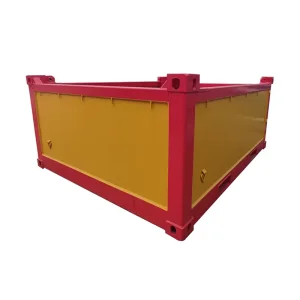
| Heavy Duty Offshore Basket / Half-Height | 10ft to 40ft Mining & Pipe Grade | Heavy Gauge SPA-H, Tie-down lash points | DNV 2.7-1, BV, ISO | $4,800 – $9,200 |
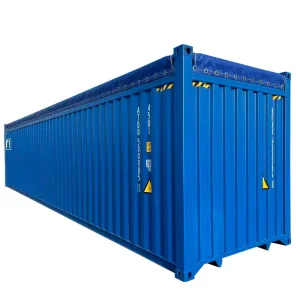
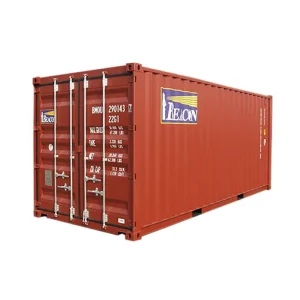
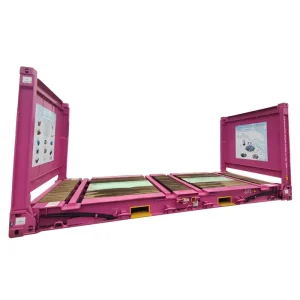
Explore heavy structural dry cargo boxes, modular open-tops, three-in-one multi-temp cold rooms, and offshore transport infrastructure.
Navigating global border inspections, port safety audits, and hazardous classification guidelines with complete documentation trace.
Every dangerous cargo container is certified by Bureau Veritas (BV), DNV, or China Classification Society (CCS). Tank units arrive stamped with valid CSC, IMDG, US DOT, and ADR/RID documentation.
Situated in Tianjin FTA Pilot Area, roughly 100 km from major seaports, CIMIC streamlines terminal dispatch, shortens intermodal lead times, and offers flexible FOB, CIF, or DDP delivery frameworks.
Our engineers provide tailored solutions, from custom spill-containment bunded flooring and vapor-recovery ports to dual-temperature partition barriers and explosion-rated ventilation systems.
Access genuine Carrier, Daikin, and Thermo King replacement parts through local network hubs spanning Europe, the Americas, Africa, and Australia to keep mission-critical cargo moving.
Technical and commercial answers addressing dangerous cargo compliance, manufacturing standards, and ordering protocols.