Factory-direct intermodal hardware engineered for cold-chain compliance, cryogenic handling, hazardous transport, and modular architecture.
From raw structural Corten steel synthesis to certified maritime coatings and port-adjacent robotics, Chinese manufacturing delivers an unassailable strategic advantage for overseas procurement operations.
Direct integration with Tier-1 domestic steel mills guarantees immediate access to certified SPA-H anti-corrosive Corten steel, marine-grade stainless steels (SUS304/SUS316), and specialty alloys without third-party import markups or transit delays.
Situated in primary industrial centers like Tianjin and Suzhou, our fabrication yards sit within 100 kilometers of deep-water hubs. This enables direct container positioning, seamless yard staging, and fast loading onto transatlantic and transpacific container liners.
Automated robotic MIG/TIG continuous seam welding lines combined with shot-blasting surface treatment systems (SA 2.5 standard) and multi-coat zinc-rich epoxy paint applications provide extreme resistance against ocean spray, UV degradation, and thermal extremes.
As decarbonization mandates, cold-chain pharmaceutical volumes, and off-grid mobile assets accelerate, intermodal equipment is evolving from static steel hulls into active, data-driven logistical apparatuses.
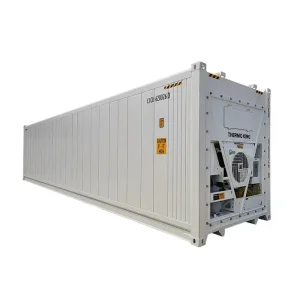
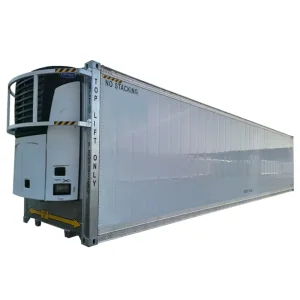
Integrated micro-controllers and cellular/satellite transceivers monitor internal temperatures, relative humidity, oxygen/CO2 balances (Controlled Atmosphere), and compressor operating metrics in real-time. Automated pre-trip inspections (PTI) and remote set-point adjustment ensure zero inventory spoilage across multimodal trade corridors.
Conventional polyurethane foam is being fortified with non-CFC cyclopentane blowing agents and vacuum-insulated panels (VIPs). This innovation delivers lower thermal conductivity (K-values below 0.32 W/m²K), dramatically reducing energy consumption during transoceanic reefer operation while maximizing cubic cargo volume.
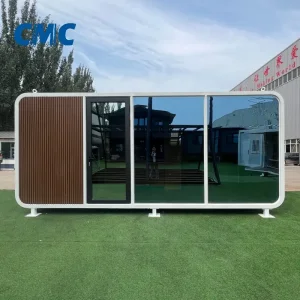
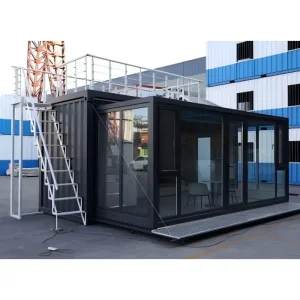
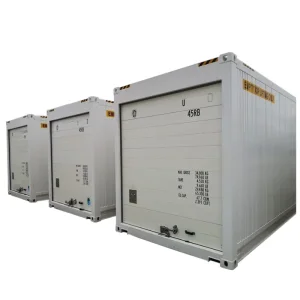
Industrial demand has shifted beyond standard shipping. Intermodal frames now serve as high-strength chassis for Battery Energy Storage Systems (BESS), mobile hyperscale data centers, hydrogen electrolyzer enclosures, and rapid-deployment modular living spaces with integrated plumbing and electrical pods.
Engineered to withstand extreme maritime environments, rigorous cross-continental railway transfers, offshore structural stresses, and harsh mining sites.
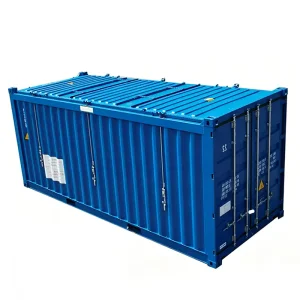
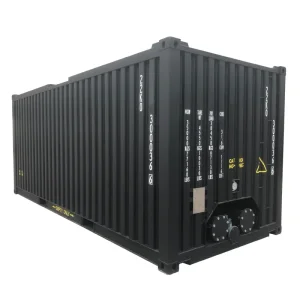
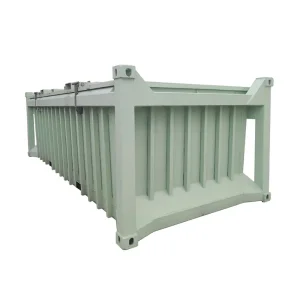
For exploration rigs operating in the North Sea or Gulf of Guinea, containers must endure dynamic wave loads and harsh weather during crane transfers. Our DNV-certified offshore dry boxes, tool baskets, and half-height bins are fabricated from high-impact structural steel rated for temperatures down to -20°C, complete with certified lifting sling sets.
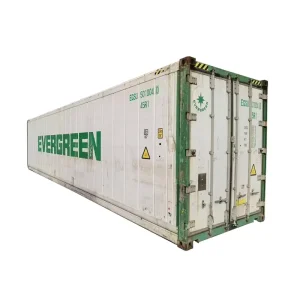
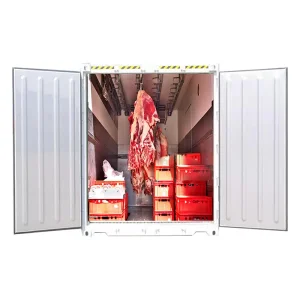
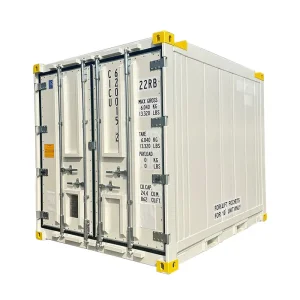
Ensuring that farm-to-table transit upholds strict sanitation standards, our hanging meat and fresh preservation reefers incorporate food-grade SUS304 interiors, reinforced extruded aluminum T-bar flooring, internal LED lighting arrays, and roof tracks capable of carrying suspended livestock carcasses up to 28,000 kg.
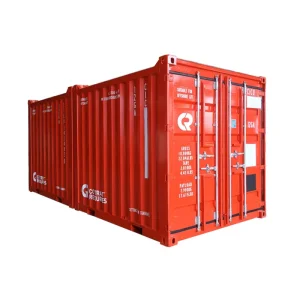
Transporting dense ores, bauxite, and concentrates requires structural reinforcements far exceeding standard intermodal parameters. Our heavy-duty half-height containers feature high-yield wear-resistant floor plates, removable or hard-top locking covers, and reinforced end-wall panels engineered to prevent bulging during high-impact loading.
We provide holistic containerized solutions for petrochemical corporations, international shipping lines, national infrastructure ministries, and emergency relief organizations.
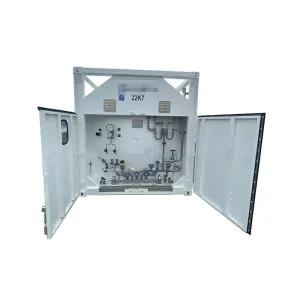
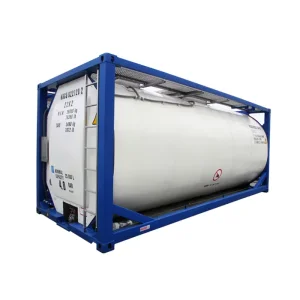
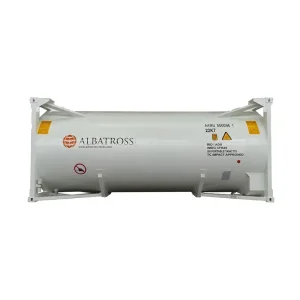
Integrated ASME-certified T11, T14, and T75 ISO tank containers designed for acids, fuels, liquid oxygen, and LNG. Tanks feature multi-layer vacuum insulation, rupture discs, emergency remote shut-off valves, and protective baffle plates engineered to dampen fluid surge during braking and acceleration.
Helping major shipping lines, equipment leasing firms, and rail carriers optimize their fleets. We coordinate standardized 20GP, 40GP, and 40HC production runs, alongside one-way export loading strategies that minimize empty positioning costs from Asia to European and North American ports.
Rapid-deploy modular expandable containers, flat-pack office clusters, and medical pods. Factory-integrated with water distribution lines, pre-wired CE/UL-compliant electrical conduits, and thermal acoustic insulation panels for deployment in disaster recovery zones, military installations, or remote worker accommodations.
Purchasing managers and fleet directors must assess four core criteria to mitigate structural failure risks and ensure global regulatory compliance.
Ensure all equipment bears a valid, authenticated CSC (Convention for Safe Containers) safety approval plate inspected and stamped by accredited classification bodies such as Bureau Veritas (BV), Lloyd's Register (LR), or Det Norske Veritas (DNV). Verify that structural yield strengths match international dynamic stacking limits (typically 216,000 kg stacking test weight for 9-high container tiers).
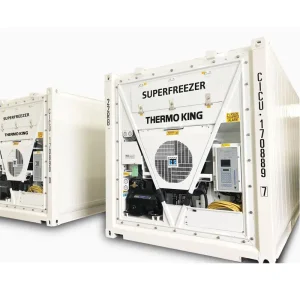
For refrigerated assets, confirm that the cooling unit is sourced through certified OEM channels (such as Carrier Transicold, Thermo King, or Daikin) with verified warranty support and software telemetry. Assess refrigerant environmental compliance (R134a, R404A, R452A, or ultra-low GWP R744 CO2) against regional environmental policies.
Inspect floorboard fabrication: standard shipping dry boxes require multi-ply apitong or bamboo flooring treated to Australian Department of Agriculture (DAFF) timber preservation standards. Reefers and sanitary units require continuous, leak-tested extruded aluminum ducting and UV-stabilized dual EPDM door gaskets to prevent air infiltration.
Answers to common technical, regulatory, and logistics questions from enterprise buyers.
Explore our certified deep freezers, offshore cargo units, open-top vessels, cryogenic tanks, and heated transport containers.