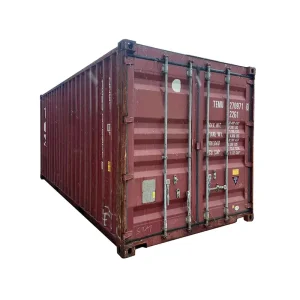
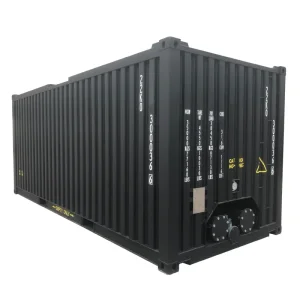
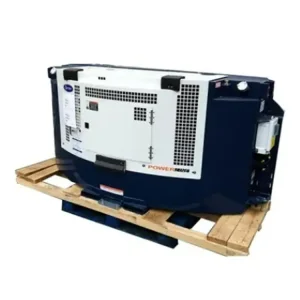
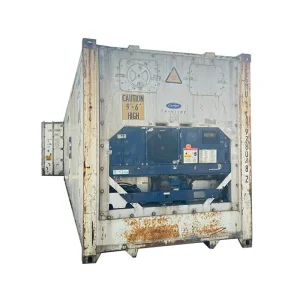
Explore immediate factory-direct production quotes for intermodal rail, certified deep-freeze marine boxes, mobile refrigeration gensets, and certified offshore logistics units.
A granular breakdown of initial acquisition costs, thermodynamics insulation aging, machinery lifecycle depreciation, and the real total cost of ownership (TCO) across 15-year service horizons.
Initial acquisition expenses vary significantly based on the refrigeration compressor platform. Thermo King Magnum Plus, Carrier Transicold PrimeLINE, and Daikin LXE models establish different baseline capital allocations.
The polyurethane (PU) foam core insulation experiences thermal degradation over time. The structural thermal conductivity (K-value) directly dictates daily power consumption (kWh/day) during prolonged ocean voyages.
Depot operational expenditure is heavily influenced by cold-chain readiness certifications, sensor calibrations, microprocessor diagnostics, and periodic refrigerant replenishment (R134a / R452A / R513A).
| Container Specification | Typical Footprint & Volume | Cooling Machinery Standard | Factory Cost Range (USD Estimates) | Operational Power Draw | Optimal Industry Application |
|---|---|---|---|---|---|
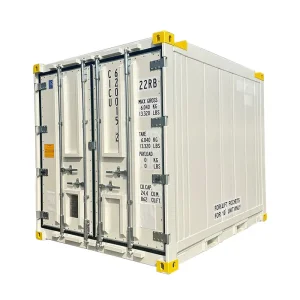
| 10ft Standard Reefer | 2,991 x 2,438 x 2,591 mm (12.4 m³) | Carrier / Thermo King Compact | $9,500 – $13,500 | 2.8 – 4.2 kW/h | Offshore Rigs, Event Catering, Pharmaceuticals |
| 20ft Standard Reefer | 6,058 x 2,438 x 2,591 mm (28.3 m³) | Carrier PrimeLINE / TK Magnum | $14,000 – $18,500 | 3.2 – 5.1 kW/h | Meat Processing, Regional Cold Logistics, Dairy |
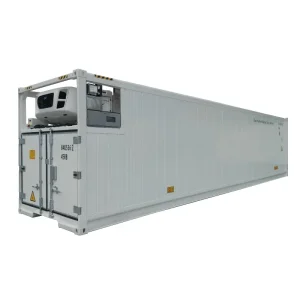
| 40ft High Cube (HC) New | 12,192 x 2,438 x 2,896 mm (67.7 m³) | Carrier PrimeLINE / Daikin Zestia | $17,500 – $24,000 | 3.6 – 6.5 kW/h | Deep-Sea Intercontinental Logistics, Seafood, Fruit |
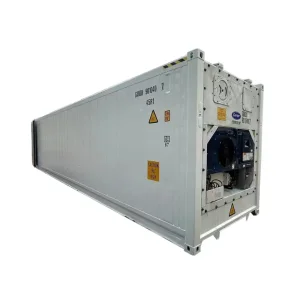
| 40ft HC Used (90% Near New) | 12,192 x 2,438 x 2,896 mm (67.7 m³) | Carrier / Thermo King (IICL PTI Pass) | $6,200 – $9,800 | 4.5 – 7.2 kW/h | Secondary Storage, Seasonal Harvest Storage, Static Cold Store |
| 45ft High Cube Belt & Road | 13,716 x 2,438 x 2,896 mm (83.2 m³) | Dual-Power Intermodal Diesel/Electric | $28,000 – $38,000 | Clip-on Genset + 4.8 kW | Eurasian Cross-Border Rail Logistics (CR Express) |
Operating dedicated production bases in Tianjin and Suzhou, our manufacturing framework couples automated laser cutting and high-density robotic foaming lines with maritime port accessibility under 100 kilometers.
Every structural rail, corner casting, and cross member is fabricated from certified atmospheric corrosion-resistant SPA-H Corten steel. Automated dual-wire robotic submerged arc welding ensures micro-crack-free structural joints capable of withstanding 9-high container vessel stack loads (216,000 kg total column burden).
Our computerized 120-meter continuous vacuum foaming injection line maintains 42 kg/m³ density distribution across all ceiling, side-wall, and door panels. By eliminating micro-cavities and thermal bridges, the system preserves low K-values and minimizes internal condenser compressor run hours under severe equatorial heat (+50°C).
With manufacturing clusters located just 100 km from Tianjin Port (North China maritime hub) and integrated logistics corridors to Shanghai and Ningbo, export clearance is streamlined. Factory-to-quay transit occurs in under four hours, slashing internal transport demurrage, vessel staging risks, and port handling friction.
The global cold-chain industry is shifting toward deep digital connectivity, carbon neutrality regulations, and ultra-accurate microclimate preservation. Here is our technological deployment schedule.
Integration of two-way Starlink and cellular 5G communication modules. Fleet managers execute real-time remote set-point adjustments, monitor relative humidity (60%-95% RH), track automated defrost cycles, and receive microsecond power surge notifications anywhere across the high seas.
In accordance with the Kigali Amendment and EU F-gas regulations, our production line is transitioning from high-GWP R404A and R134a refrigerants toward hydrofluoroolefin (HFO) blends like R513A and transcritical R744 (CO2) systems, slashing the global warming footprint to near-zero without reducing cooling enthalpy.
By pairing permanent-magnet synchronous motor (PMSM) variable frequency compressors with hybrid silica aerogel and vacuum insulation panels (VIP), our next-gen 40ft High Cube containers lower operating electricity draw from 4.8 kW/h down to 2.4 kW/h, delivering unprecedented power savings for container vessels.
From deep-sea blue water transport to ultra-rigorous pharmaceutical GDP validation and remote offshore exploration rigs, our customized container engineering solves severe thermal and structural hurdles.
Good Distribution Practice (GDP) compliant internal environments equipped with multi-point NIST-traceable calibrated thermal sensors. Guarantees uniform temperature distribution within ±0.5°C across all pallet tiers for vaccines, blood plasma, and active pharmaceutical ingredients (APIs).
Specialized cascade refrigeration systems engineered for sashimi-grade tuna, deep-water crustaceans, and premium marine proteins. Rapid blast-freezing locks cellular structure, halts enzymatic decay, and preserves moisture and nutritional profiles over multi-month transit voyages.
Equipped with active nitrogen injection and oxygen/CO2 scrubbing membranes. Extends the commercial transit lifecycle of bananas, avocados, and berries by slowing post-harvest respiration rates, enabling long-distance ocean voyages without loss of shelf life or product weight.
Heavy-duty pad eyes, certified lifting slings, and stainless steel structural reinforcements built to withstand explosive marine salt-fog environments and dynamic crane impact loading during harsh North Sea and equatorial offshore vessel transfers.
Every refrigerated box leaving our factory line carries internationally recognized classification documentation, ensuring frictionless customs clearance, port terminal acceptance, and insurance coverage worldwide.
Units are fitted with an internationally registered International Convention for Safe Containers (CSC) safety approval plate. Validated under ISO 1496-2 specifications for thermal performance, air tightness, and structural transverse racking stiffness.
Comprehensive third-party classification societies (BV, ABS, CCS, DNV) witness non-destructive weld testing (NDT), pull-down thermal trials, electrical insulation breakdown tests, and static load test parameters before final release.
Certified for cross-border road and rail perishable transport under the Agreement on the International Carriage of Perishable Foodstuffs (ATP), rated Class FRC (mechanically refrigerated with heavy insulation achieving internal -20°C in +30°C ambient).
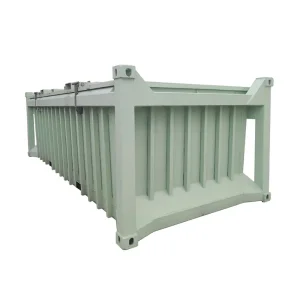
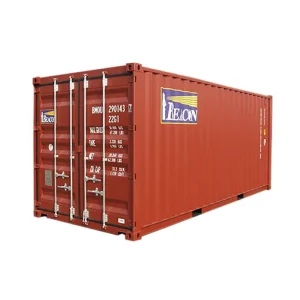
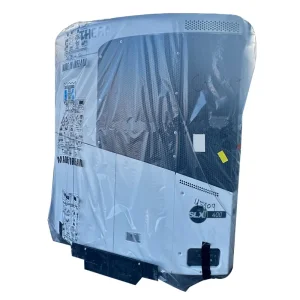
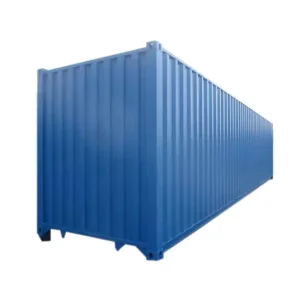
Review high-cube dry cargo boxes, offshore ore carriers, mobile generator-powered cooling systems, and specialized liquid transport containers built to strict ISO and DNV standards.
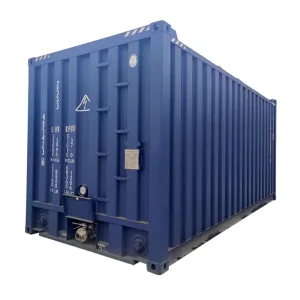
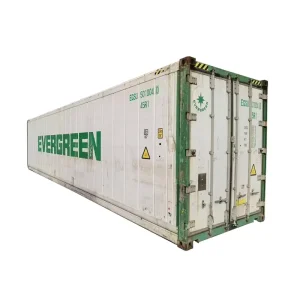
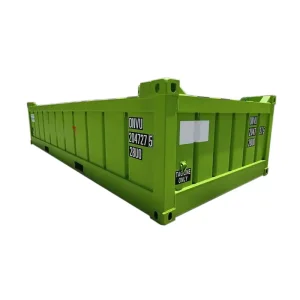
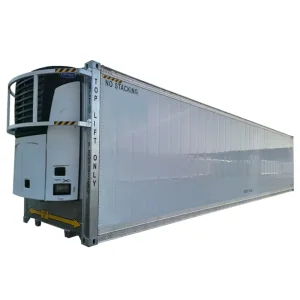
Executing high-volume reefer container acquisitions requires strict phase gating to protect capital, guarantee class certification, and prevent thermal non-compliance upon receipt.
Enterprise buyers submit specific operational parameters: target cargo thermal set-point (-30°C to +30°C), atmospheric ventilation CFM requirements, door layout (standard double door, butcher door, side-open curtain, roll-up shutter), and power source (380V/460V 3-phase 50/60Hz).
Our Tianjin engineering office generates CAD/SolidWorks structural blueprints. Floor profiles (T-bar airflow floor vs flat non-slip aluminum plate) are stress-modeled via Finite Element Analysis (FEA) to ensure forklifts up to 7,260 kg axle loads can navigate safely without floor buckling.
Upon steel profiling, Corten priming, and PU wall injection, units receive new or reconditioned Carrier/Thermo King/Daikin refrigeration modules. Units undergo mandatory pre-delivery continuous automated PTI cycles, logging temperature pull-down curves from ambient +30°C down to -20°C in under 120 minutes.
Authoritative answers addressing operational thermodynamics, electrical compliance, machinery reliability, and container export logistics straight from our certified engineering desk.
The quote is governed by four primary variables: container structural dimension (10ft, 20ft, 40ft High Cube, 45ft rail), refrigeration brand/model (Carrier PrimeLINE, Thermo King Magnum Plus, Daikin Zestia), condition (brand new factory build vs. 90% new reconditioned used unit), and customized engineering modifications (such as side-opening doors, internal butchery hanging tracks, dual-temperature zone partitions, or clip-on diesel generator sets).
New units require a higher initial capital outlay (CAPEX) but deliver an optimal insulation K-value (≤ 0.32 W/m²·K), minimal electrical power consumption, full manufacturer warranty coverage (typically 3 to 5 years on machinery), and lower maintenance expenditure. A 90% new reconditioned unit reduces initial purchase cost by roughly 50% to 60%, making it ideal for static on-site cold storage or regional trade lanes where peak energy efficiency is balanced against lower asset utilization.
Standard ISO marine refrigerated containers require a 380V / 460V 3-phase dual-frequency (50Hz / 60Hz) electrical power supply with a 32A CEE-form waterproof pin plug. For intermodal trucking, rail hauls, or remote sites lacking dedicated grid tie-ins, a dedicated clip-on or underslung diesel generator set (genset) producing continuous 15 kW to 18.75 kVA output is required to ensure unbroken refrigeration.
A PTI is an exhaustive diagnostic sequence programmed into the unit's microprocessor. It verifies system pressures, refrigerant charge, sensor accuracy, high-pressure safety cut-outs, evaporator fan speeds, electric defrost heater functionality, and compressor current draw. Before any reefer leaves our depot or factory dock, a comprehensive digital PTI pass log and pull-down temperature record are permanently archived and supplied to the buyer.
T-bar aluminum flooring is engineered specifically for active sea transit, creating bottom-up airflow channels that force cold air through cargo pallet voids to preserve core pulp temperatures. Flat aluminum or checkered non-slip floors are deployed when containers function primarily as static walk-in cold rooms or distribution storage hubs, allowing easy pallet jack maneuverability, hand-cart loading, and daily sanitation washdowns.
Yes. Modern marine refrigeration units are bi-directional micro-climate systems. They maintain precise cargo set-points ranging from deep freeze (-30°C or optional ultra-low -60°C) all the way up to +30°C. When operating in sub-zero Arctic or winter transit environments, the unit automatically energizes electric heating elements or shifts into hot-gas bypass mode to prevent sensitive agricultural produce or pharmaceutical liquids from freezing.
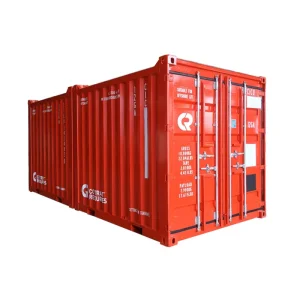
Offshore containers operating on oil and gas platforms, offshore exploration rigs, or marine support vessels must strictly comply with DNV 2.7-1 (EN 12079) engineering standards. This mandates high-tensile structural steel frames capable of dynamic offshore crane impacts, certified marine pad eyes, non-destructive weld testing (NDT), lifting sling assemblies, and spark-resistant ATEX/IECEx electrical safety enclosures.
Corrosion protection involves a multi-layer metallurgical and coating defense system: SPA-H Corten alloy steel for the primary load-bearing chassis, muffler grade stainless steel (MGSS) or aluminum outer skin panels, food-grade SUS304 stainless steel interior wall linings, zinc-rich epoxy primers, and polyurethane marine finish topcoats with dry film thickness (DFT) exceeding 120 microns to resist saline spray and salt condensation.
