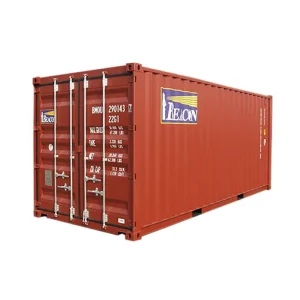
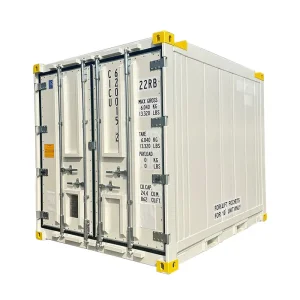
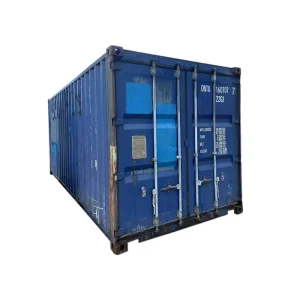
Standard and specialized logistics intermodal containers engineered to CSC, BV, ISO, and DNV maritime certifications.
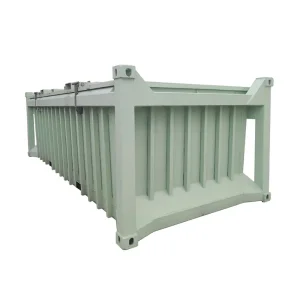
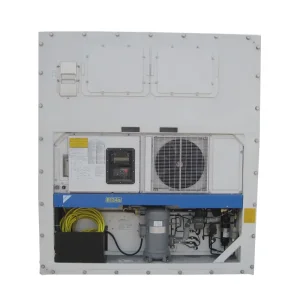
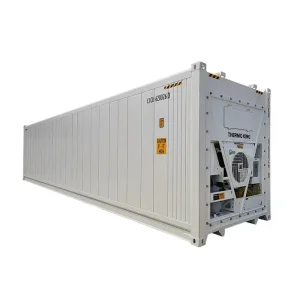
Moving beyond raw CapEx to evaluate lifecycle power draw, thermal retention (K-Value), and residual asset valuation across international shipping lanes.
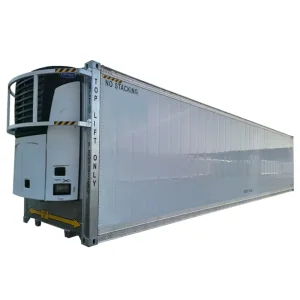
In global intermodal logistics, the acquisition of a refrigerated container (reefer) represents a major capital expenditure that directly impacts operational profitability. Enterprise buyers frequently make the strategic error of evaluating reefer container costs strictly on upfront invoice price (CapEx). However, empirical cold-chain telemetry reveals that the initial procurement price accounts for merely 15% to 22% of the container's aggregate Total Cost of Ownership (TCO) across a typical 15-year lifecycle. The remaining 78%+ is dominated by operational power consumption, refrigerant compliance retrofits, maintenance cycles, and thermal degradation losses.
As a leading Chinese container manufacturer operating since 1983, CIMIC Group engineers maintain strict transparency regarding the cost distribution within a certified refrigerated container:
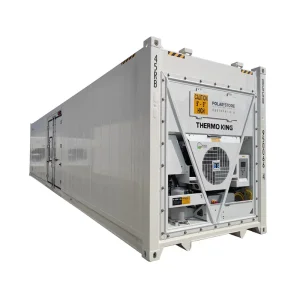
The cooling engine accounts for the largest fraction of production costs. We integrate tier-1 global platforms: Thermo King Magnum Plus, Carrier Transicold PrimeLINE / ThinLINE, and Daikin LXE10E scroll compressor units, ensuring multi-voltage compatibility (380V/460V 3-phase, 50/60 Hz) and R134a/R513A low-GWP readiness.
High-tensile SPA-H Corten atmospheric corrosion-resistant steel forms the external framework, base rails, and corner castings. Interior lining uses food-grade SUS 304 / 316 stainless steel panels with heavy-gauge extruded aluminum T-bar airflow flooring capable of enduring heavy pallet-truck loading (ISO 1496-2 standards).
High-pressure automated injection of 100% CFC-free Cyclopentane-blown polyurethane (PU) rigid foam with density ratings strictly calibrated between 42 to 45 kg/m³. This prevents internal delamination, eliminates thermal bridging, and preserves the container's structural K-factor over decades of oceanic service.
| Container Specification | Dimensions (L × W × H) | Cooling Engine Options | Operating Temp Range | Thermal K-Value | Estimated CapEx Range (FOB China) |
|---|---|---|---|---|---|
| 20ft Standard ISO Reefer | 6,058 × 2,438 × 2,591 mm | Carrier ThinLINE / Daikin | -30°C to +30°C | ≤ 0.36 W/(m²·K) | $10,500 – $14,800 USD |
| 40ft High Cube ISO Reefer | 12,192 × 2,438 × 2,896 mm | Carrier PrimeLINE / Thermo King | -35°C to +30°C | ≤ 0.34 W/(m²·K) | $14,500 – $19,500 USD |
| 40ft Deep-Freeze Ultra Reefer | 12,192 × 2,438 × 2,896 mm | Thermo King SuperFreezer | -60°C to +10°C | ≤ 0.28 W/(m²·K) | $28,000 – $36,000 USD |
| DNV 2.7-1 Offshore Reefer (10ft/20ft) | Custom DNV Certified Spec | Hazardous Area ATEX Certified | -25°C to +20°C | ≤ 0.32 W/(m²·K) | $22,000 – $34,500 USD |
| 90% New Inspected Fleet Reefer | 12,192 × 2,438 × 2,896 mm | Carrier / Daikin Pre-tested | -25°C to +25°C | ≤ 0.40 W/(m²·K) | $5,200 – $7,900 USD |
From digital twin telematics to ultra-low GWP refrigerants, how global enterprise buyers are future-proofing cold chain assets against tightening regulatory mandates.
The global refrigerated container fleet is experiencing a structural revolution driven by stringent IMO 2030/2050 decarbonization mandates, the Kigali Amendment on HFC phase-downs, and the integration of IoT telemetry. Global cold-chain stakeholders—including liner operators (e.g., Maersk, MSC, Hapag-Lloyd), pharmaceutical logistics conglomerates, and fresh agricultural exporters—now impose technical criteria that render older, unmonitored reefers obsolete.
Historically, R134a has dominated marine refrigeration. However, tightening European Union F-Gas regulations and North American EPA AIM Act rules are penalizing high-GWP substances. Forward-looking buyers are transitioning toward R513A (GWP of 631, a 56% reduction compared to R134a) and natural refrigerant systems utilizing R744 (Carbon Dioxide - CO2, GWP = 1), such as Carrier Transicold’s NaturaLINE. While R744 systems entail a 12% to 18% higher initial machinery cost due to high operating pressures (exceeding 100 bar), they deliver unprecedented regulatory immunity and lower long-term maintenance costs in eco-conscious ports.
A static container is no longer sufficient for institutional procurement. Modern reefer units manufactured at our facilities come equipped with integrated cellular/satellite modem bridges (supporting ORBCOMM, Traxens, or Sensitech architectures). These telemetry arrays transmit real-time telemetry: supply/return air temperatures, relative humidity (RH%), USDA cold-treatment core probe data, defrost cycle timing, and power consumption spikes. Predictive algorithms detect compressor bearing wear or valve seat leakage days before physical failure occurs, preventing millions in cargo spoilage.
Systems like Daikin Active CA or Carrier XtendFRESH actively scrub CO2 and regulate O2 levels to slow the metabolic respiration of climacteric fruits (e.g., avocados, bananas, mangoes), extending shelf life up to 45 days at sea.
Permanent magnet synchronous motor (PMSM) inverters modulate compressor RPM smoothly based on real-time load, eliminating power surges and reducing energy consumption by up to 35% during steady-state chilled transit.
Engineered transverse insulated bulkheads allowing a single 40ft container to maintain dual distinct temperature zones (e.g., -20°C frozen goods in front, +4°C chilled produce in back) for regional grocery distribution.
How CIMIC Group leverages four decades of engineering heritage, automated robotic assembly, and North China seaport integration to drive down global procurement costs.
Founded in 1983, CIMIC Group (Tianjin Cimic Imp&Exp Co., Ltd.) has grown alongside China’s modern industrialization into a benchmark manufacturer of marine, offshore, and modular containers. Our industrial infrastructure across Tianjin and Suzhou embodies the principles of China’s Smart Factory 4.0 initiative, combining high-speed automated fabrication with meticulous craftsmanship certified by Bureau Veritas (BV) and ISO 9001/14001/45001.
A primary hidden cost in container procurement is inland transportation from factory floor to seaport loading gantry. Facilities situated deep inland can incur between $800 to $1,800 USD per unit in highway transit tolls and repositioning drayage. CIMIC’s primary manufacturing and depot hubs sit approximately 100 kilometers from the Port of Tianjin—the premier maritime gateway in North China. This location allows us to deliver finished reefers, certified dry boxes, and DNV offshore units directly to terminal container yards (CY) within two hours of factory sign-off.
Full-penetration longitudinal seam welding executed by precision multi-axis robotic gantries eliminates human fatigue defects, ensuring uniform structural integrity capable of enduring 9-high fully loaded stacking at sea.
Closed-mold hydraulic foaming jigs maintain steady 60°C curing conditions during polyurethane injection. This ensures an isotropic foam structure with zero voids or density stratification across 40 feet of wall length.
Every reefer undergoes a 4-hour Pre-Trip Inspection (PTI) test, automated helium vacuum leak testing on refrigeration coils, 100% water spray tightness tests, and CSC safety plate document sign-off by BV surveyors.
How engineered container modifications resolve critical operational challenges across marine, rail, industrial energy, and municipal infrastructure.
Standard ISO 20ft and 40ft High Cube reefers engineered for high-density vessel stowage. Equipped with heavy-duty T-bar floorings designed for seamless circulation of chilled airflow under standard 1,200 × 800 mm Euro-pallets and 1,200 × 1,000 mm ISO pallets.
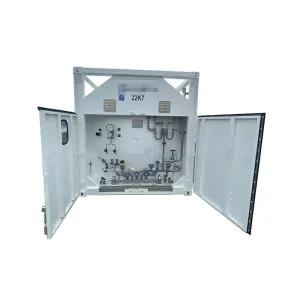
Fabricated under stringent DNV 2.7-1 / EN 12079 standards for dynamic lifting onto offshore oil rigs and supply vessels. Features blast-resistant Corten walls, offshore certified wire rope lifting slings, and ATEX Zone 1 / Zone 2 explosion-proof cooling units.
Deployable stationary walk-in cold rooms located directly at farm gates or packing houses. These units provide quick pulldown cooling for berries, leafy vegetables, and table grapes immediately after harvesting, halving field heat losses.
GDP-certified temperature-validated reefer containers holding tight tolerances between +2°C to +8°C or -20°C frozen biologicals. Fitted with triple-redundant NIST-traceable temperature logging and auto-dialing acoustic-optical alarms.
Custom-engineered with full-length bi-fold lateral side doors. This allows forklifts or manual pallet operators to directly access any section of cargo without having to shuffle pallets from the rear door, reducing dock labor time by 60%.
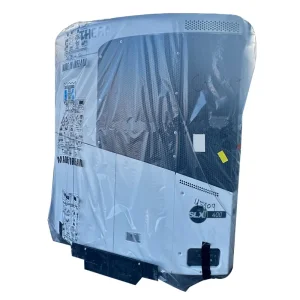
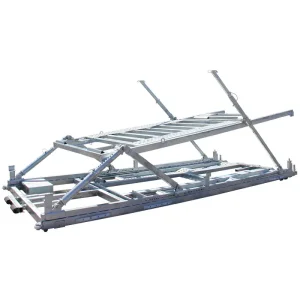
Fitted with clip-on or underslung diesel generator sets (such as our Famous TK SLXI mobile units). This configuration provides continuous, uninterrupted electrical power across 3,000-mile cross-continental railway journeys.
Straightforward answers from CIMIC Group's chief container engineers regarding specifications, warranty, electrical supply, and international export documentation.
Complete portfolio of intermodal equipment engineered for specialized industrial and project cargo operations.