Select precision-built ISO storage systems featuring Corten steel containment, cryogenic capability, and modular expandability.
Evaluating why multinational manufacturing, logistics, and resource extraction firms favor ISO shipping container conversions over traditional static brick-and-mortar warehousing.
Constructing industrial-grade ground warehouses demands extensive zoning approval, architectural underwriting, and an amortization cycle of 15 to 30 years. Converting standardized ISO containers slashes initial capital outlay by up to 68% while delivering fully deployable asset liquidity.
Up to 68% CapEx SavingsModern supply chains rely on just-in-time logistics. When regional manufacturing hubs shift, standard ISO 20ft and 40ft units allow assets, raw materials, or specialized components to be relocated immediately via skeletal semi-trailers or intermodal rail without decanting contents.
100% Mobile ContinuityManufactured from SPA-H Corten steel, storage containers resist galvanic oxidation, chemical atmospheric corrosion, and gale-force wind loading. Integrated elastomeric gaskets and heavy-duty cam-locking hardware prevent moisture intrusion and rodent ingress.
C5-M Marine DurabilityProcurement teams evaluating container assets against industrial pole barns or light pre-engineered buildings must calculate 25-year structural integrity, secondary resale price stabilization, and elimination of localized municipal property tax brackets associated with permanent foundations.
Engineering specifications, estimated global FOB baseline rates (North China Port Hubs), and structural payload metrics.
| Container Classification | Dimensions (L × W × H) | Structural Tare Weight | Internal Volume | Max Payload (kg) | Indicative Price (USD / Unit) |
|---|---|---|---|---|---|
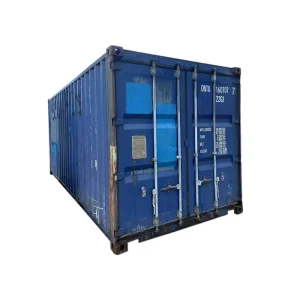
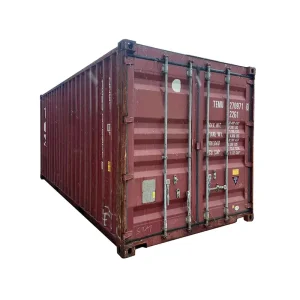
| 20ft Standard Dry (One-Trip New) | 6,058 × 2,438 × 2,591 mm | 2,200 kg | 33.2 m³ | 28,280 kg | $1,850 - $2,300 |
| 40ft High Cube Dry (CW / Cargo-Worthy) | 12,192 × 2,438 × 2,896 mm | 3,900 kg | 76.4 m³ | 28,600 kg | $1,650 - $2,150 |
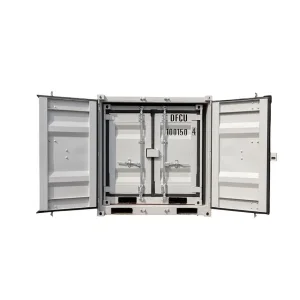
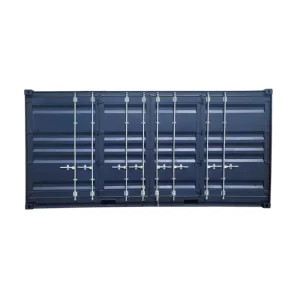
| 20ft Customized Side-Door Unit | 6,058 × 2,438 × 2,591 mm | 2,850 kg | 31.8 m³ | 27,630 kg | $3,200 - $4,100 |
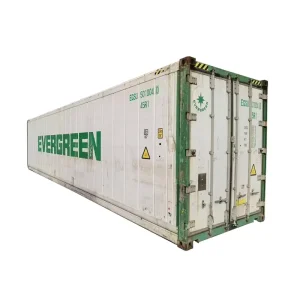
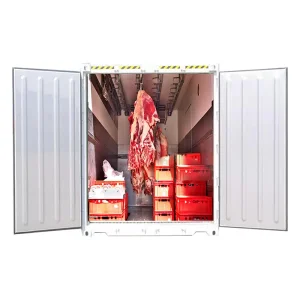
| 40ft HC Reefer Cold Storage (Carrier/Thermo King) | 12,192 × 2,438 × 2,896 mm | 4,600 kg | 67.9 m³ | 29,400 kg | $11,800 - $16,500 |
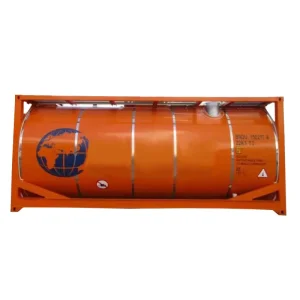
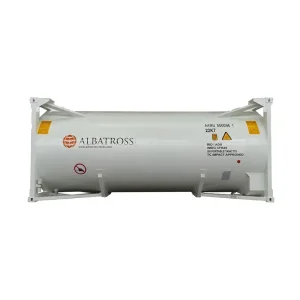
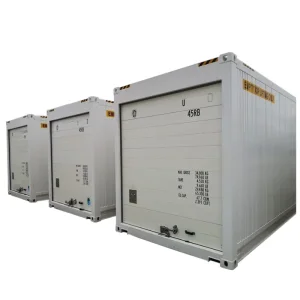
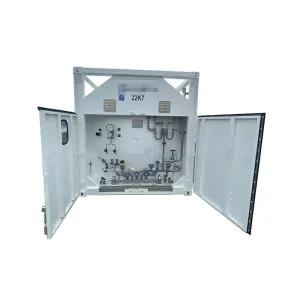
| T75 20ft Cryogenic Tank Unit | 6,058 × 2,438 × 2,591 mm | 8,200 kg | 20,000 L | 27,800 kg | $26,000 - $35,000 |
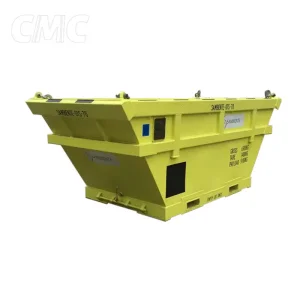
| DNV 2.7-1 Offshore Silt Basket / Cargo Unit | Custom Rig Specs | Variable | Variable | Certified SWL | Direct Quote Only |
*Disclaimer: Industrial pricing fluctuated according to global hot-rolled steel pricing (SHFE/LME), raw polyurethane foam costs, and international freight indexes. Contact our engineering group for formal pro-forma invoicing.
How diversified industrial sectors deploy specialized modular enclosures to solve operational bottleneck risks.
Deploying DNV 2.7-1 and EN 12079 certified dry-cargo skid baskets, tools vaults, and specialized T75 ISO tank units for remote drill sites, offshore oil rigs, and solar field balance-of-plant staging.
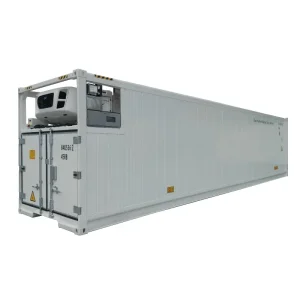
Utilizing modified 40ft High Cube reefer units featuring micro-atmosphere control and digital datalogging to create decentralized fruit, vegetable, meat, and pharma processing hubs straight at farm-gate.
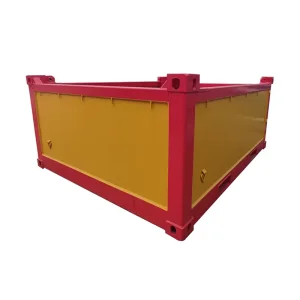
Utilizing heavy-gauge, half-height ore containers and reinforced open-top units engineered with high yield stress parameters (355 MPa) designed for severe heavy cycling, heavy aggregates, and high abrasive materials.
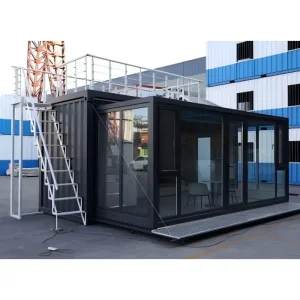
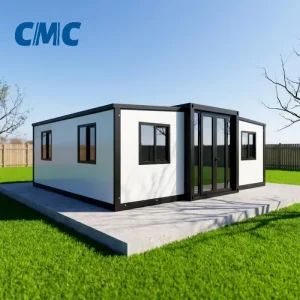
Rapid deployment of nesting mini-containers (4ft to 12ft) and expandable modular site shelters for tool cribs, explosive-proof hazardous materials cabinets, and high-security architectural field installations.
Transitioning from passive maritime boxes to smart, digitized, self-diagnosing containment nodes for AI-driven logistics networks.
Future storage containers come equipped with mesh wireless telemetry, continuous dew-point sensing, structural deflection gauges, and optical door sensors linked via satellite backhaul (NB-IoT/Starlink) for real-time asset oversight.
Transitioning towards advanced nano-ceramic thermal barrier coatings (TBC) capable of rejecting 94% of solar infrared radiation, coupled with waterborne fluorocarbon paint systems that eliminate VOC emissions while extending overhaul intervals to 20 years.
Integration of bi-fold side automated roller assemblies, power-assisted pneumatic ramps, and automated guided vehicle (AGV) docking interfaces that turn static container yards into autonomous warehouse micro-fulfillment hubs.
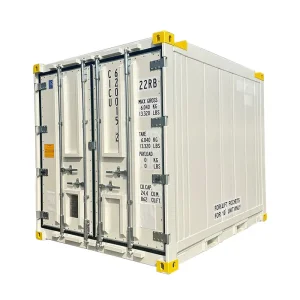
Engineered refrigerated solutions, DNV-rated offshore containment, and modular expandable living/storage housing units.
Guaranteeing structural legitimacy, classification society certifications, and frictionless port-of-entry custom clearances.
Every dry cargo, insulated, and refrigerated container exported is built in accordance with ISO 668, ISO 1496, and bears a valid International Convention for Safe Containers (CSC) data plate certified by Bureau Veritas (BV) or CCS, verifying racking, stacking, and floor shear capacities.
For reefer and temperature-controlled storage applications, units undergo comprehensive pre-trip inspections (PTI) verifying compressor efficiency, refrigerant charge levels (R134a/R404a/R452A), micro-controller software calibration, and insulated panel vacuum integrity prior to departure.
With strategic operational yards across Tianjin and Suzhou located ~100 km from major seaports, our logistics engineers orchestrate full Bill of Lading (B/L) execution, Certificate of Origin legalization, fumigation certification for hardwood plywood floors, and duty optimization paperwork for export destination clearance.
Direct answers to technical queries concerning foundation requirements, condensation control, structural lifespan, and customization parameters.
