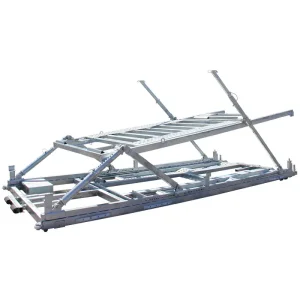
Engineered for harsh sea conditions, certified for international ISO/CSC, DNV 2.7-1, and Bureau Veritas maritime transit standards.

In modern intermodal supply chains, securing certified marine hardware requires navigating geopolitical shifting, stringent environmental regulations, and demanding lifecycle expectations. For global supply chain directors, fleet procurement heads, and infrastructure contractors, the requirement for standard dry containers, multi-temperature reefer boxes, and offshore certified skids transcends basic off-the-shelf purchasing. Modern operations demand high-integrity Original Design Manufacturer (ODM) ocean container solutions configured specifically for severe structural loads, rapid terminal turnaround, and harsh marine microclimates.
Headquartered strategically across Tianjin and Suzhou with rapid multi-lane connectivity to key deep-water ports (within ~100 km), CIMIC Group (Tianjin Cimic Imp&Exp Co., Ltd.) combines over 40 years of precision production lineage with modern robotic fabrication. We empower cross-border buyers across North America, Europe, Latin America, Africa, and Australia with high structural reliability, complete Bureau Veritas (BV) and DNV safety compliance, transparent ocean procurement quotes, and rapid OEM/ODM design iteration cycles.
Analyzing the technological and structural advantages that solidify Chinese marine container manufacturing as the backbone of global maritime commerce.
Our facilities utilize robotic seam welding paired with atmospheric corrosion-resistant SPA-H / Corten-A steel. This automated metallurgy eliminates micro-porosity along structural sills and corner casting interfaces, mitigating salt-fog corrosion across intercontinental shipping lanes.
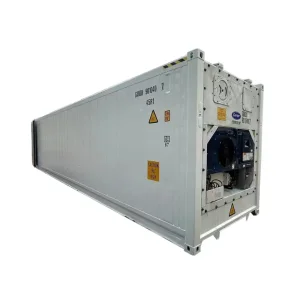
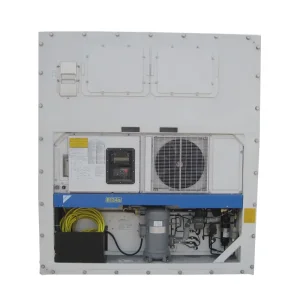
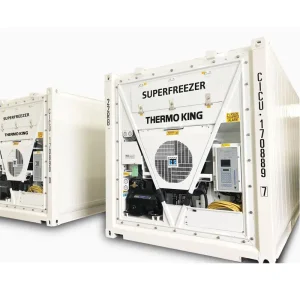
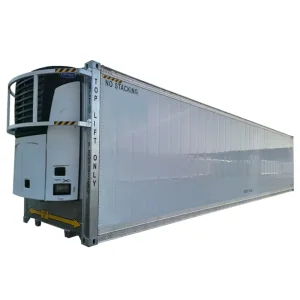
In our cold-chain and dangerous goods production lines, automated high-density polyurethane (PU) foaming rigs apply insulation with zero thermal bridging. This automated dosing guarantees ultra-low heat leakage values, directly cutting power draw when coupled with Carrier, Daikin, or Thermo King refrigeration units.
Every unit undergoes strict structural verification, including corner post racking tests, floor deflection assessments under 7,260 kg axle loads, watertightness checks under high-pressure water jets, and Bureau Veritas certification before departure from our port yards.
Strategic dynamics driving industrial buyers toward customized ODM engineering over generic spot-market containers.
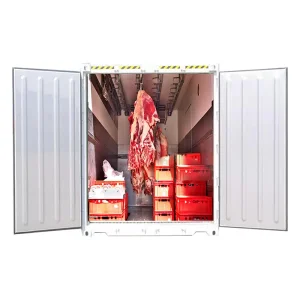
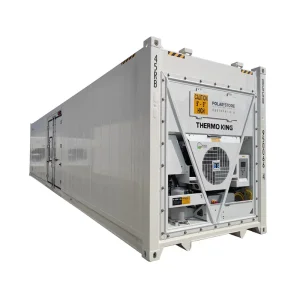
Surging worldwide trade in fresh produce, marine proteins, and biological pharmaceuticals has amplified demand for precision high-cube reefer containers. Importers increasingly request customized side-opening access doors, double butcher hanging rails, and controlled atmosphere (CA) capabilities to curb cargo spoilage across long ocean voyages.
The global deployment of utility-scale Battery Energy Storage Systems (BESS) and hydrogen generating equipment has turned standard maritime containers into modular electrical enclosures. These modified containers demand non-combustible A60 insulation, specialized explosion relief dampers, and calibrated floor reinforcements engineered to support heavy static loads.
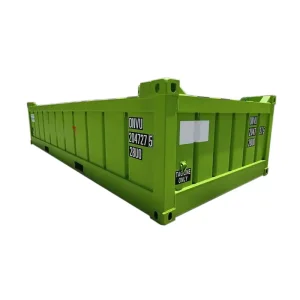
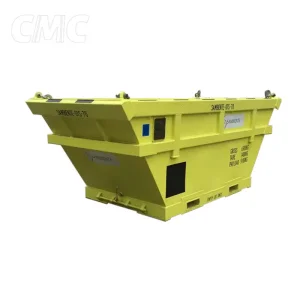
Offshore oil platforms, marine wind installations, and deep-sea dredging operations operate beyond standard shipping parameters. Purchasing managers require specialized units certified under DNV 2.7-1 / EN 12079, with built-in four-point lifting sling lugs, half-height open tops for dense ore carriage, and robust silt basket frames.
From heavy commercial transport to remote decentralized infrastructure, containers deliver modular structural utility.
By integrating custom vehicle transport racks into standard 40ft High Cube containers, automotive shippers eliminate car-carrier vessel space constraints. This engineering setup allows the secure, multi-tier transport of SUVs, sedans, and electric vehicles across container vessels, rail flatcars, and flatbed trucks.
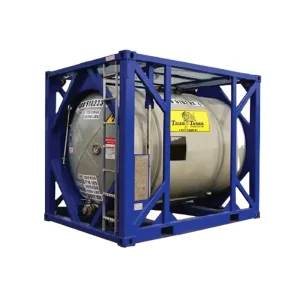
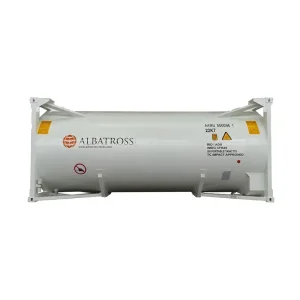
Our 25,000-liter ISO 20ft tank containers deliver multi-modal flexibility for hazardous industrial chemicals, liquefied gases, and food-grade liquids. Built with 316L stainless steel vessels inside Corten framework, they eliminate costly transloading steps between ocean container ships, rail cars, and distribution terminals.
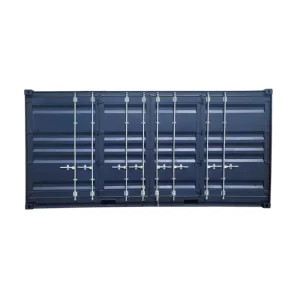
In regions with limited permanent cold-storage infrastructure, customized side-open reefer containers function as plug-and-play cold-room hubs. Equipped with Carrier X4 or Daikin commercial chilling units, these containers maintain temperature set-points from -35°C to +30°C in high ambient heat environments.
When requesting quotations from Chinese container manufacturers, procurement professionals should evaluate the complete lifecycle cost structure rather than simple baseline unit prices. Transparent quotes divide procurement into three distinct cost phases:
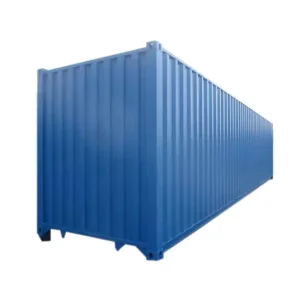
1. Raw Material Metallurgy & Paint Standards: The baseline price of dry freight boxes correlates directly with the global price of Corten-A steel, which accounts for roughly 55-65% of overall fabrication costs. Corrosion-prone environments mandate a complete three-coat marine epoxy/polyurethane paint system with minimum dry film thickness (DFT) exceeding 120 microns, along with zinc-rich primer to prevent early rusting under maritime salt-spray exposure.
2. IncoTerms & Port-Side Positioning: Procuring on an FOB Tianjin or FOB Qingdao basis allows enterprise buyers to leverage long-term ocean carrier freight agreements. For buyers looking to avoid empty repositioning fees, CIMIC arranges "One-Way Cabotage Free-Use" agreements, where export containers carry qualifying dry cargo on their maiden voyage to discharge ports across Europe or the Americas, substantially reducing transit costs.
3. ODM Customization Protocols: Developing custom units—such as dangerous goods containers with lower bunded floors, explosion-proof extraction louvers, side-open cargo doors, or insulated hanging-meat rails—requires rigorous finite element analysis (FEA) modeling, structural prototyping, and third-party witness testing by classification societies (BV, DNV, or ABS) before mass production begins.
Clear answers to the structural, commercial, and regulatory questions asked by international container buyers.
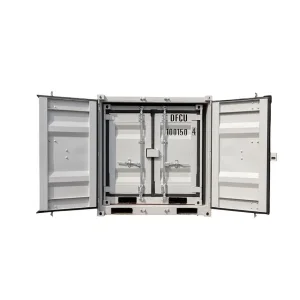
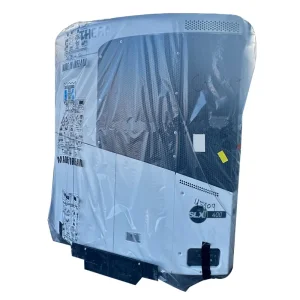
Precision-fabricated logistics gear, dry cargo solutions, and mobile cooling installations available for global ocean dispatch.