Precision engineered intermodal and offshore units built to withstand brutal maritime exposure, high structural stacking thresholds, and active global transit protocols.
Navigating the intersection of structural decarbonization, smart intermodal connectivity, and aggressive international shipping performance regulations.
Global steamship lines (Maersk, MSC, CMA CGM) demand stringent Scope 3 emissions transparency. Modern manufacturing shifts toward scrap-recycled Corten-A (SPA-H) metallurgy paired with ultra-low VOC, waterborne zinc-silicate shop primers that prevent marine salt blister corrosion while reducing manufacturing carbon footprint by up to 28%.
The standard "dumb" ISO box is becoming a connected edge asset. Modern steamship units integrate internal multi-sensor mesh networks monitoring continuous G-force shocks, volatile organic compounds, door micro-switch access logs, ambient relative humidity, and cold-chain temperature variations powered by solar-harvesting photovoltaic roof strips.
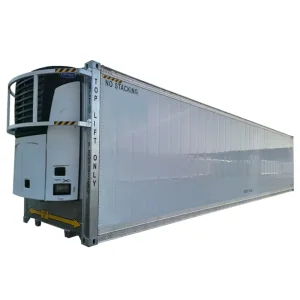
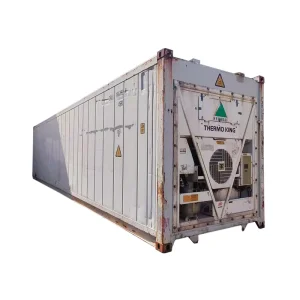
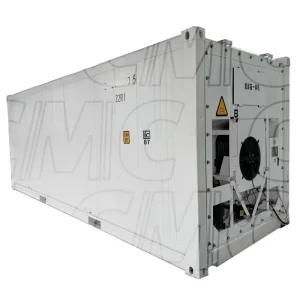
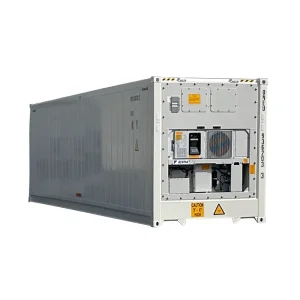
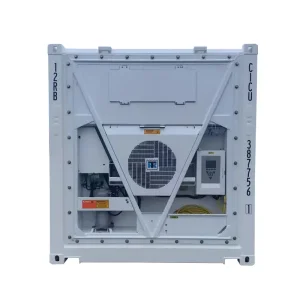
Global pharmaceutical logistics and fresh produce integrity require micro-climate stability. Integration of scroll inverter variable-speed compressors, dynamic Controlled Atmosphere (CA) gas scrubbers, and vacuum insulation panels (VIP) eliminates thermal bridges, maintaining strict +/-0.25°C tolerances across 40-day transpacific voyages.
Navigating capital allocation, total cost of ownership (TCO), and engineering tolerances for tier-one maritime logistics operators.
Procuring industrial maritime containers involves high-stakes risk management. Bulk container buyers face early structural degradation caused by inferior secondary steel mills masquerading as Corten steel, floor board delamination under aggressive forklift axle loadings, and non-compliant CSC certification causing costly port detentions.
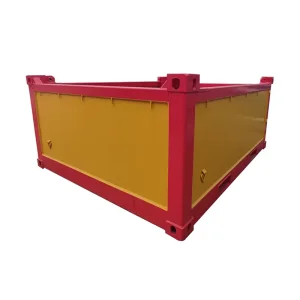
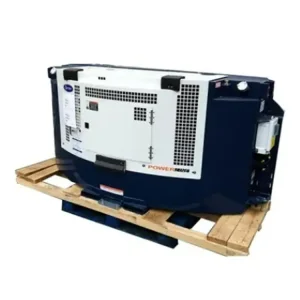
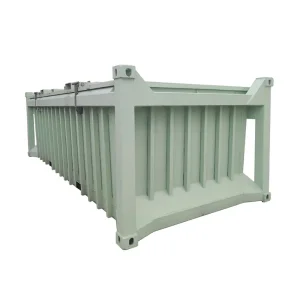
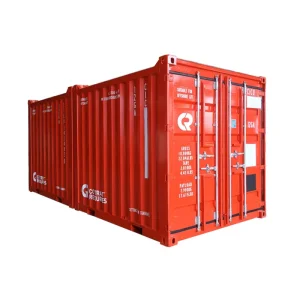
Furthermore, standard off-the-shelf sea containers frequently fail to accommodate specialized cargo geometries. Mining operations require high-density half-height bulk containers; offshore exploration mandates DNV 2.7-1 dynamic lift compliance; and pharmaceutical exporters require redundant electric and diesel refrigeration integration.
Procuring true atmospheric weathering steel (Corten Grade A - ASTM A242 / SPA-H JIS G3125) produces a dense, self-healing iron oxide patina that halts oxidation penetration into deep crystalline grain structures, extending container sea-life from 8 years to upwards of 25 years under high-salinity exposure.
| Audit Parameter | Standard ISO Spec | CIMIC Industrial Standard |
|---|---|---|
| Steel Substrate | Commercial Mild Steel / Q235B | Prime SPA-H Corten High Weathering |
| Corner Post Loading | 86,400 kg (6-High Stack) | 192,000 kg (9-High Stack Certified) |
| Coating System | Solvent Alkyd (80-100 µm) | Waterborne Epoxy Zinc Primer + Polyurethane (140+ µm) |
| Floor Axle Rating | 5,460 kg (ISO 1496 Test) | 7,260 kg Reinforced Axle Floor Capacity |
| Weld Integrity | Visual Sampling | 100% Robotic Submerged Arc + Ultrasonic Testing |
Deconstructing the engineering tolerances, framing geometry, and thermal barrier systems of ISO steamship intermodal containers.
Forged from low-temperature alloy steel (SCW480) compliant with ISO 1161, capable of absorbing dynamic pitch-and-roll acceleration stresses exceeding 2.0G while loaded aboard 24,000 TEU mega-container vessels.
2.0mm and 1.6mm trapezoidal vertical corrugated Corten panels. Engineered with precise wave-depth geometry to maximize bending inertia, resisting container bulge under high-density shifting freight.
High-pressure injected, eco-friendly cyclopentane blowing agent creating a rigid polyurethane foam matrix (density 42-45 kg/m³) enclosed by food-grade 304/316 austenitic stainless steel interior panels.
Extruded dual-lip EPDM (Ethylene Propylene Diene Monomer) door gaskets with co-extruded solid and sponge profiles ensuring zero salt water ingress up to 100 kPa air-pressure differential tests.
Every OEM container engineered by CIMIC meets international safety approvals, preventing cross-border legal frictions and terminal delays.
Containers are stamped with stainless steel CSC (Convention for Safe Containers) safety approval plates, authenticated by classification societies (Bureau Veritas, ABS, CCS). Certification validates stacking strength, racking limits, floor strength, and transverse frame stiffness.
For open-sea environments, offshore baskets, ore carriers, and hazardous toolboxes undergo charpy V-notch impact testing at -20°C or -40°C. Heavy lifting pad-eyes and certified 4-leg wire rope slings ensure maximum dynamic hoist safety during rough seas.
Timber flooring options (Apitong hardwood or high-compression bamboo composites) are treated in strict compliance with Australian Quarantine and Inspection Service (AQIS) standards, utilizing non-leaching pressurized chemical preservation against bio-organisms.
Exploring breakthrough manufacturing science, carbon composite integration, and autonomous thermodynamic systems for 2026-2035.
Incorporating bio-derived micro-encapsulated Phase Change Materials into the polyurethane foam walls. PCMs absorb excess thermal load during power disconnection at rail yards, sustaining internal freezer temperatures for up to 48 hours without burning diesel genset fuel.
Transitioning beyond classic Corten to proprietary boron-microalloyed steels and carbon-fiber composite end-frames. This architecture reduces empty tare weight by 14%, increasing payload margins and lowering oceanic bunker fuel consumption per TEU-mile.
Deploying cloud-connected digital twins for container fleets. Real-time stress sensors, weld acoustic emission sensors, and environmental monitors feed predictive maintenance algorithms, alerting terminal engineers to structural fatigue long before maritime failure occurs.
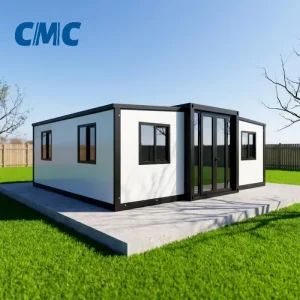
Expandable modular systems, solar-assisted cold chains, bulk ore carriers, and certified refurbished fleets engineered for rapid global deployment.
Precise answers to critical technical, structural, regulatory, and logistics inquiries for global procurement directors.
