Factory-inspected inventory and custom-engineered conex platforms optimized for heavy cargo integrity, remote modular storage, and international intermodal transshipment.


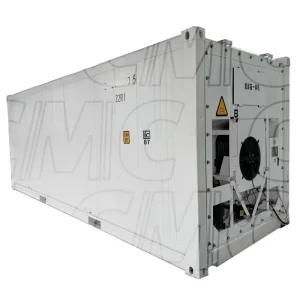
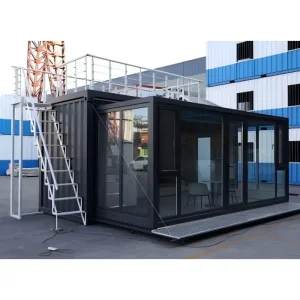
The modern intermodal shipping container (Conex box)—originally standardized for military supply routes and transoceanic general cargo—has transformed into a modular structural cornerstone for commercial decentralized storage, off-grid energy housing, and high-security remote asset deployment.
Modern storage conex containers leverage SPA-H atmospheric corrosion-resistant Corten steel. When exposed to ambient marine and industrial atmospheres, Corten forms a regenerating, dense passivation oxide layer that eliminates structural fatigue and prevents catastrophic localized rust penetration.
Global geopolitical volatility and port bottlenecks have forced multinational corporations to transition from "Just-in-Time" (JIT) to "Just-in-Case" (JIC) operational paradigms. Conex units provide instant, weatherproof, ground-level mobile storage arrays that bypass expensive fixed warehouse real estate leasing.
The global expansion of Battery Energy Storage Systems (BESS) and green hydrogen micro-grids has created surging demand for customized OEM container enclosures. Custom units incorporate fire suppression raceways, structural thermal barriers, explosion vents, and liquid-cooling HVAC conduits directly on the assembly line.
Procurement teams evaluate storage conex purchases through multi-tiered metrics: structural longevity, regulatory compliance plates, total cost of ownership (TCO), and intermodal versatility.
Procurement managers choose between factory-fresh "One-Trip" units (zero dents, pristine paint, maximum 25-30 year lifespan for architectural or retail storage) and IICL-5/Cargo Worthy (CW) decommissioned containers that offer cost-optimized solutions for static equipment yards, construction sites, and remote agricultural buffers.
Standard OEM storage containers are fitted with integrated cast-steel lockboxes, 4-lever heavy-duty locking bars with tamper-proof cam retainers, and dual EPDM rubber door gaskets. These features prevent moisture ingress, forced pry-bar intrusions, and unauthorized site entry in unsecured zones.
Every operational conex box exported for sea or rail passage must possess an authenticated CSC (Convention for Safe Containers) safety approval plate. This plate confirms compliance with stacking tests (up to 216,000 kg for 9-high cellular ship stacks), racking resistance, and dynamic corner-casting load ratings.
Estimated FOB export pricing benchmarks based on steel indexation (Corten-A), floor configuration (28mm marine plywood vs. steel checker plate), and custom OEM prep.
| Container Specification | Dimensions (L × W × H) | Payload / Tare Weight | Key Engineering Attributes | Est. FOB Price Range (USD) |
|---|---|---|---|---|
| 10ft Standard Dry Conex | 2,991 × 2,438 × 2,591 mm | Max: 10,000 kg / Tare: 1,300 kg | Compact site footprint, forklift pockets, Corten steel | $1,450 – $2,100 |
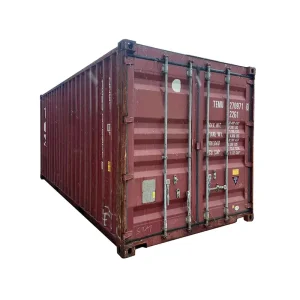
| 20ft Standard Storage (ISO) | 6,058 × 2,438 × 2,591 mm | Max: 30,480 kg / Tare: 2,180 kg | 28mm apitong plywood floor, CSC plated, 33.2 m³ cap | $1,850 – $2,650 |
| 20ft High Cube (HC) Storage | 6,058 × 2,438 × 2,896 mm | Max: 30,480 kg / Tare: 2,320 kg | Additional 30cm vertical clearance, volume 37.4 m³ | $2,100 – $2,950 |
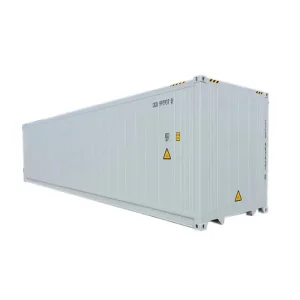
| 40ft High Cube (HC) Conex | 12,192 × 2,438 × 2,896 mm | Max: 32,500 kg / Tare: 3,900 kg | Massive 76.2 m³ capacity, dual cam-locks, heavy ribbing | $3,400 – $4,600 |
| 20ft Full Side-Open Conex | 6,058 × 2,438 × 2,591 mm | Max: 24,000 kg / Tare: 3,100 kg | Bi-fold lateral doors, unobstructed side forklift access | $3,800 – $5,200 |
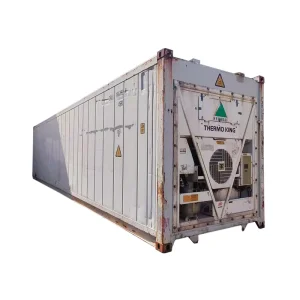
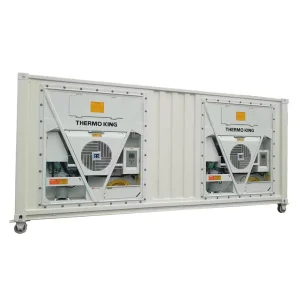
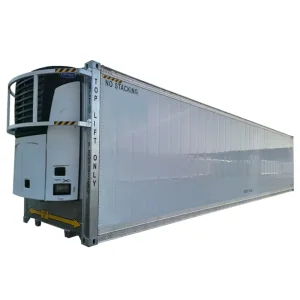
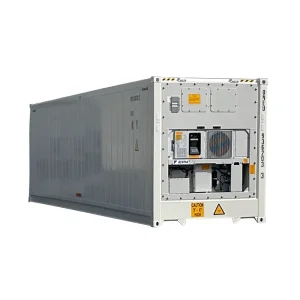
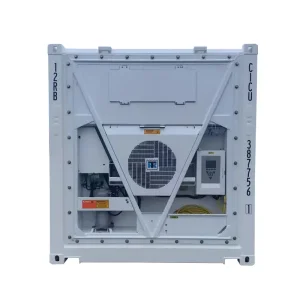
| 20ft/40ft Reefer Storage (Cold) | Custom lengths (ISO standard) | Fitted with Thermo King / Carrier / Daikin | -30°C to +30°C precise thermal control, stainless interior | $9,500 – $18,500 |
| DNV 2.7-1 Offshore Conex Unit | 10ft / 20ft custom offshore spec | Dynamic impact certified (EN 12079) | Offshore certified lifting slings, zinc primer, high impact | $5,800 – $9,200 |
*Note: Commercial prices fluctuate according to global hot-rolled coil (HRC) steel indexes, coating chemistry certifications, and target delivery volume. Bulk order OEM discounts apply.
Our specialized OEM production infrastructure bridges the gap between conventional marine freight logistics and high-durability modular field architecture.
Heavy tool inventories, copper cables, and high-value instrumentation face critical shrinkage risks on remote job sites. Conex containers provide tamper-proof, fire-resistant modular vaults that can be crane-lifted or hauled via flatbed trailer as construction phases shift.
Operating in deep-water energy platforms or open-pit mineral mines demands rigorous DNV 2.7-1 / EN 12079 certifications. Our reinforced half-height ore bins and offshore conex units withstand sub-zero impact forces, salt spray mist, and intense crane-snatch dynamic loads without structural failure.
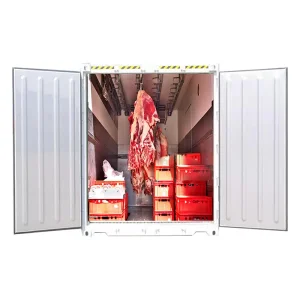
For perishable proteins, vaccines, and seasonal agricultural harvests, our insulated and refrigerated conex units (featuring Carrier, Thermo King, or Daikin machinery) provide active and passive thermal buffering with continuous digital temperature datalogging.
Every container shipped from our manufacturing bases in Tianjin and Suzhou undergoes verifiable non-destructive testing (NDT), structural tolerance inspections, and marine safety classification.
Raw Corten steel coils, primer epoxy batches, and fully welded box structures undergo continuous automated and manual ultrasonic weld checks, paint dry film thickness (DFT) tests (minimum 120μm exterior marine coating), and laser dimensional alignment.
Each ISO container is delivered with an approved CSC plate certifying transverse racking stiffness, internal floor strength (meeting or exceeding ISO 1496/1 axle load tests up to 7,260 kg), and roof point load resistance, ensuring safety in marine transport.
Strategically located approximately 100 km from major North China deep-water container berths, we lower inland haulage expenses. We arrange Shipper-Owned Container (SOC) one-way freight leases to major global ports in Europe, Africa, the Americas, and Australasia, effectively zeroing out empty positioning freight surcharges.
The container manufacturing sector is transitioning from static steel structures toward digitally connected, thermally optimized, and carbon-reduced supply chain hardware.
Next-generation storage conex enclosures can be ordered with solar-assisted BLE/GPS tracking nodes embedded flush into the corrugated corner recesses. Real-time accelerometers alert logistics teams to unapproved movement, door openings, and impact shock events.
Environmental regulations are reshaping container coating formulations. Our paint lines have transitioned to zero-VOC water-borne basecoats and low-GWP (Global Warming Potential) polyurethane insulation foams, complying with stringent EU REACH and North American EPA mandates.
Modern OEM customization incorporates easy-open single-handle locking rods, roll-up shutter openings, personnel pass-through escape doors with panic hardware, and modular interior lashing track rails (E-track / airline rails) welded directly to the interior ribs during assembly.
Technical, regulatory, and logistics answers compiled by our engineering and export compliance specialists.
Corten-A (SPA-H) contains specialized alloying elements including copper, chromium, and nickel. When exposed to weather, it develops a self-healing rust patina that seals the interior metallurgy against deep corrosion. In contrast, plain mild steel containers rust continuously, suffering structural wall perforation within 3 to 5 years under coastal or humid storage conditions.
Yes. Provided our structural design modifications (such as side roll-up doors, ventilation cutouts, or personnel access points) do not compromise primary load-bearing corner posts and bottom side rails, our engineers calculate stress values and issue an approved CSC safety plate through classification societies like BV, ABS, or DNV.
Buying containers directly via SOC status lets you pack the unit with your own commercial freight for the initial outbound voyage. This avoids ocean carrier container rental fees and eliminates costly per-diem detention and demurrage penalties at the port of discharge, because the shipping container itself is an owned asset.
While standard 28mm apitong/keruing hardwood plywood is well-suited for general pallet loading, chemical and industrial battery operations benefit from 4.5mm or 6mm anti-slip steel checker plate flooring, welded with drain plugs and spill containment pans. For pharma or cold storage, extruded T-bar aluminum or flat easy-wash stainless flooring is standard.
For standardized 20ft and 40ft storage conex units, our factory MOQ is flexible—often starting at single units for stock or used grades. For specialized OEM builds involving customized frame dimensions, automated side-open hydraulics, or specialized insulation kits, an MOQ of 2 to 4 units ensures cost-effective production tooling and class-society prototype testing.
A brand-new "one-trip" Corten steel storage conex container operated in static on-shore commercial storage environments has an expected functional lifespan of 25 to 30+ years, provided door gasket seals and primary paint coatings are maintained periodically.
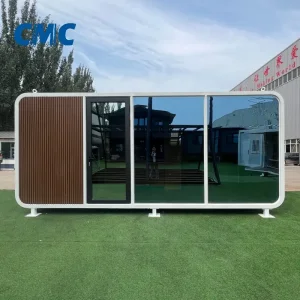
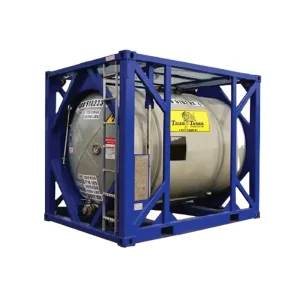
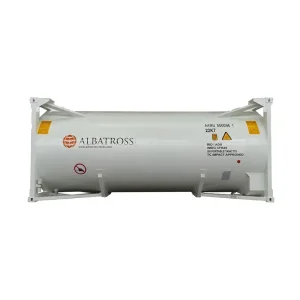
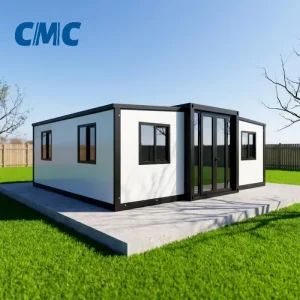
Expand your logistical operational capabilities with our verified ISO tank containers, high-cube cold storage rooms, prefabricated modular shells, and heavy freight dry boxes.