Explore high-performance refrigerated modules, heavy-duty intermodal dry freight containers, specialized bulk-liquid units, and precision-engineered modular buildings manufactured to strict maritime classifications.
Procurement directors and infrastructure operators must navigate rigorous structural criteria when acquiring commercial shipping and on-site storage assets. We break down the technical benchmarks required for high-risk intermodal and modular deployments.
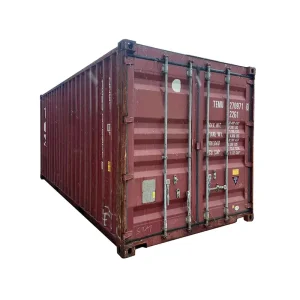
Industrial shipping containers rely strictly on high-tensile atmospheric corrosion-resistant steel (SPA-H or equivalent Corten-A). The protective oxide layer drastically impedes deep-layer oxidation in maritime atmospheres featuring high salinity.
International marine transport is legally contingent on an active CSC (International Convention for Safe Containers) safety approval plate. Container floors, side walls, and corner posts must withstand multi-tier ocean freight stacking.
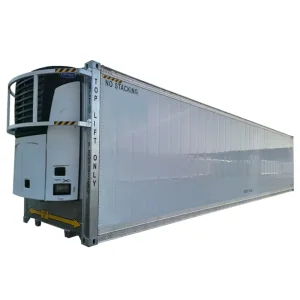
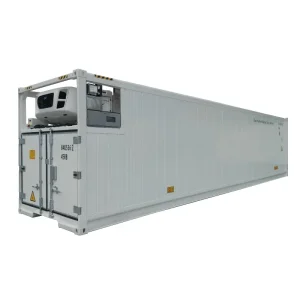
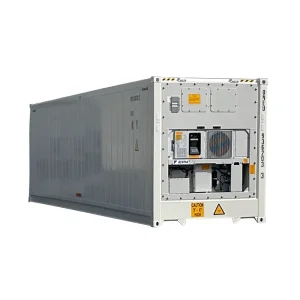
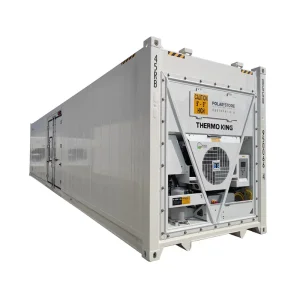
Reefer equipment demands stringent thermal conductivity standards (K-value ≤ 0.38 W/m²·K). High-density cyclopentane-blown polyurethane foam insulation is precision-injected between stainless-steel (SUS304) interior walls and outer panels.
Over 90% of global intermodal container assets originate from specialized manufacturing corridors in China. Our integrated production nexus in Tianjin and Suzhou delivers distinct structural and economic dividends to global buyers.
Direct procurement synergies with major domestic metallurgy mills guarantee immediate access to certified SPA-H weathering steel coils, custom-rolled profile sections, and heavy-gauge structural channel iron, buffering overseas buyers from raw material volatility.
Container longevity is fundamentally determined by surface preparation. Automated shot-blasting machines clear rust to Swedish SA 2.5 standards before multi-coat epoxy primer and aliphatic polyurethane topcoat application totaling over 200μm dry film thickness.
Located within 100 km of Tianjin Port and key eastern hubs, finished units avoid complex multi-modal transit. We coordinate "One-Way Cargo Free Use" (Shipper Owned Containers / SOC) to reposition brand new containers directly to destination ports without deadhead shipping costs.
A globally acquired shipping container must integrate seamlessly into local transportation networks. CIMIC designs and documents every batch according to international and target-market regulatory frameworks.
Compliant with Association of American Railroads (AAR) structural deflection limits for double-stack rail corridors. Customs TIR approval guarantees seamless cross-border bonded trucking without intermediate physical offloading.
Units entering European transport lines adhere to EN 12079 for offshore units and EN 286 pressure vessel standards. Reefer containers comply with the Agreement on the International Carriage of Perishable Foodstuffs (ATP).
Australian Quarantine and Inspection Service (AQIS) timber treatment certification is mandatory. Flooring timbers undergo stringent pressurized chemical treatment (TCT) or eco-friendly composite replacements to eliminate biological pests.
Units operating on oil platforms and offshore exploration installations feature specialized internal padeyes, dynamic four-point sling sets, and material Charpy impact testing down to -40°C for sub-zero maritime survivability.
The humble intermodal box is undergoing a high-tech evolution. From smart sensor architectures to energy storage transformations, we highlight where modern industrial container applications are heading.
Fleet operators no longer accept blind transit. Contemporary containers are fitted with multi-constellation GPS, dual cellular-satellite transceivers, door status sensors, and interior ambient microclimate monitoring for absolute transparency in cold-chain logistics.
Standard containers are being re-engineered into heavy-duty modular BESS enclosures. Reinforced with fire-rated rock wool insulation, NFPA 855-compliant fire suppression manifolds, and integrated HVAC chillers, they power grid-scale renewable energy storage.
With maritime decarbonization targets looming under Scope 3 reporting, our foundries are introducing electric arc furnace (EAF) low-carbon steel alongside ultra-low VOC waterborne coatings to ensure entire container chassis are 98% recyclable upon fleet retirement.
Modern shipping and storage containers have broken out of traditional maritime holds. Engineering innovations allow these rugged steel bodies to serve as mission-critical infrastructure in diverse global environments.
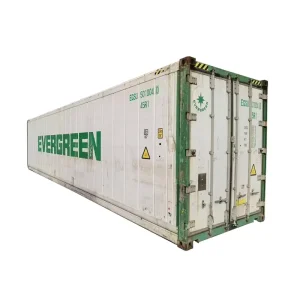
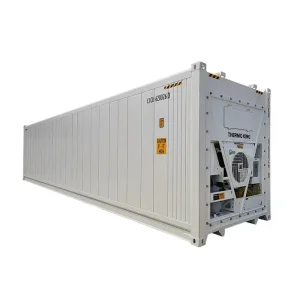
Precision Daikin and Carrier refrigeration units maintain steady -30°C to +30°C ranges. High-cube reefers protect temperature-sensitive fresh fruit, frozen seafood, and biopharmaceuticals during multi-week ocean crossings with recorded data logs.
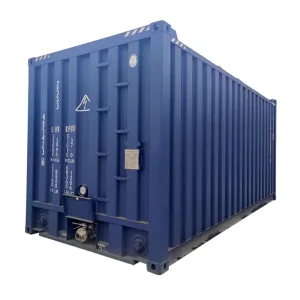
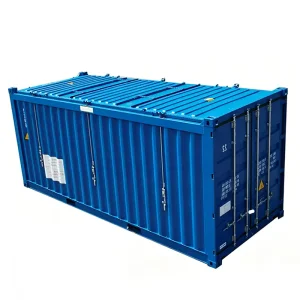
High-density minerals and coarse ores damage conventional dry containers. Half-height open-top containers with low center-of-gravity engineering allow heavy payload capacities up to 35,000 kg for direct mine-to-refinery bulk hauling.
Traversing extreme sub-zero Siberian winters requires insulated 45ft high-cube containers equipped with secondary diesel generators and dual-circuit electrical grids to guarantee uninterrupted continuous heating during transcontinental rail movements.
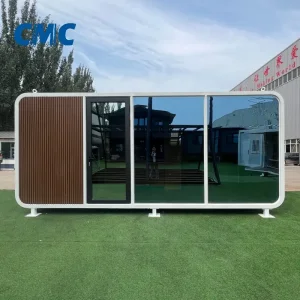
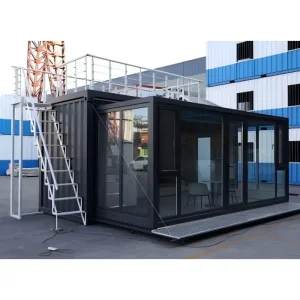
Flat-pack and expandable container homes provide turnkey office spaces, worker accommodation pods, and medical triage centers. Fitted with thermal insulation, plumbing, and electrical trunking, they deploy in hours.
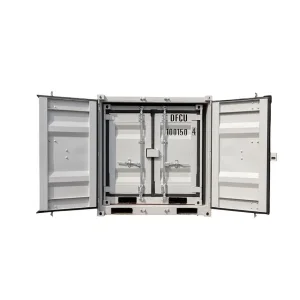
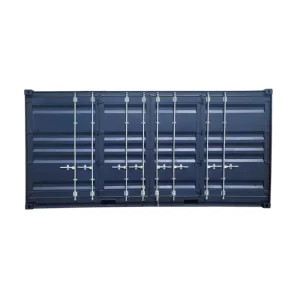
Nested 4ft to 12ft mini-storage units and multi-side-door containers transform vacant industrial yards into secure self-storage complexes. Heavy-gauge lockboxes and tamper-proof hinge hardware stop unauthorized access.
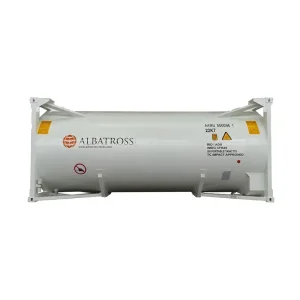
25,000-liter stainless steel (SS316L) ISO tank containers mounted in standard 20ft container footprints provide safe multimodal bulk transport for food syrups, chemical solvents, oils, and liquefied petroleum gases under IMDG class regulations.
Clear, authoritative technical answers addressing engineering tolerances, import clearances, refrigeration setups, and factory customizations.
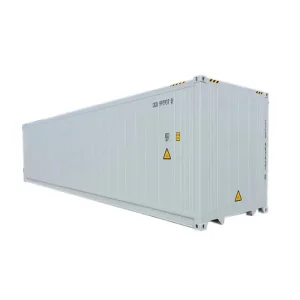
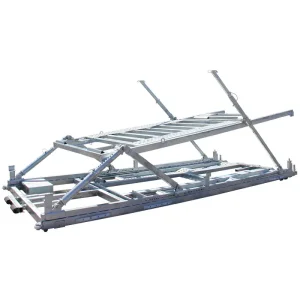
Review our heavy-duty intermodal equipment lines including thick-wall insulated boxes, intermodal rail reefers, multi-vehicle racks, ISO liquid tank containers, and flexible mini-storage solutions.