
Genset Fleet
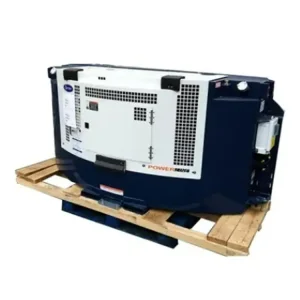
Direct from our certified China manufacturing hubs to Port Botany: engineered for the intense climatic demands of Western Sydney distribution corridors, cold-storage farming, and trans-shipping hubs.
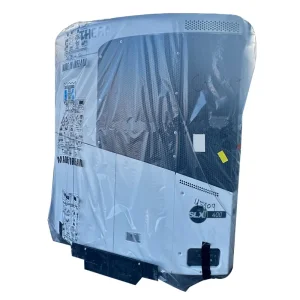
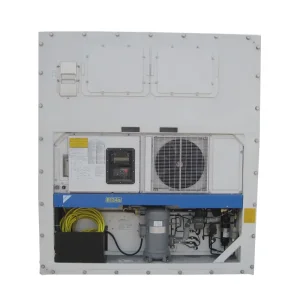
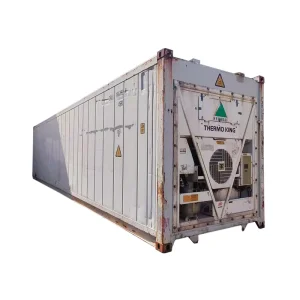
Deconstructing the commercial demand, inland intermodal freight transfer constraints, and thermal integrity prerequisites across New South Wales supply chains.
The Sydney metropolitan logistics footprint is undergoing an epochal transformation. With the progressive operationalization of the Moorebank Intermodal Precinct (MLP) and the accelerating development surrounding the Western Sydney International (Nancy-Bird Walton) Airport and Bradfield Aerotropolis, the geographic center of gravity for industrial storage has migrated decisively westward. Freight moving through DP World, Patrick, and Hutchison terminals at Port Botany is increasingly transferred via dedicated rail shuttles to inland distribution centers in Enfield, Moorebank, and Eastern Creek.
In this high-throughput freight ecosystem, standard storage and refrigeration solutions fail to survive the relentless operational tempo. Temperature-sensitive freight—ranging from high-value pharmaceuticals clustered near Macquarie Park to premium perishable exports from regional New South Wales funneling through Sydney Markets at Flemington—demands extreme thermal fidelity. Unplanned cold chain breaches during rail shunting or road-haulage congestion along the M4/M7 corridors cause millions in cargo degradation annually. Consequently, procurement heads across tier-1 freight forwarders and agricultural cartage operators are systematically phasing out under-engineered containers in favor of heavy-gauge corten steel intermodal reefers, dynamic clip-on diesel generator sets, and specialized modular pressure vessels engineered to withstand Australian environmental extremes.
"Western Sydney’s ambient temperature extremes—often climbing past 42°C during summer peak trans-shipment windows—demand structural thermal barriers and high-efficiency compressors calibrated far beyond standard baseline international thresholds."
From cryogenic bio-distribution to regional bulk chemical logistics, our factory portfolio directly maps into specific Australian industrial ecosystems.
Sydney's bioscience corridor requires GDP-compliant cold rooms with micro-tolerance climate management. Our high-cube refrigerated containers, fitted with Daikin or Thermo King dual-compressor setups, guarantee uninterrupted stability from -30°C to +10°C, backed by automatic failover auxiliary generator systems.
Moving unbottled premium wine from the Hunter Valley to Asian consumer markets necessitates ISO tank containers with mirror-finished 316L food-grade stainless steel inner vessels, equipped with steam-heating jackets, pressurization baffles, and external rockwool insulation to eliminate transit oxidation.
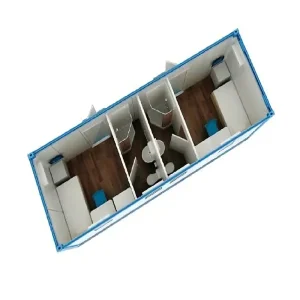
Civil infrastructure megaprojects across Western Sydney and regional NSW demand rapidly deployable, acoustic-dampened modular accommodation containers. Built to Australian National Construction Code (NCC) acoustic and thermal standards, these units provide turnkey workforce habitation with plug-and-play ease.
The global shipping equipment manufacturing sector is navigating rapid technological convergence driven by strict environmental mandates and IoT ubiquity. Our engineering facilities in China are pioneering three distinct vectors for the Australasian shipping trade:
1. Low-GWP Refrigerant Transition: In full alignment with Australia's Ozone Protection and Synthetic Greenhouse Gas Management legislation, our next-generation cooling systems have systematically transitioned from legacy R134a to R452A and ultra-low GWP R744 (CO2) transcritical cycles. This architectural pivot not only insulates fleet operators against escalating phase-down levies in Australia, but also enhances system thermodynamic efficiency during extreme summer heat spikes.
2. Telematics & AI-Driven Predictive Maintenance: Sydney-bound containers feature factory-integrated IoT sensor arrays reporting real-time metrics—including compressor discharge pressure, interior gas composition, door-seal continuity, and relative humidity. Utilizing low-power satellite and cellular dual-mode communication, fleet directors tracking consignments across the Nullarbor or down the Hume Highway receive instant alerts long before thermal anomalies breach cold chain SLA tolerances.
3. Advanced Composite Structural Architecture: By replacing standard non-conductive floor extrusions with vacuum-infused carbon-neutral composite thermal breaks, overall heat transmission coefficients (U-values) have been reduced by 14.8%. Coupled with solar-assisted trickle chargers integrated directly into clip-on diesel generator sets, battery reliability on long intermodal waits at Enfield terminal is comprehensively resolved.
Leveraging 40+ years of manufacturing maturity, coastal logistics hubs, and automated robotic fabrication to furnish Australian maritime buyers with unrivaled competitive advantages.
Procuring capital-intensive logistics assets like 40-foot high-cube reefers, specialized ISO tanks, or mobile diesel generator systems requires rock-solid manufacturing continuity. Local fabrication inside Australia faces chronic raw-material cost inflation, limited tooling availability, and protracted lead times spanning 18 to 36 weeks. By contrast, our centralized manufacturing complexes in Tianjin and Suzhou leverage direct upstream integrations with premier metallurgy mills producing SPA-H Corten atmospheric corrosion-resistant steel plates.
Our fully automated robotic welding tracks ensure micro-millimeter weld bead consistency across all structural corner castings, roof panels, and forklift pockets. Every container passes through an automated shot-blasting process to SA 2.5 cleanliness standards before receiving multi-layer zinc-rich epoxy primers, intermediate barrier layers, and polyurethane marine topcoats rated to C5-M extreme durability (ISO 12944). This structural integrity ensures three decades of exposure to harsh Pacific salt-spray, high ultraviolet radiation indexes, and high-frequency rough rail shunting without structural fatigue.
Furthermore, situated merely 100 kilometers from primary Chinese maritime ports, our facilities operate continuous production lines that effortlessly load direct onto roll-on/roll-off and cellular container vessels sailing directly to Port Botany. For Sydney buyers, this represents an unmatched reduction in transit lead times from production sign-off to yard delivery, completely circumventing intermediate warehousing and trans-shipment surcharges.
Zero-friction operational clearance at Australian maritime borders. Every unit is engineered strictly in conformance with federal, state, and intermodal transport safety mandates.
| Australian / Global Standard | Applicable Equipment Line | Key Regulatory Parameters | Compliance Verification |
|---|---|---|---|
| AS/NZS 3000 (Wiring Rules) | Reefer Containers, Gensets, Modular Housing | Residual current device (RCD) protection, marine-grade earth bonding, weather-shielded CEE 32A 3P+E pin connectors. | Factory Tested & Certified |
| CSC Safety Approval Plate | 40ft HC Reefers, Dry Bulk, ISO Tanks | International Convention for Safe Containers structural integrity, stack testing to 216,000 kg, transverse racking compliance. | BV / DNV / ABS Approved |
| AS 1210 / ASME VIII / IMDG | 20ft ISO Liquid & Alcohol Tanks | Pressure vessel engineering standards for hazardous and non-hazardous chemical, spirit, and fuel transit across road and rail. | IMDG & WorkSafe NSW Compliant |
| DAFF Biosecurity Mandate | All Wood-Floored & Cargo Containers | Department of Agriculture, Fisheries and Forestry fumigation, methyl bromide / heat treatment, and BMSB mitigation protocols. | Clean Biosecurity Cleared |
| ISO 1496 Series (Parts 1-3) | Standard & Heavy-Cube Intermodal Units | Dimensional tolerances, structural load limits, and thermal performance testing (Part 2 Thermal insulation coefficients). | Full Factory Pass |
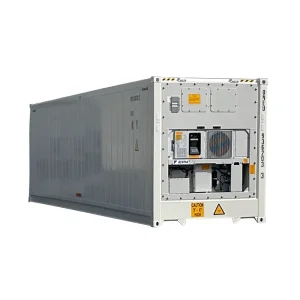
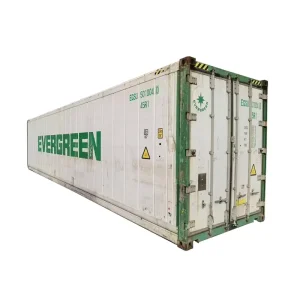
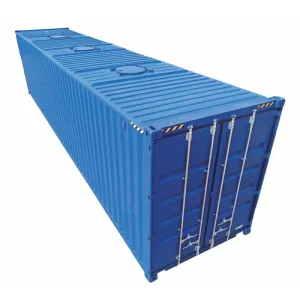
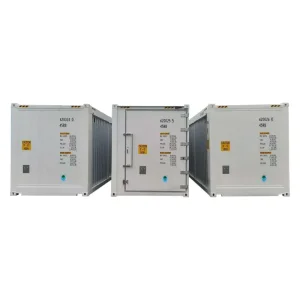
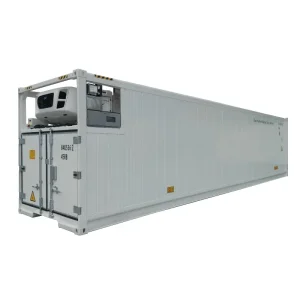
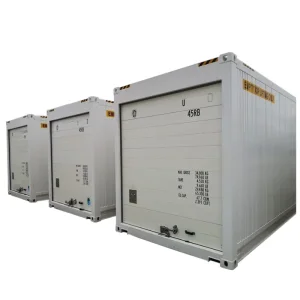
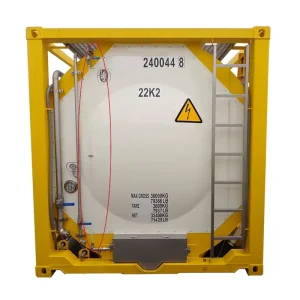
Explore our complete export spectrum: 8 specialized product configurations engineered for freight contractors, construction syndicates, and bulk commodity shippers operating across Sydney and nationwide.
Technical clarity on importing, certifying, commissioning, and maintaining heavy-grade intermodal equipment within the Commonwealth of Australia.