Engineered specifically for decentralized yards, port perimeters, and manufacturing complexes across Nagoya, Aichi, and Mie Prefectures where three-phase 440V grid availability is restricted or prohibitive. Below are our high-efficiency solar-compatible and specialized ISO intermodal configurations.
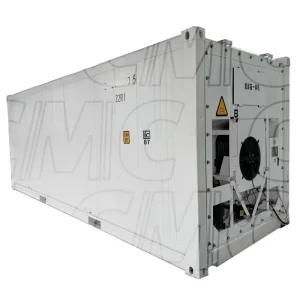
Equipped with ultra-low startup current DC inverter compressor, rooftop solar bracket arrays, and integrated LiFePO4 battery pack for off-grid coastal and inland yards.
View Nagoya Quote
Engineered for dense raw materials, industrial machinery tooling, and mining transshipment passing through the Port of Nagoya with extreme payload ratings.
View Nagoya Quote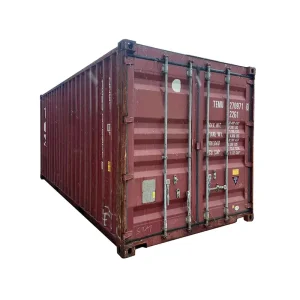
Wind and water-tight certified standard 20ft container repurposed for on-site industrial warehouse staging, dry component transit, and agricultural buffer hubs.
View Nagoya Quote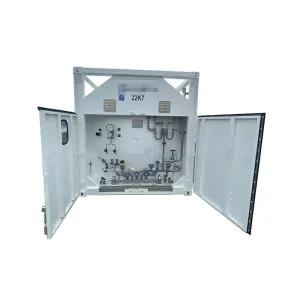
Vacuum multi-layer super-insulated container for liquid nitrogen, argon, and LNG transport catering to Aichi's advanced automotive and aerospace manufacturing belt.
View Nagoya QuoteAs Japan’s premier maritime hub in terms of total cargo volume, the Port of Nagoya handles roughly 10% of Japan’s total international trade value. Situated along Ise Bay and serving the Chubu industrial powerhouse—which encompasses Aichi, Gifu, and Mie Prefectures—the region is undergoing an aggressive structural shift toward achieving the Tokyo-mandated 2050 Carbon Neutrality goals. This regulatory evolution exerts immense operational pressure on cold chain operators, food distributors, biological pharmaceutical processors, and chemical testing centers operating along the Meiko Highway, Centrair International Airport logistics corridors, and coastal transshipment terminals.
While central maritime terminals maintain 440V 3-phase industrial shore-power, suburban packing sheds, agricultural cooperative stations in Mikawa, and coastal fisheries in Minamichita only possess standard commercial single-phase 200V-240V power lines. Converting local transformers to heavy 3-phase incurs prohibitive utility capital costs. Our direct single-phase DC inverter refrigeration units eliminate grid upgrade friction completely.
The Port of Nagoya "Carbon Neutral Port (CNP) Creation Plan" penalizes excessive diesel generator emissions (gensets) on stationary holding containers. Transitioning to integrated monocrystalline photovoltaic solar roofs paired with lithium-iron-phosphate (LiFePO4) energy storage arrays allows companies to reduce operational diesel reliance by up to 88% annually during staging.
Beyond fresh produce and seafood, Greater Nagoya is home to Japan’s densest cluster of automotive OEMs, battery gigafactories, and semiconductor component fabricators. These sectors demand mobile thermal testing chambers and ultra-stable climate-controlled ISO containers capable of continuous -25°C to +25°C holding without thermal spikes during site transits.
The global refrigerated container market is pivoting through an unprecedented technological transition driven by rising fuel prices, stringent environmental regulations (such as IMO 2030/2050 and the European Green Deal), and the proliferation of distributed cold storage models. Conventional reefer containers engineered around 380V-460V three-phase scroll or reciprocating compressors have dominated intermodal routes for forty years, yet they remain tethered to either diesel gensets or rigid, capital-heavy terminal power grids.
| Evaluation Parameter | Legacy Three-Phase 380V-460V System | CIMIC Solar-Powered Single-Phase 220V System | Operational Impact for Nagoya Importers |
|---|---|---|---|
| Power Grid Accessibility | Requires 3-Phase 380V-460V industrial drop; incompatible with rural or light industrial outlets. | Plugs directly into universal single-phase 200V-240V utility grid or run 100% off-grid via DC inverter. | Zero site transformer upgrade expenses across Chubu peripheral logistics parks. |
| Compressor Technology | Fixed-speed scroll/reciprocating with high locked-rotor amps (LRA up to 60A+). | Permanent Magnet Synchronous Motor (PMSM) DC Inverter with soft-start (LRA < 5A). | Prevents voltage sags on light commercial lines; compatible with compact solar battery storage. |
| Energy Efficiency (COP) | COP typically ranges from 1.6 to 2.2 under variable Japanese ambient loads. | COP achieves 2.8 to 3.6 through dynamic frequency modulation (20Hz - 90Hz). | Up to 42% operational power bill reduction under Nagoya’s hot, humid summer conditions. |
| Carbon Footprint & Off-Grid | Dependent on diesel gensets consuming 3.2 to 4.5 liters of diesel fuel per hour. | Integrated 2.8kWp - 5.6kWp rooftop PV array and 10kWh - 30kWh LiFePO4 battery storage. | Drastic Scope 1 & Scope 2 emissions reduction; eligible for METI green logistics grants. |
| Disaster Resilience (BCP) | Fails immediately during grid disruptions unless dedicated diesel fuel reserves exist. | Autonomous black-start capability; harvests solar power continuously during grid outages. | Guarantees pharmaceutical and emergency food preservation during earthquake/typhoon contingencies. |
In the context of the global supply chain, food loss during post-harvest storage and intermediate transit accounts for roughly 14% of global food production. By marrying modular solar generation with single-phase DC inverter technology, CIMIC containers function as autonomous micro-cold stores that bridge the critical gap between farm-gate harvest, intermediate distribution hubs, and final export berths.
Fisheries landing premium catches at Gamagori, Toyohashi, and Hazu ports require rapid deep-freeze staging down to -25°C. Traditional municipal harbors charge exorbitant rates for three-phase commercial hookups. Our single-phase solar containers sit dockside, drawing clean energy while preserving tuna, eel, and shellfish freshness without contaminating harbor air with exhaust fumes.
Tier-1 automotive suppliers in Toyota City, Kariya, and Komaki use CIMIC refrigerated containers for cold-soak climate validation of lithium battery packs, electronic control units (ECUs), and specialized rubber adhesives. Standard 220V single-phase architecture allows plug-and-play mobility across internal testing grounds without infrastructure rebuilds.
Temperature-sensitive exports transiting Chubu Centrair International Airport—such as biologic active pharmaceutical ingredients (APIs) and high-grade Wagyu beef—require flawless thermal stability before airfreight loading. Our autonomous solar reefers serve as mobile airside staging pods that bypass congested permanent warehouse space.
Achieving ultra-low energy consumption within an ISO refrigerated container envelope demands an integrated thermodynamic approach. Our Tianjin engineering facility combines heavy-gauge Corten steel exterior structures, vacuum insulated panel (VIP) composites, and variable-frequency direct-drive refrigeration architecture to achieve class-leading heat leakage coefficients.
Operating on 180V-260V single-phase input, the Brushless DC motor modulates speed smoothly, preventing the severe surge spikes characteristic of traditional AC induction units.
High-density 42-45 kg/m³ microcellular insulation injected under high-pressure vacuum forms a seamless barrier, yielding a thermal conductivity (λ) below 0.019 W/m·K.
Fully compliant with Japan’s Act on Rational Use and Proper Management of Fluorocarbons, mitigating carbon liability without compromising deep-freezing discharge pressures.
Dual 4G/5G and GPS satellite redundancy reports internal air temperature, evaporator coil status, battery state of charge (SoC), and door open alarms directly to cloud dashboards.
When requesting factory-direct CIF Nagoya or FOB Tianjin quotations, container engineering builds are cataloged under transparent cost breakdowns: base structural Corten ISO frame, refrigeration condensing and evaporator package (Carrier / Daikin / Thermo King / Proprietary DC Inverter), photovoltaic mounting rack with monocrystalline N-type TOPCon panels, and optional industrial grade BMS/LiFePO4 battery modules. Units are delivered complete with CSC safety plates and BV classification certificates for immediate sea transport.
For enterprise logistics operators managing multi-acre container freight stations (CFS) across Nagoya’s Tobishima and Minato wards, CIMIC delivers scalable microgrid containerized clusters. Instead of depending exclusively on the commercial Chubu Electric Power grid, multiple solar refrigerated units can be interconnected into a centralized Smart Energy Management Network (SEMN).
Japan’s industrial electricity tariffs spike during afternoon peak load intervals (13:00 - 17:00). During these windows, our solar-refrigerated systems draw directly from rooftop solar generation and onboard LiFePO4 batteries, bypassing elevated utility tariff rates and yielding annual electrical savings up to ¥1,480,000 per 10-unit cluster.
Optional integration of eutectic ceiling slabs containing eco-friendly salt-hydrate phase-change solutions allows containers to "store cold" during maximum daytime solar generation hours. When night falls, the latent heat release maintains cargo temperature for up to 14 hours with the compressor running at only 15% duty cycle.
Chubu-based municipal logistics frameworks prioritize Business Continuity Plans (BCP) against seismic and meteorological disruptions. In the event of coastal grid failure, CIMIC solar single-phase units continue autonomous cooling, functioning as emergency medical supply depots and decentralized community food hubs.
Explore our complete export-certified container builds, ranging from modular expandable units and insulated boxes to heavy-duty ISO tank and trailer refrigeration systems supporting global and Japanese intermodal supply chains.
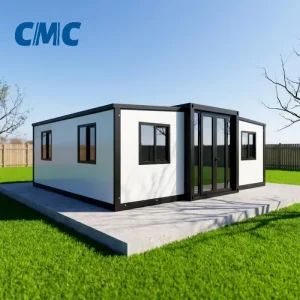
Engineered with high-performance polyurethane insulation walls for port field offices, disaster response bases, and remote climate stations.
View Nagoya Quote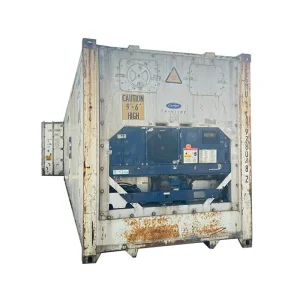
Fully inspected, PTI-tested 40ft HC reefer container with stainless steel interior linings for bulk fresh goods and ocean transshipment.
View Nagoya Quote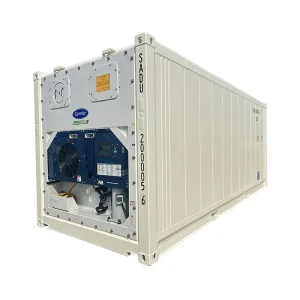
Equipped with genuine Carrier Transicold machinery, dual evaporator fans, and micro-channel coils for heavy commercial freezing operations.
View Nagoya Quote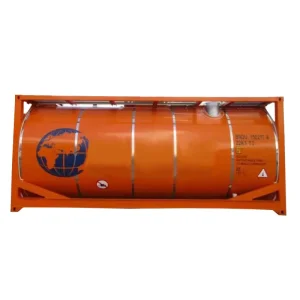
Food-grade 316L stainless steel tank container engineered for bulk edible oils, liquid food products, and pure water logistics through Chubu ports.
View Nagoya Quote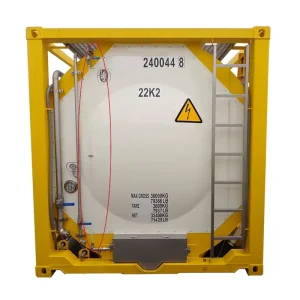
Equipped with steam heating tubes, top and bottom discharge valves, and full ASME/IMDG approvals for alcoholic beverages and industrial solvent transport.
View Nagoya Quote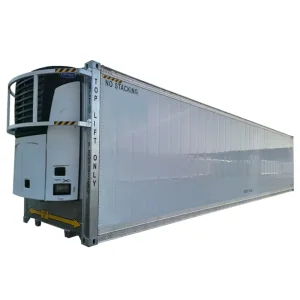
Dual-engine intelligent cooling system pairing ultra-quiet diesel genset technology with electric standby for non-stop cross-Japan highway and rail freight.
View Nagoya Quote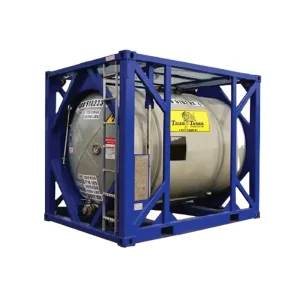
Heavy-gauge offshore lifting slings, pad-eyes, and DNV standard structural certification for offshore platform supply operations departing Central Japan harbors.
View Nagoya Quote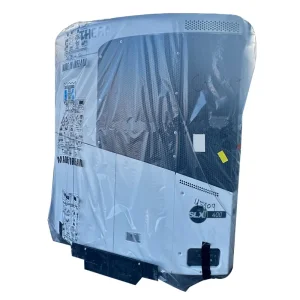
Designed for severe Japanese highway duty cycles, offering multi-temperature zone partition control, telematics reporting, and low fuel consumption.
View Nagoya QuoteOur container engineering team provides CAD drawing reviews, thermodynamic heat loss calculations, and direct vessel booking support for importers throughout Japan and the Asia-Pacific.
Send Inquiry Now