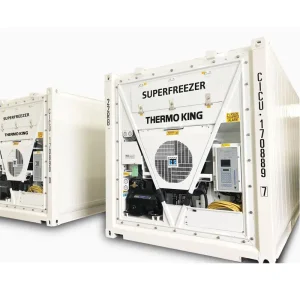
Engineered for food-grade wine, ultra-pure electronics chemicals, and offshore drilling applications across the Northern California and Transpacific supply routes.
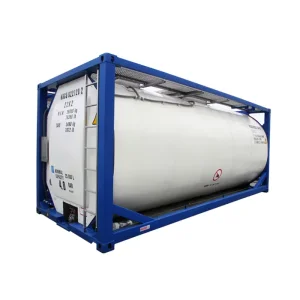
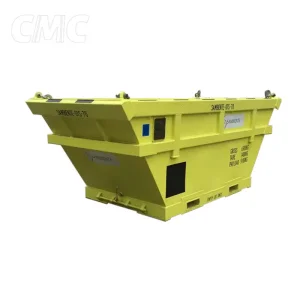
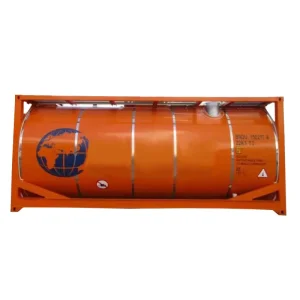
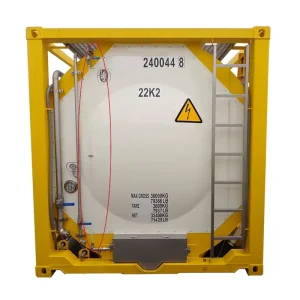
A strategic breakdown of intermodal tank infrastructure, regulatory compliance, and high-value bulk liquid movement across Northern California's economic belt.
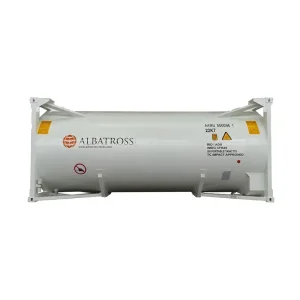
The San Francisco Bay Area connects Napa Valley, Sonoma, and Central Valley wine growers directly to international markets. Certified 316L stainless steel ISO tanks with electro-polished interiors and steam heating jackets prevent phenolic oxidation, preserving wine integrity from vineyard to international bottling plants.
Silicon Valley and surrounding microelectronics facilities require ultra-pure chemical transport—including photoresist solvents, micro-etchants, and specialized reagents. Our ASME VIII and IMDG-certified T11/T14 lined tanks maintain sub-ppb contaminant barriers, essential for tier-one semiconductor fabs.
As Northern California's primary maritime container terminal, the Port of Oakland processes significant bulk liquid traffic. High tare-weight efficiency, CSC structural ratings, and BNSF/Union Pacific Class I rail compliance guarantee frictionless drayage and terminal transshipment across the East Bay corridor.
The transition from intermediate bulk containers (IBCs) and flexibags toward reusable, zero-waste ISO tank containers is accelerating under strict environmental covenants.
Single-use flexibags and steel drums generate substantial hazardous solid waste and disposal liabilities under California EPA and international MARPOL regulations. An ISO tank container provides an operational lifecycle exceeding 25 years with over 80% lower lifetime carbon footprint, zero packaging landfill burden, and zero residual fluid holdout via conical sump discharge engineering.
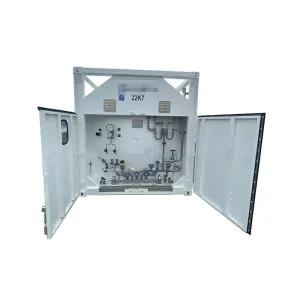
Modern global logistics requires real-time situational awareness. Our smart tank containers integrate ATEX Zone 0 certified satellite transponders, hydrostatic level indicators, digital temperature transmitters, and electronic pressure sensors. Operators monitor cargo condition, thermal insulation performance, and shock loads remotely across transpacific routes.
Tailoring steel metallurgical properties, insulation layers, and valve configurations to local West Coast regulatory frameworks and port standards.
Configured with fluoropolymer liners (PTFE/PFA) and pure rubber vulcanization for corrosive handling at chemical manufacturing hubs. Engineered to meet US DOT CFR-49, ADR, and IMDG maritime directives with precision calibrated safety relief valves (SRVs).
Supporting clean energy corridors, hydrogen infrastructure, and liquified natural gas (LNG) distribution. Vacuum-insulated perlite jackets and deep cryogenic inner vessels hold liquid nitrogen, argon, and methane for prolonged holding periods with minimum venting.
Sanitary stainless vessels optimized for spirits, edible oils, and high-fructose corn syrups. Designed with CIP (Clean-in-Place) rotatable spray heads, micro-filtered air breathers, and hygienic tri-clamp butterfly valves complying with US FDA standards.
Our senior container architects deliver custom OEM/ODM design drawings, thermal loss calculations, and certification roadmaps within 24 hours.
A multi-tiered manufacturing and logistics framework designed to eliminate dwell time, prevent product contamination, and reduce total cost of ownership (TCO).
Operating from integrated deep-water port manufacturing plants, our containers transition seamlessly onto ocean carriers heading directly to Pacific ports. Complete pre-shipment documentation—including CSC safety approvals, Bureau Veritas (BV) inspection certificates, hydro-static test reports, and ASME U-stamps—accompanies every unit for immediate dock clearance in Oakland and San Francisco.
Beyond container sales, we deliver modular maintenance blueprints, replacement component availability (Fort Vale, Girard, Perolo compatible), and remanufacturing specifications. By adopting standardize corner castings, high-tensile Corten steel external frames, and standardized walk-way profiles, fleet managers minimize overhaul costs and simplify terminal handling safety.
Authoritative technical guidance compiled by CIMIC senior container engineers and marine compliance specialists.
Every unit ships with CSC safety plates, ISO 1496/3 compliance certificates, ASME Section VIII Division 1 documentation (if specified), IMDG/ADR/RID international transport authorization, and inspection certificates verified by third-party bureaus such as Bureau Veritas (BV) or DNV.
We manufacture designated food-grade ISO tanks fabricated with high-polish 316L stainless steel (surface roughness Ra < 0.4µm), high-performance polyurethane insulation, steam heating conduits, and nitrogen blanket purging ports to eliminate oxygen contamination during transit.
Standard ISO tanks and fleet units stored at export terminals ship within 7–10 days. Customized engineering builds (such as T75 cryogenic or specialized lined tanks) take between 30 to 45 production days, with direct transpacific vessel transits arriving at Northern California ports within 14–18 ocean transit days.
Yes. We integrate intrinsically safe (ATEX Zone 0 / Class 1 Div 1) IoT telematics modules that transmit global GPS coordinates, tank shell temperature, internal headspace pressure, and impact/shock occurrences straight to client cloud dashboards or ERP systems.
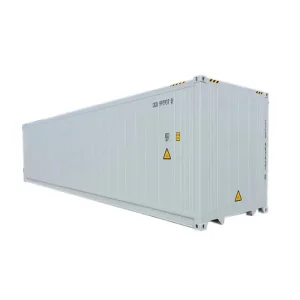
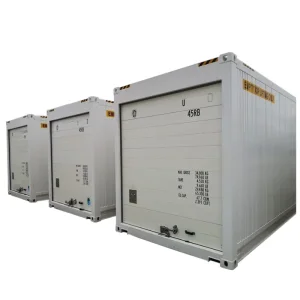
Explore our specialized portfolio of pressurized gas tanks, cryogenic containers, refrigerated reefer units, and insulated maritime boxes built for high-performance service life.