Pre-screened structural units tailored for cold-climate industrial transport, resource extraction bases, and transshipment corridors.
The convergence of shifting trade balances, Arctic mining initiatives, and multi-gauge rail routes demands heightened structural tolerances and specialized supply-chain pipelines.
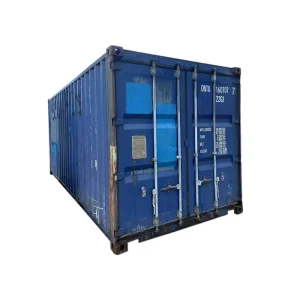
Overland throughput via Manchuria/Zabaykalsk and maritime flow through Vladivostok require immediate structural availability of IICL-5/Cargo Worthy (CW) 40ft HC containers to manage eastbound and westbound raw commodities without chassis wait times.
Standard ocean boxes rapidly develop stress cracks under Siberian winters. Sourcing units manufactured with Corten-A steel formulations and low-temperature elastic sealants ensures compliance with Russian Maritime Register (RMRS) and railway safety statutes.
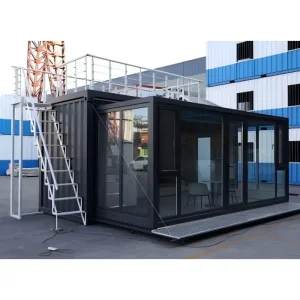
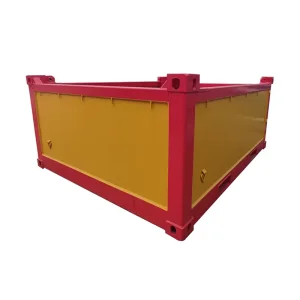
Gas projects in the Yamal Peninsula, mining complexes in Norilsk, and infrastructure nodes across Sakha require reinforced intermodal platforms, heated tank enclosures, and rapid deployment expandable prefab housing built on modular container chassis.
A rigorous framework for procurement managers balancing residual life cycle against high stress transport corridors.
International procurement entities operating inside the Russian Federation encounter logistical dynamics fundamentally different from conventional maritime loops. The Trans-Siberian corridor, encompassing over 9,000 kilometers of continuous rail transit across broad-gauge (1520 mm) tracks, exposes container floor structures, corner castings, and end walls to intense harmonic vibrations, dynamic shock loads during hump shunting, and severe thermal contractions.
Used shipping containers destined for deployment in regions such as the Urals, Western Siberia, or Vladivostok seaport cannot be evaluated solely on cosmetic appearance. When temperatures drop below -30°C, commercial mild steels transition below their ductile-to-brittle transition temperature (DBTT). CIMIC's refurbishment and inspection protocols systematically audit used assets to confirm original Corten-A (SPA-H) chemical metallurgy, ensuring phosphorous and copper contents retain anti-corrosive and micro-structural plasticity down to -50°C.
Shippers handling chemical, mining, and food distribution are increasingly adopting the 'SOC' (Shipper Owned Container) paradigm across Russia routes. Leased containers from conventional shipping lines carry excessive demurrage and detention liabilities when held at remote industrial yards in Krasnoyarsk or Irkutsk. Purchasing inspected used containers allows immediate conversion into stationary on-site warehousing, temporary staff accommodations, or permanent off-grid utility enclosures without ongoing carrier fees.
How digital instrumentation, thermal envelope optimization, and structural retrofitting are transforming used container stock.
Integration of hybrid GLONASS/GPS autonomous telematics within refurbished dry and reefer containers, transmitting internal air temperature, humidity, door-tamper alerts, and gravitational impact forces even in deep Siberian dead zones.
Passive insulation upgrades replacing decayed wood floors with waterproof composite bamboo-fiber plates and retrofitting inner wall cavities with non-combustible spray polyurethane to prevent condensate freezing during perishable transits.
Factory-level refurbishment leveraging robotic ultrasonic thickness gauging across bottom side rails and cross members, restoring fatigued used containers back to full ISO payload-bearing structural integrity.
Complete certified equipment pool ready for transshipment across Saint Petersburg, Novorossiysk, Vladivostok, and inland rail junctions.
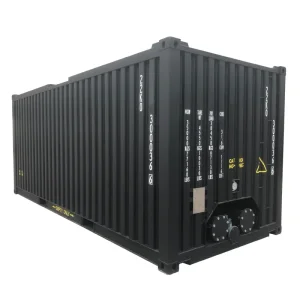
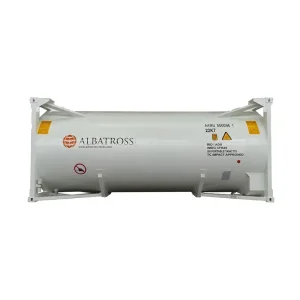
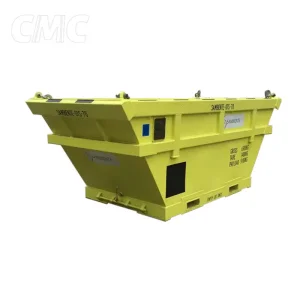
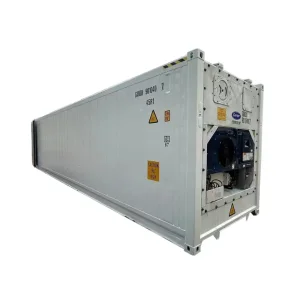
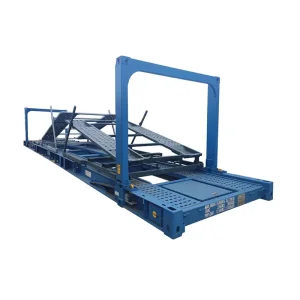
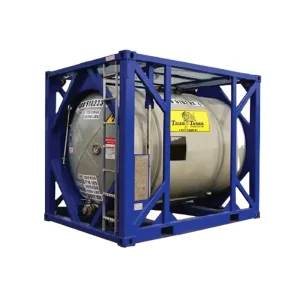
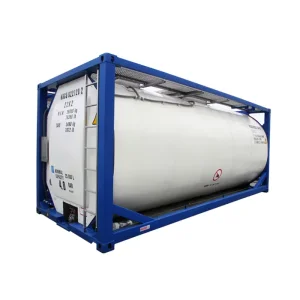
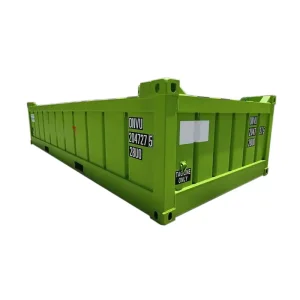
Direct supply-chain execution eliminating middleman markups across Russia and CIS entry points.
Comprehensive export documentation clearing China customs at Tianjin/Qingdao and pre-cleared for Russian customs under HS 8609.00 (freight containers), ensuring zero demurrage at customs checkpoints.
We facilitate Shipper-Owned Container matching with dry freight outbound from Chinese industrial belts into Moscow, Novosibirsk, and Yekaterinburg, effectively paying for the maritime/rail freight of your bought asset.
Every used container undergoes third-party or factory-certified 7-point structural inspections (understructure, side walls, front wall, roof panel, corner posts/castings, doors, locking gear) prior to vessel release.
Critical structural, operational, and commercial insights for cross-border logistics managers.
