Precision Engineering, Full-Aperture Logistics Solutions, and Global Procurement Benchmarks for Intermodal, Offshore, and Industrial Modular Structures.
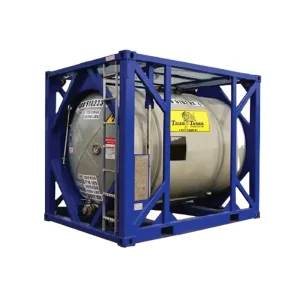
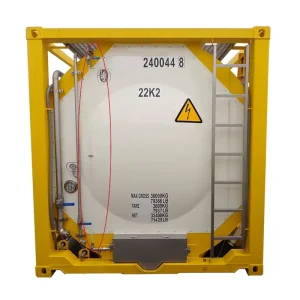
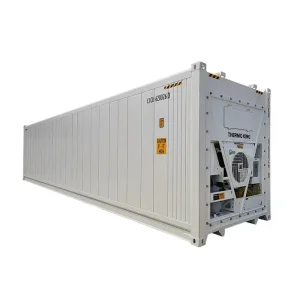
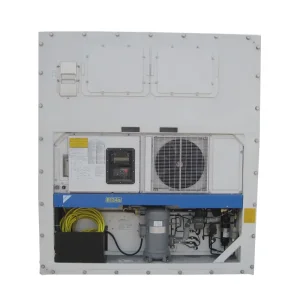
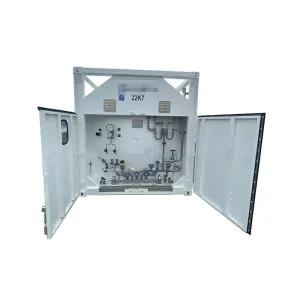
Direct manufacturer deployment covering specialized cryogenic tanks, structural side-door reefers, flat-rack platforms, and high-cube dry storage units.
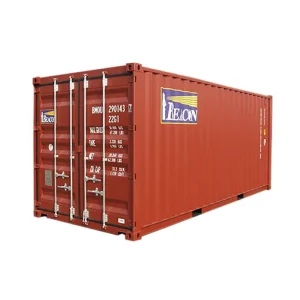
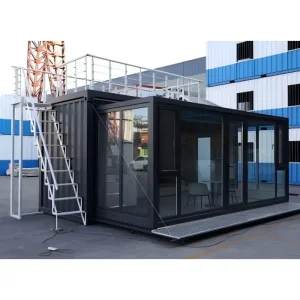
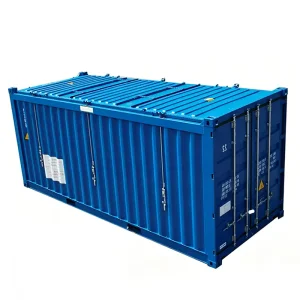
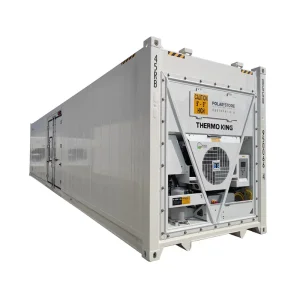
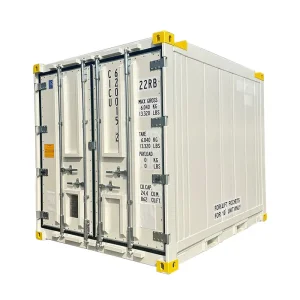
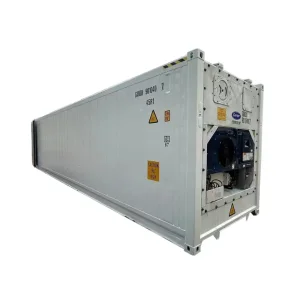
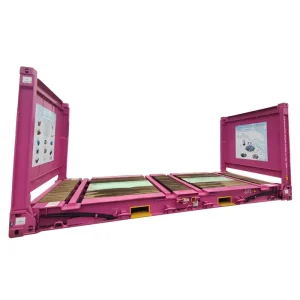
Navigating structural load shifts, full side-aperture modifications, and thermal boundary continuity across international supply chains.
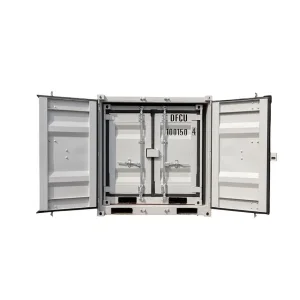
Standard ISO intermodal units depend entirely on corrugated Corten side walls to distribute shear and roof-stacking stresses. Modifying or ordering custom opening architectures (e.g., full side-opening, bi-fold, or heavy-duty roll-up shutters) demands structural load-transfer lintels and beefed-up corner posts to sustain dynamic torsional stress during multi-tier ocean freight stacking.
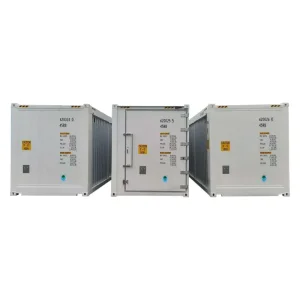
For reefer containers and modular expandable shelters, cut-outs or broad portal entries introduce high risk of cold-bridge leakage. We deploy specialized EPDM triple-lip co-extruded gaskets combined with laser-cut structural thermal breaks, preventing moisture condensation and preserving strict ATP temperature preservation standards across extreme ambient gradients.
Any non-standard container opening can invalidate safety approval plates if not supported by FEA (Finite Element Analysis) stress modeling. CIMIC validates every altered portal under physical transverse and longitudinal racking tests, securing Bureau Veritas (BV) and DNV safety plate endorsements before release for multimodal transport.
Commercial baseline reference for standardized cut-outs, full-aperture builds, and engineered modification packages.
| Opening / Portal Classification | Typical Dimension (W x H) | Structural Reinforcement Grade | Standard Certifications | Estimated Base FOB Cost (USD) |
|---|---|---|---|---|
| 20ft Full Side-Opening (Bi-Fold Dual Wing) | 5,898 × 2,311 mm | SPA-H Corten High-Strength Box Header | ISO 1496-1, CSC Approved | $4,800 – $6,200 |
| 40ft High-Cube Dual Flank Side Openings | 11,900 × 2,585 mm | Heavy Reinforced Top Rail & Cam-Locks | Bureau Veritas, ISO | $8,900 – $11,500 |
| Commercial Roller Shutter Integration | 2,000 × 2,200 mm | Integrated Steel C-Channel Portal Frame | Custom Build (Static/Storage) | $1,200 – $1,850 per opening |
| DNV 2.7-1 Offshore Certified Cargo Door | Standard ISO Clearance | Charpy V-Notch Impact Tested Structural Steel | DNV GL, EN 12079 | $7,500 – $10,200 |
| Modular Double Glazed Thermal Window/Door Portal | Custom Modular Sizes | Internal Galvanized RHS Framing + Sub-Seal | CE / North America Residential Code | $850 – $2,100 |
How automation, digital twins, and alloy developments are elevating intermodal opening performance.
Deploying advanced algorithmic strain-stress calculations to optimize lintel steel mass. This prevents excessive tare weight additions on modified side-opening reefers while maintaining strict ISO racking resistances under dynamic high-seas pitch.
Sensors integrated directly within structural door gaskets monitor real-time atmospheric compression, detecting pressure leaks or gasket degradation before perishables or delicate electronics face thermal shock during ocean voyages.
Replacing manual high-torque cam-lever operations with hydraulic and electro-mechanical opening mechanisms. Designed for fast turnarounds in intermodal cross-dock hubs and mining logistics distribution depots.
Zero-VOC waterborne epoxy zinc-rich primer matrices applied across all flame-cut portal edges, resisting 3,000+ hours of continuous salt-spray exposure (ISO 12944 C5-M marine standard) without boundary undercutting.
Enterprise cross-border frameworks guaranteeing smooth customs clearing, structural validation, and on-site integration.
Every newly manufactured or modified opening container is inspected by recognized survey authorities (BV, ABS, DNV, or LR). Material mill certificates (EN 10204 3.1) for all reinforcements are archived for 10 years, ensuring clear tracking throughout asset life cycles.
Located ~100 km from Tianjin and major eastern ports, CIMIC reduces inland drayage costs and eliminates unnecessary chassis transfers. Buyers gain flexible FOB, CIF, or DDP terms with direct ocean carrier block space commitments.
Our engineers provide comprehensive modification drawings, 3D STEP models, and finite-element validation reports. We provide global supply chains with field replacement components, including custom-profile gaskets, locking cams, and hinge pins.
Essential guidance addressing engineering, international shipping certifications, and modification lead times.
Cutting into standard corrugated steel removes essential structural load paths. To retain valid CSC safety plates for maritime transit, openings must be framed with structural hollow sections or hot-rolled channels designed to absorb racking stresses, followed by verification under physical or FEA survey inspections.
All factory-engineered CIMIC openings utilize SPA-H Corten atmospheric corrosion-resistant steel. Unlike ordinary mild steel (Q235), Corten develops a dense, protective patina when exposed to maritime conditions, preventing rust creep around welded door seals.
Yes. By engineering insulated bi-fold door joints with multiple thermal barriers and compressed EPDM lip profiles, our 20ft and 40ft high-cube side-door reefers preserve low heat leakage indices, meeting international cold chain perishables requirements.
Standardized catalog units with stock side-opening configurations ship in 10 to 18 business days. Complex OEM/ODM container portal projects involving custom automated doors or special cutouts usually require 3 to 5 weeks for engineering design, fabrication, and class survey approvals.
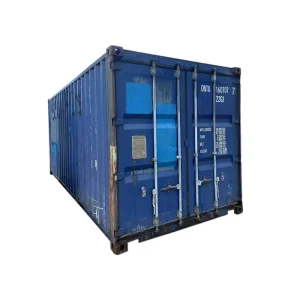
Heavy-duty, ISO-dimensioned containers ready for maritime export, domestic storage, and project mobilization.