Engineered to strict maritime classification guidelines. Direct factory delivery for shipping carriers, mining conglomerates, protein exporters, and intermodal leasing operators.
Navigating modern cold-chain intermodal logistics requires an uncompromising standard of thermal efficiency, microclimate control, and corrosion-resistant maritime metallurgy.
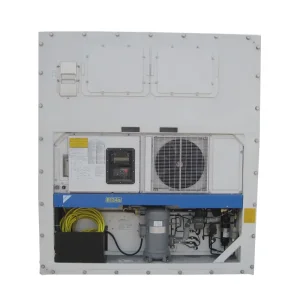
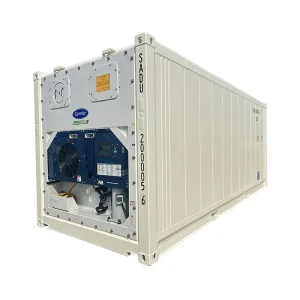
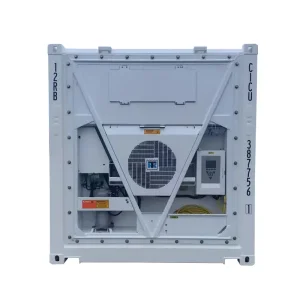
In high-throughput global supply chains, the 40ft High Cube Refrigerated Container (9ft 6in height) represents the gold standard for volumetric efficiency and temperature integrity. Unlike standardized dry freight boxes or standard 8ft 6in containers, the extra vertical foot in High Cube configurations yields an internal volume of approximately 67.5 to 67.9 cubic meters (2,380 to 2,400 cu ft), facilitating superior airflow channels above the maximum cargo load lines while optimizing palletized loading configurations.
As certified exporters and tier-one manufacturers operating directly out of the primary maritime industrial centers of Tianjin and Suzhou, we engineer cold boxes designed to withstand oceanic cross-voyages, intense salt fog exposure, high-amplitude harmonic vibrations on rail corridors, and extreme ambient temperature ranges from -40°C to +50°C. Modern procurement officers are not merely purchasing insulated metal boxes; they are acquiring complex thermal management systems that protect millions of dollars in biopharmaceuticals, pristine agricultural yields, and cryogenic cargo.
Constructed with high-tensile Corten A atmospheric corrosion-resistant steel structural framing, matched with exterior panels coated in marine-grade 200µm polyurethane barrier systems. The interior envelope features continuous laser-welded SUS304 or MGSS stainless steel with food-grade mirror finishes that resist acidic washdown and biological degradation.
Utilizing an automated high-pressure injection molding process to deposit ultra-dense (40–42 kg/m³) eco-friendly cyclopentane blowing-agent polyurethane foam. This eliminates micro-voids, delivers non-depleting insulation values, and retains thermal conductivity parameters well below international ATP and TIR regulatory thresholds.
Deep-extrusion aluminum alloy 6061-T6 heavy-duty T-bar floor profiles provide enhanced structural support under industrial pallet jack loadings up to 5,460 kg (12,037 lbs). Air delivery channels ensure continuous bottom-up high-velocity static pressure, ensuring laminar thermal distribution through dense pallet arrangements.
Procurement directors face starkly divergent thermal, biological, and spatial constraints across varying supply categories. Review the core industrial profiles engineered within our manufacturing lines.
Demands strict GDP (Good Distribution Practice) certification, triple-redundant NIST-traceable temperature logging, and dual-system power transfer options. Delivers uninterrupted microclimates between +2°C to +8°C or ultra-deep cryogenic storage down to -70°C for mRNA-based compounds.
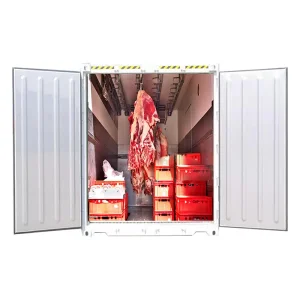
Targeted for deep-freeze seafood operators and specialized red-meat processors requiring continuous -35°C to -60°C core temperatures. Engineered with specialized stainless hanging rails, reinforced roof bows, and Daikin or Carrier Transicold ultra-low temperature scroll compressor units.
Incorporates integrated molecular scrubbers to regulate Oxygen (O₂) and Carbon Dioxide (CO₂) concentrations dynamically alongside humidity balancing. Retards fruit ripening respiration during 45-day trans-Pacific transits for bananas, avocados, and stone fruits without chemical ripening inhibitors.
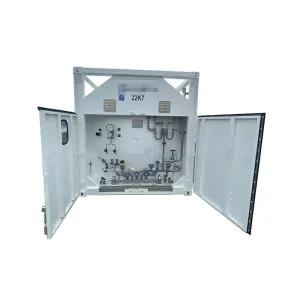
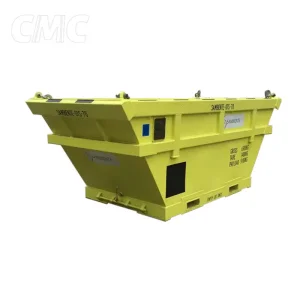
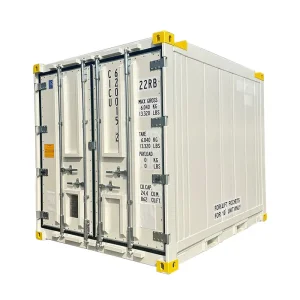
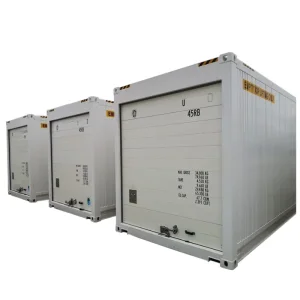
Certified in total alignment with DNV 2.7-1 / EN 12079 standards for deployment on offshore oil platforms, subsea construction support vessels, and remote polar mining infrastructure. Built with heavy-duty pad-eyes, lifting sling systems, and explosion-proof electrical controls.
| Dimensional & Operational Attributes | 40ft High Cube Reefer (Standard ISO) | 20ft High Cube Reefer (Offshore / Intermodal) | 40ft Controlled Atmosphere (CA) Reefer |
|---|---|---|---|
| External Dimensions (L x W x H) | 12,192 x 2,438 x 2,896 mm (40' x 8' x 9'6") | 6,058 x 2,438 x 2,896 mm (20' x 8' x 9'6") | 12,192 x 2,438 x 2,896 mm (40' x 8' x 9'6") |
| Internal Usable Capacity | 67.9 m³ (2,398 cu ft) | 32.8 m³ (1,158 cu ft) | 66.4 m³ (2,345 cu ft) |
| Max Gross Weight (MGW) / Payload | 34,000 kg / 29,380 kg | 30,480 kg / 27,280 kg | 34,000 kg / 28,950 kg |
| Thermal Range Capability | -30°C to +30°C (-22°F to +86°F) | -35°C to +30°C (-31°F to +86°F) | -30°C to +25°C with N₂ Flushing |
| Refrigerant Standard | R-134a / Low-GWP R-513A / R-452A | R-404A / R-452A / R-134a | R-134a / R-513A (Eco-Optimized) |
| Structural Class Certifications | ISO 1496-2, CSC, TIR, ATP, BV | DNV 2.7-1, EN 12079, CSC, LR | ISO 1496-2, USDA Cold Treatment, CSC |
Logistics decarbonization and digital transformation are redefining cargo security. Our manufacturing facilities are integrating tomorrow's technologies into current production cycles.
Every unit can be equipped with 4G/5G and dual-band Iridium satellite transceivers for real-time visibility into internal cargo temperatures, ambient humidity, compressor suction pressures, power supply cycles, and GPS geo-fenced routes. Seamless API integration with ocean-carrier Remote Container Management (RCM) ecosystems guarantees instant alerts before threshold excursions happen.
To conform to EU F-Gas restrictions and the Kigali Amendment, we have implemented scalable manufacturing tooling supporting natural refrigerants—notably carbon dioxide (CO₂, GWP=1) systems and advanced HFO blends like R-1234yf and R-513A. These systems drop lifetime greenhouse warming impact while improving cooling coefficients of performance (COP) in tropical environments.
Built-in controller microprocessors perform automated self-testing routines (Pre-Trip Inspections - PTI) prior to loading. Edge-computing firmware processes acoustic harmonic vibrations, motor torque load curves, and thermal differentials to flag bearing fatigue, refrigerant micro-leaks, or sensor drift well before ocean transport begins.
Why leading fleet managers and institutional buyers choose our manufacturing bases in Tianjin and Suzhou for mission-critical logistics expansion.
The total cost of ownership (TCO) for refrigerated shipping equipment depends not only on initial purchase price, but heavily on weld fatigue durability, paint adhesion lifecycle, thermal insulation retention, and localized supply-chain logistics. Situated roughly 100 kilometers from the Tianjin Maritime Deep-Water Terminals and adjacent to the Yangtze River economic logistics belt via our Suzhou manufacturing hubs, our logistical footprint removes overland drayage bottlenecks and ensures seamless direct vessel loading on major transoceanic line-haul departures.
Each container is accompanied by certified CSC (Convention for Safe Containers) data plates stamped under the witness of internationally recognized classification societies such as Bureau Veritas (BV), Lloyd's Register (LR), or China Classification Society (CCS). From structural hydrostatic racking tests (applying 150 metric tons of downward static stacking force per corner post) to laser-guided vacuum air leakage evaluations, our quality gate check guarantees that equipment arrives at your destination port fully authorized for immediate intermodal service.
Strict adherence to the International Agreement on the Carriage of Perishable Foodstuffs (ATP). Containers are certified under Class FRC (reinforced insulation with mechanically refrigerated units maintaining -20°C in +30°C ambient temperatures), fully compliant for cross-border European and Eurasian transport corridors.
Prior to releasing any unit from the fabrication yards, a certified 6-hour functional PTI load-test cycle is conducted. All mechanical components—including condenser fan motors, evaporator defrost cycle heaters, electronic expansion valves, and temperature recording probes—undergo rigorous automated validation.
Standardizing with world-leading refrigeration manufacturers (Carrier Transicold ThinLINE/PrimeLINE, Thermo King Magnum Plus, Daikin LXE series) guarantees that procurement teams benefit from worldwide technical servicing depots, field training programs, and rapid genuine parts availability in over 120 maritime nations.
Clear, authoritative technical answers addressing common due-diligence questions raised by container leasing enterprises, logistics directors, and government procurement bodies.
The 40ft High Cube container measures 9ft 6in (2,896 mm) in height compared to the standard 8ft 6in (2,591 mm). This additional foot elevates total internal capacity to ~67.9 m³, allowing an extra tier of standard palletized packaging or bulky produce cases without obstructing the red line airflow ceiling. This guarantees uninterrupted air recirculation from the T-floor upward, avoiding cargo hot-spots.
Our reefer units run on standard dual-voltage industrial configurations: 380V/460V 3-phase AC at 50/60 Hz (the international maritime standard). For overland transport or isolated regional hubs lacking 3-phase industrial drop lines, clip-on or underslung diesel generator sets (Gensets) supplying continuous 460V power can be factory-mounted directly to the front bulkhead or trailer chassis.
All fabricated units undergo positive/negative air leakage pressure testing and thermal heat transmission evaluation in compliance with ISO 1496-2. Our automated foam injection yields an overall heat transfer coefficient (K-value) below 0.36 W/(m²·K), verified using calibrated thermal imaging sensors to guarantee total barrier insulation without cold bridging.
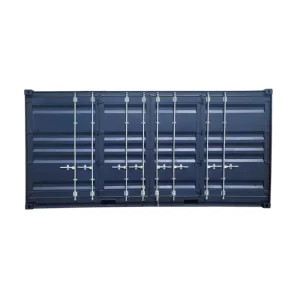
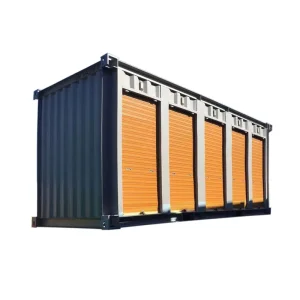
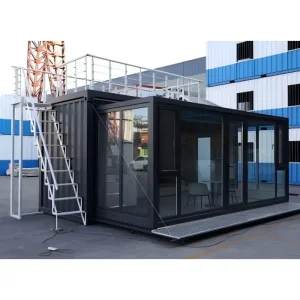
Yes. As an integrated OEM/ODM manufacturer, we design and produce specialized variations including automated insulated roll-up doors, full-length side-access bi-folding doors, and dual-compartment multi-temperature partitions with independent evaporator systems. These customized builds maintain full structural stability and CSC maritime certification.
DNV 2.7-1 / EN 12079 units are built for violent offshore wave actions, vessel-to-rig dynamic crane impacts, and sub-zero Arctic ocean operations. They feature heavy-wall structural hollow sections (RHS), certified pad-eyes welded to main frames, integrated lifting wire slings with master links, and Charpy impact-tested steel for operation down to -20°C or -40°C.
For standard catalog items, re-certified used equipment, and existing fleet stocks, MOQ is 1 unit for immediate staging from Tianjin or Qingdao ports. Custom OEM engineering projects (such as specialized meat rail hanging configurations or cryogenic modifications) typically have an MOQ of 2 to 4 units, with production runs completed in 20 to 35 business days.
Yes. Many buyers procure our 40ft High Cube and 20ft units as immediate modular walk-in freezers for distribution yards, farms, and food-processing hubs. They require no brick-and-mortar building permits, are instantly movable if site lease arrangements shift, and provide weather-sealed storage with precise digital temperature controls.
Every shipment includes a full document package: an official Certificate of Origin, mill test certificates for steel framing, Bureau Veritas / Classification Society Inspection Certificates, validated CSC Safety Approval documentation, initial Pre-Trip Inspection test logs, and commercial warranty records.
Our sales engineering desk provides detailed CAD schematics, heat-balance calculations, and port-to-port CIF logistics estimates within 24 hours.
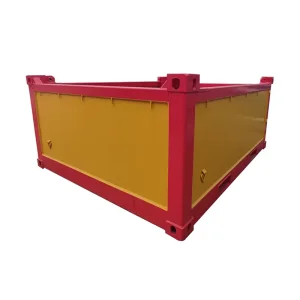
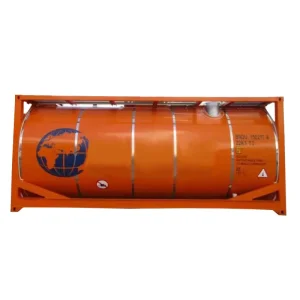
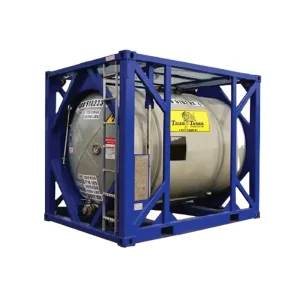
Explore our full manufacturing range, including cryogenic liquid tanks, offshore cargo baskets, and specialized customized multi-door transport units.