Direct factory supply of ISO intermodal shipping containers, active reefer units, offshore DNV equipment, and specialized insulated shelters configured for global logistics corridors.

Strategic evolution of Corten weathering steel structures, intermodal equipment modules, and energy transition enablers across international maritime trade hubs.
The global equipment container sector has experienced an unprecedented structural transformation over the past decade. Once perceived merely as standard dry freight boxes for oceanic transport, modern equipment containers represent sophisticated, modular industrial assets engineered for precision environmental control, heavy raw material transport, decentralized energy storage (BESS), and extreme offshore drilling environments. China currently accounts for upwards of 85% to 90% of global container production capacity, with industrial epicenters distributed across Bohai Rim hubs (Tianjin), the Yangtze River Delta (Suzhou, Shanghai, Taicang), and the Pearl River Delta.
This geographic concentration is grounded in a mature structural ecosystem: direct supply chains of SPA-H atmospheric corrosion-resistant Corten steel, vertical integration of robotic welding and automated eco-friendly waterborne paint lines, and immediate proximity to deep-water container berths. Maritime intermodal carriers, mining conglomerates, offshore EPC contractors, and cold-chain logistics providers increasingly demand standardized certifications (ISO 1496/1, DNV 2.7-1 / EN 12079, CSC approval plates, and Bureau Veritas class surveys) backed by transparent pricing indices and rigorous non-destructive structural validation.
Rapid deployment of custom 20ft and 40ft modular containers housing high-capacity Lithium-ion (LFP) energy storage systems, complete with liquid cooling manifolds, fire suppression, and structural explosion relief panels.
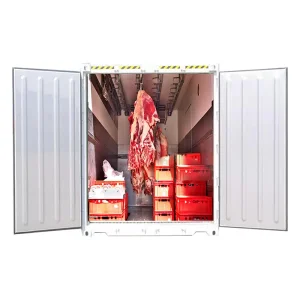
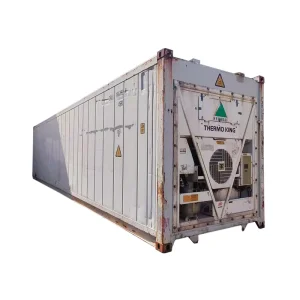
Integration of ultra-efficient scroll and digital inverter compressors (Carrier Transicold, Daikin LXE series, Thermo King Magnum Plus) capable of sustaining continuous deep-freeze environments (-35°C to -60°C) across tropics.
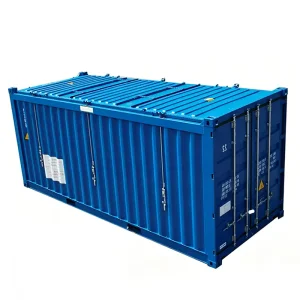
Engineering specialized half-height ore bins and tool baskets under DNV 2.7-1 / EN 12079 criteria, engineered to withstand aggressive dynamic multi-point offshore crane lifts and severe marine salt fog corrosion (C5-M paint systems).
Current factory-direct FOB pricing structures (Tianjin / Qingdao / Shanghai) illustrating structural specifications, manufacturing lead times, and core equipment cost drivers.
Purchasing decisions for industrial containers depend on multiple macroeconomic variables: global hot-rolled steel coil prices, high-grade SPA-H Corten surcharges, refrigeration component supply chains, and specialized classification society survey fees. The following benchmark table provides procurement directors and project engineers with actionable market figures for commercial budgeting.
| Container Classification & Form Factor | Key Engineering Specs | Benchmark Price Range (USD FOB China) | Standard Lead Time | Compliance Certification |
|---|---|---|---|---|
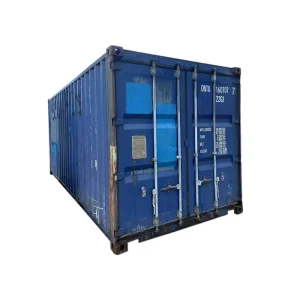
| 20ft Standard Dry ISO Container (1CC) | SPA-H Corten steel, 28mm marine plywood flooring, 30,480 kg MGW | $1,850 – $2,350 | 10 – 15 Days | ISO 1496/1, CSC, BV / ABS |
| 40ft High Cube Dry ISO Container (1AAA) | External height 2,896mm, internal volume 76.2 m³, anti-corrosion primer | $3,150 – $3,800 | 12 – 18 Days | ISO 1496/1, CSC, BV / LR |
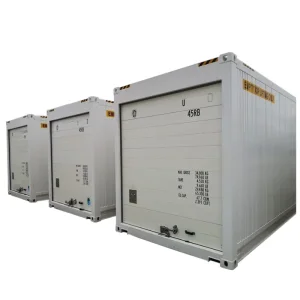
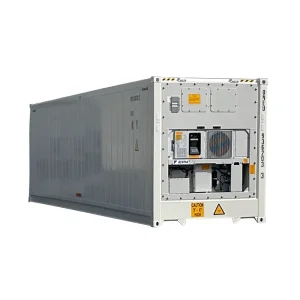
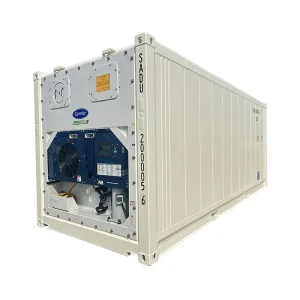
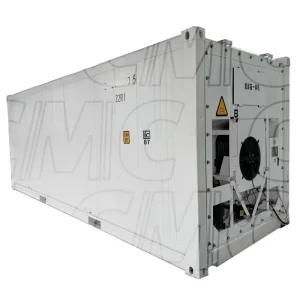
| 20ft Marine Refrigerated Container (Reefer) | Stainless interior (SS304), T-bar floor, Daikin/Carrier unit, -30°C to +30°C | $8,500 – $11,500 | 20 – 25 Days | ISO, CSC, BV, CE, ATP |
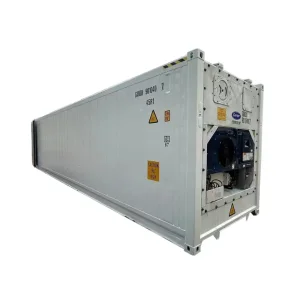
| 40ft High Cube Marine Reefer Container | Thermo King / Carrier PrimeLINE, high-density cyclopentane insulation | $11,800 – $15,800 | 20 – 30 Days | ISO, CSC, BV, ATP Class FRC |
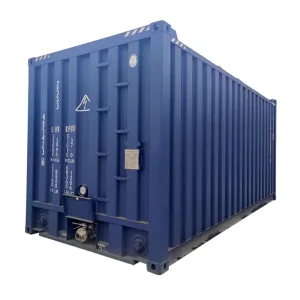
| DNV 2.7-1 Offshore Half-Height Ore Container | Heavy-duty 4-point certified lifting slings, internal tie-downs, top tarp | $6,200 – $8,900 | 25 – 35 Days | DNV GL 2.7-1, EN 12079 |
| 20ft ISO Tank Container (UN Portable T11) | 316L stainless steel shell, 21,000L - 26,000L, steam heating coils | $14,500 – $22,000 | 30 – 45 Days | ASME U-Stamp, IMDG, RID/ADR |
| Modular Equipment Enclosure (BESS / Generator) | Thermal insulation (rockwool A1), internal cable tray, louvers, fire dampers | $5,500 – $12,800 (custom) | 20 – 35 Days | UL 9540A ready, ISO, NFPA |
| Certified Used 40ft HC Reefer (Cargo Worthy) | Reconditioned Carrier/Daikin unit, PTI (Pre-Trip Inspection) passed | $4,200 – $6,500 | Immediate (Ex-stock) | Valid CSC Survey Plate |
1. Steel & Coating Volatility: Corten-A atmospheric corrosion-resistant steel represents approximately 55% of the tare weight cost in standard equipment containers. Zinc-rich primer application with polyurethane topcoats conforming to ISO 12944 standard (C5-M extreme marine corrosive zones) adds a moderate premium over standard C3 industrial finishes.
2. Machinery & Active Components: In refrigerated and climate-controlled containers, the cooling machinery (Carrier Transicold, Daikin, Thermo King) accounts for roughly 65% to 75% of the total unit price. Advanced digital scroll compressors with economizer circuits and automated Controlled Atmosphere (CA) systems create additional capital expenditure but reduce fruit and vegetable respiration loss during 30+ day ocean voyages.
3. Tailored Structural Engineering: Non-standard door modifications (full side-opening bi-folds, heavy-duty industrial roll-up doors, removable roof headers) require reinforced structural lintels, heavy corner posts, and FEA load recalculations to retain full CSC stackability ratings (up to 216,000 kg stacking limit).
Anticipating next-generation intermodal designs: smart telematics, ultra-low GWP refrigerants, advanced composite insulation, and autonomous lifecycle maintenance.
Widespread adoption of autonomous cellular/satellite telemetry devices built directly into container corner castings. Integration of multi-sensor arrays recording internal 3-axis vibration shocks, relative humidity, door breaches, and micro-temperature fluctuations for high-value pharma and military logistics.
Phasing out high-GWP synthetic HFC refrigerants in compliance with the Kigali Amendment and European F-Gas regulations. Transitioning fleet units to carbon dioxide (R-744) transcritical refrigeration cycles and hydrofluoroolefins (HFOs like R-1234yf), operating at higher internal pressures with zero ozone depletion potential.
Replacement of traditional cyclopentane polyurethane foam walls with nanostructured aerogel blankets and vacuum insulation panels (VIP). This innovation increases internal thermal resistance (R-value) by 40% while slimming container wall thickness by 25mm, unlocking higher usable cubic cargo volume.
Commercialization of lightweight basalt-fiber and carbon-reinforced composite wall structures offering complete immunity to salt-water galvanic oxidation. Roofs embedded with flush-mounted monocrystalline solar panels linked to high-discharge sodium-ion buffer batteries, eliminating diesel generator dependence for stationary cold chains.
Evaluating tailored container engineering across harsh environmental theaters: remote resource extraction, offshore marine exploration, and decentralized municipal utilities.
Offshore supply vessels and oil drilling rigs cannot tolerate standard ISO containers due to severe cyclic dynamic loading during crane transfers at open sea. Specially fabricated offshore equipment containers feature full-penetration welding, ultra-thick corner structures, integrated internal pad eyes, and drop-tested four-leg sling assemblies operating safely in Arctic temperatures (-20°C to -40°C).
Mining operations in Western Australia, Africa, and South America move massive volumes of dense iron ore, copper concentrates, and lithium spodumene. Half-height ore containers feature low centers of gravity, sloped self-clearing side walls, and heavy-gauge corrugated SPA-H floor plates compatible with automated rotating container tippler spreaders (rotators).
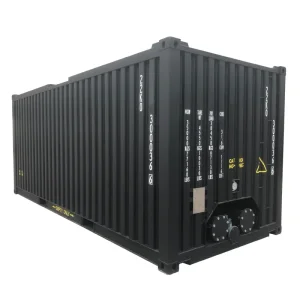
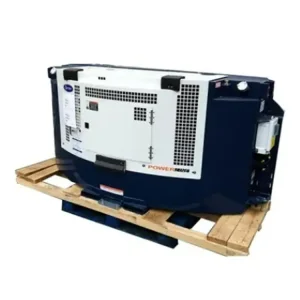
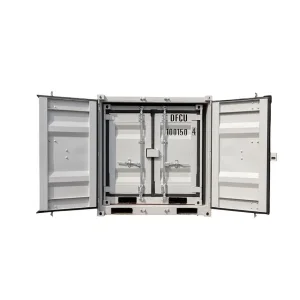
Energy developers deploy converted 20ft and 40ft container enclosures as turnkey sub-stations, high-output diesel/gas generator shelters, and multi-megawatt Battery Energy Storage Systems (BESS). Enclosures are custom engineered with acoustic insulation baffles, motorized intake/exhaust louvers, fire-rated partitions (EI60/EI120), and structural floor reinforcements holding upwards of 35 metric tons.
Perishable food exporters utilize hybrid solar/diesel refrigerated containers as decentralized farm-gate precooling centers. Field-side placement of 40ft high cube reefers drops internal produce core temperatures within hours of harvest, significantly reducing post-harvest loss in developing logistics corridors across Central America, Africa, and Southeast Asia.
A systematic operational roadmap for international buyers to evaluate Chinese container manufacturing partners, structural compliance standards, and multi-tier quality assurance.
Sourcing industrial equipment containers from China requires an audit protocol extending far beyond reviewing online proforma invoices. A comprehensive Total Cost of Ownership (TCO) model factors in material composition, structural welding verification, atmospheric coating longevity, and port logistic efficiency.
Prior to approving volume production runs or releasing factory payments, procurement officers and third-party inspectors (SGS, Bureau Veritas, Lloyd’s Register) should execute the following five-stage verification protocol:
Validate genuine chemical formulation of Corten steel. Grade SPA-H requires specific copper (Cu: 0.25-0.40%), chromium (Cr: 0.30-0.65%), and nickel (Ni: 0.20-0.40%) percentages to assure true self-healing oxide passivation.
Corner castings and major longitudinal rail joints undergo Non-Destructive Testing (NDT), including Ultrasonic Testing (UT) and Magnetic Particle Inspection (MPI) to identify internal slag or micro-porosity.
Verification that automated steel blasting reaches ISO 8501-1 Sa 2.5 cleanliness. Paint inspection protocols confirm total Dry Film Thickness (DFT) averages 120-150 microns across three tiers (zinc primer, intermediate epoxy, polyurethane finish).
Logistics Proximity Advantage: Leading manufacturing facilities in Tianjin and Suzhou are positioned within 100 kilometers of northern and eastern China deep-water container terminals. This geographical setup significantly mitigates empty container drayage costs, prevents pre-shipment highway transit damage, and provides access to direct sea-rail intermodal routes heading into Europe and Central Asia.
In-depth responses to core engineering, international compliance, and procurement queries faced by enterprise buyers.
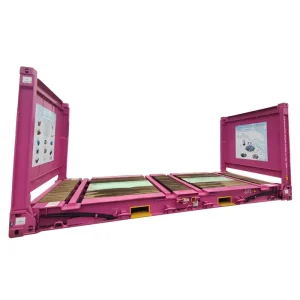
Explore heavy industrial bitumen units, flat racks, open tops, hanging cold storage lines, and generator power packages.