Explore heavy-duty specialized units manufactured under rigorous CSC safety approvals and international maritime codes.
A rigorous examination of multimodal intermodal equipment trends, engineering dynamics, and structural mechanics across international corridors.
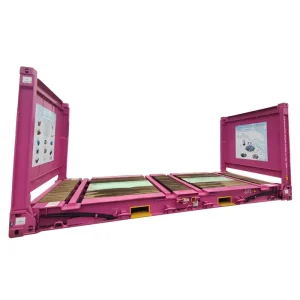
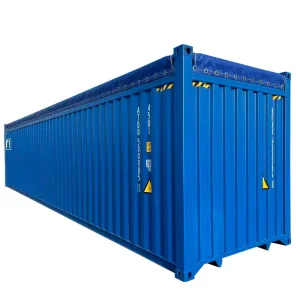
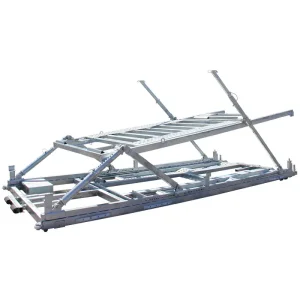
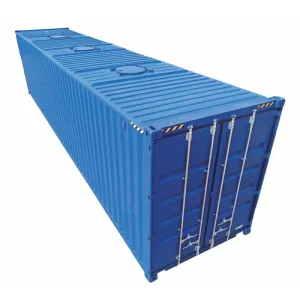
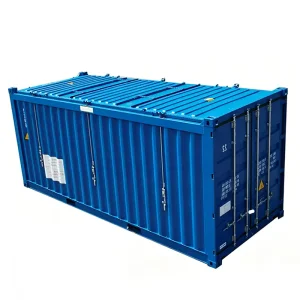
The global transition toward decentralized heavy industry has driven unprecedented requirements for open shipping containers (including soft open-top, hard open-top, and flat-rack configurations). Project cargo, industrial power generation turbines, heavy metallurgical equipment, and construction crawlers often exceed standard ISO internal height and width parameters. Open-top engineering allows direct top-crane gantry loading, bypassing traditional warehouse staging bottlenecks.
Unlike standard dry vans that maintain structural rigidity through an integrated corrugated roof panel, an open-top container must compensate for torsional deflection. China's premier manufacturing ecosystem, spearheaded by facilities in Tianjin and Suzhou, employs high-tensile SPA-H Corten steel. Reinforced top side rails, removable swing-out rear headers, and reinforced bottom side rails maintain ISO structural load integrity under full stacking dynamics.
Dynamic offshore lifting operations demand absolute structural compliance. For maritime oil & gas support in harsh marine environments, containers undergo stringent Bureau Veritas (BV) and DNV certification. From certified pad eyes and specialized lifting slings to Charpy V-notch impact testing at -20°C, Chinese container manufacturers lead the global export infrastructure for extreme marine endurance.
Delivering turn-key intermodal hardware designed to resolve intricate freight challenges across primary international industrial corridors.
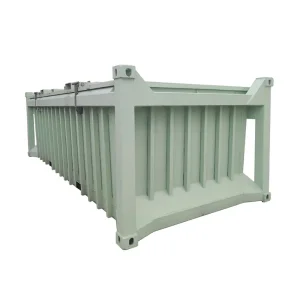
Transporting raw mineral commodities, high-density concentrates, and drilling tailings requires high-mass reinforcement. Specialized half-height ore containers and side-open configurations provide rapid discharge capabilities, extreme floor deck payload limits exceeding 30,000 kg, and custom internal tie-down rings engineered for zero load shift under heavy sea swell.
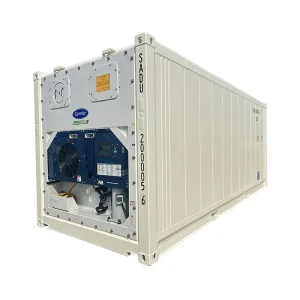
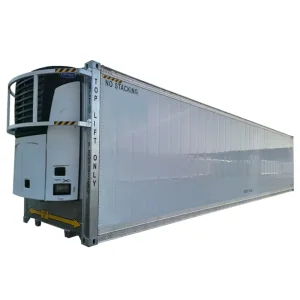
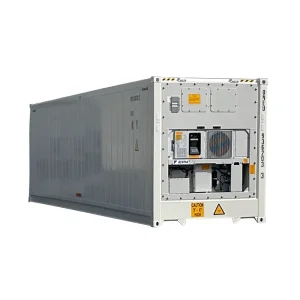
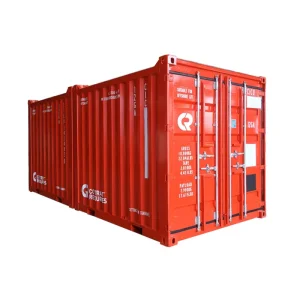
For combined temperature-sensitive freight across cross-border rail and deep-sea routes, CIMIC provides Carrier, Thermo King, and Daikin-driven cold preservation solutions. Combining custom roll-up and side-access doors allows dynamic cross-docking operations while preserving internal controlled atmospheres down to -30°C.
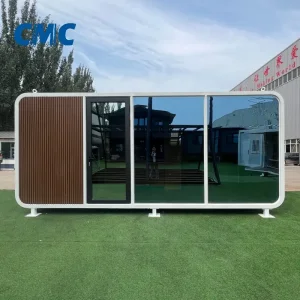
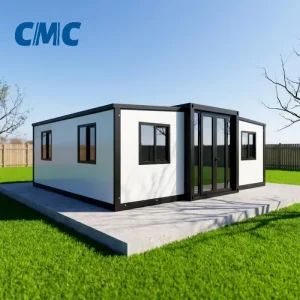
The convergence of open platform shipping containers with modern modular construction has spurred the rapid deployment of Apple Cabins, prefabricated field offices, and scalable mobile clinics. Using high-tensile corner castings and precision-welded framework, these modular pods ensure seamless stacking and intermodal shipment as standard sea cargo.
How customized open containers solve extreme geographic, maritime, and operational terrain constraints across continents.
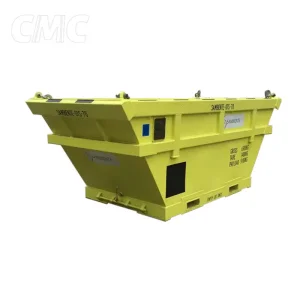
Marine logistics demand certified DNV 2.7-1 / EN 12079 compliance. Silt basket containers and offshore dry cargo units feature stainless steel hardware, anti-corrosive multi-coat zinc silicates, and custom internal securing points to withstand high wave impacts during transfer from supply vessels to drill platforms.
Remoteness and absent crane infrastructure demand multi-modal flexibility. Soft open-top containers equipped with heavy-duty PVC tarpaulins and swiveling rear header beams enable top crane loading in port hubs, followed by simple direct fork unlashing in remote developing mine sites.
Long rail transits spanning variable climate zones (-40°C in winter to +40°C in summer) require specialized structural thermal isolation. Our passive insulated containers and platform frame structures maintain load stability without mechanical breakdown or power grid dependencies.
Strategic advancements in metallurgy, IoT monitoring, and low-carbon manufacturing driving the future of intermodal sea freight.
Transitioning to ultra-high-yield atmospheric corrosion resistant steels, reducing tare weight by 12% while increasing gross permissible payload up to 34,000 kg.
Integrating real-time satellite strain gauges, door-seal breach sensors, and accelerometer sensors to track torsional stress across turbulent ocean voyages.
100% automated robotic fabrication at Tianjin manufacturing bases ensures pore-free structural welds, exceeding global maritime fatigue life cycle criteria.
Pioneering waterborne low-VOC epoxy systems that resist up to 3,000 hours of continuous ASTM B117 salt spray exposure without environmental toxicity.
Explore customized offshore baskets, modular living units, and hard open-top cargo containers built to exact industrial blueprints.
Comprehensive engineering insights for procurement directors, logistics engineers, and shipping fleet managers.