Engineered to rigorous ISO, BV, and CSC criteria for international ocean freight, cold chain operations, and secure modular habitation.
Current geopolitical, economic, and logistical headwinds driving structural changes in overseas container sourcing and container manufacturing.
Global supply chain volatility has heightened structural container distribution mismatches. While consumption hubs across Europe and North America frequently encounter regional equipment deficits, Chinese manufacturing clusters anchor the baseline supply by producing more than 90% of global standardized ISO dry vans and specialized refrigeration units.
IMO 2030 and 2050 directives are accelerating the phase-out of high-GWP refrigerants (such as R134a) in favor of energy-efficient cooling matrices using low-GWP alternatives like R513A and natural CO2 (R744). Equipment buyers require lifecycle analyses from factory gate to maritime operational routes.
Standard sea containers are morphing into high-value engineered assets. BESS (Battery Energy Storage Systems), mobile hydrogen conversion pods, automated cold rooms, and DNV offshore exploration units reflect an ongoing shift toward custom ODM platforms over basic dry cargo boxes.
Indicative baseline pricing based on factory FOB loading (Tianjin/Qingdao/Shanghai). Final contract costs depend on raw material shifts, paint formulas, and certification tiers.
| Container Classification | Dimensions & Configuration | Material / Refrigerant Core | Indicative Price (New Build FOB) | Cargo / Inspection Certs |
|---|---|---|---|---|
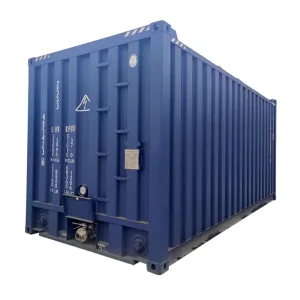
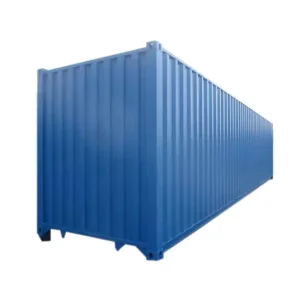
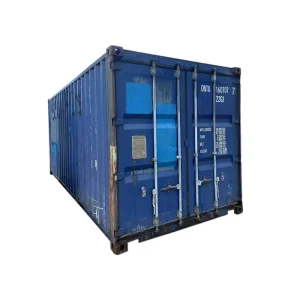
| Standard Dry Van (GP) | 20ft x 8ft x 8ft 6in | Corten-A Weathering Steel (SPA-H) | $1,850 - $2,350 | ISO 1496-1, CSC Plate, BV |
| High Cube Dry Van (HC) | 40ft x 8ft x 9ft 6in | Corten-A Steel, 28mm Apitong Floor | $3,200 - $3,900 | ISO, CSC, ABS / BV Certified |
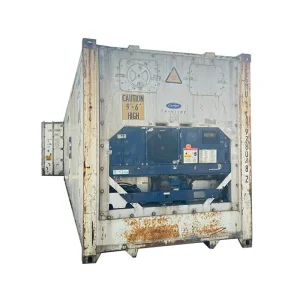
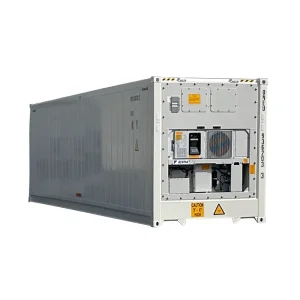
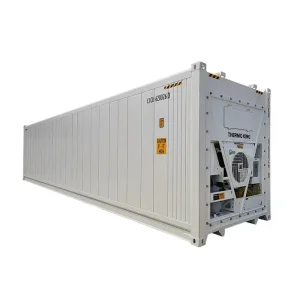
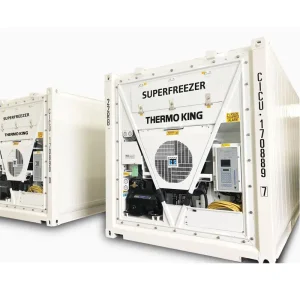
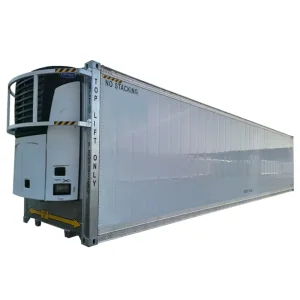
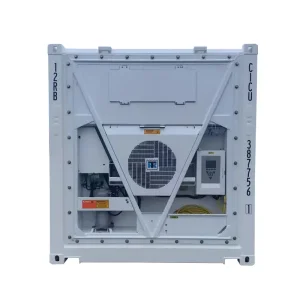
| Marine Reefer Container | 40ft HC (Carrier / Daikin / Thermo King) | SUS304 Stainless Interior, Polyurethane | $14,500 - $19,800 | ISO 1496-2, BV, TIR, ATP Certificate |
| Insulated Thermal Unit | 40ft HC Thickened Foam (Passive) | Heavy-duty Sandwich Insulation Panels | $7,200 - $9,500 | ISO Standard, BV Inspection |
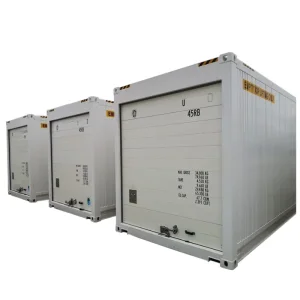
| DNV Offshore Container | 10ft / 20ft Cargo Basket / Enclosure | Charpy V-Notch Steel, Lifting Slings | $6,800 - $11,200 | DNV 2.7-1 / EN 12079 |
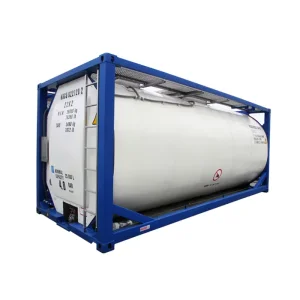
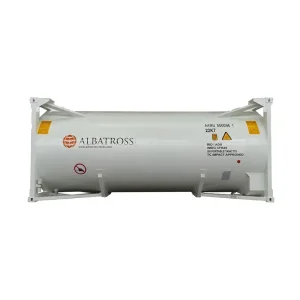
| ISO Tank Container | 20ft T11 Stainless Vessel (25,000L) | 316L Stainless Steel Shell (Insulated) | $16,500 - $22,000 | ASME, IMDG, RID/ADR, USDOT |
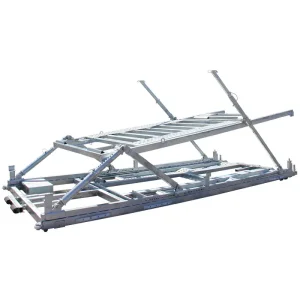
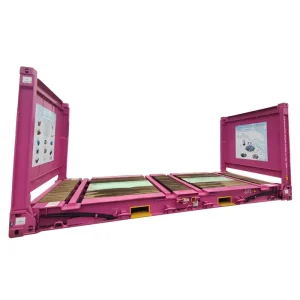
| Cargo Transport Racks | 40ft Automotive Intermodal Rack | Reinforced High-Yield Structural Steel | $4,100 - $6,400 | Intermodal Rail & Ocean Standard |
Weathering Steel Anti-Corrosion
Reefer Digital Precision Control
Carrier / Daikin Working Range
Offshore Dynamic Lifting Norm
Why China remains the foundational center of specialized container fabrication, engineering speed, and scale.
Immediate access to domestic steel mills producing marine-grade SPA-H Corten steel, alongside localized aluminum extrusions, eco-friendly solvent-free paint coatings, and raw polyurethane insulation materials, provides total price transparency and insulates schedules from cross-border supply bottlenecks.
Modern factories utilize continuous robotic MIG/TIG welding, automated roll-forming lines, laser profiling, and multi-stage automated shot-blasting systems. This delivers tighter assembly tolerances, reliable seam integrity, and consistent anti-corrosion barrier application.
Production facilities located across industrial zones such as Tianjin and Suzhou operate within 100 kilometers of deep-water commercial container berths. This proximity cuts drayage friction, simplifies pre-trip inspections (PTI) for reefers, and lowers total FOB/CIF transit lead times.
Containers are modular industrial building blocks. Selecting the right shell profile, door geometry, and insulation matrix depends directly on working conditions.
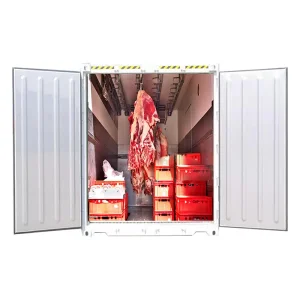
Fitted with stainless steel internal rails, drainage vents, and digital data-logging Carrier or Daikin machinery. Designed to maintain internal transit temperatures from -25°C down to -60°C for overseas transport of fresh hung beef, pork carcasses, and ocean fish catches.
ISO standard square frames integrated with cylindrical 316L/304 vessels, internal anti-wave baffles, safety relief devices, and thermal heating elements for the safe bulk transfer of industrial chemicals, food-grade oils, and petrochemical distillates.
Certified strictly under DNV 2.7-1 / EN 12079, these units feature heavy-duty padeyes, calibrated lifting sling sets, low-temperature impact-tested steel, and sealed electrical conduits for hostile North Sea and tropical gulf operating environments.
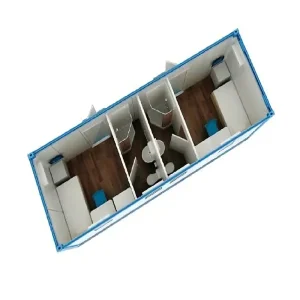
Reinforced standard 20ft and 40ft shells modified with structural cut-outs, fireproof rockwool insulation, integrated plumbing, and electrical distribution for remote mining camps, construction site field offices, and off-grid modular shelters.
The structural transformation of maritime logistics equipment through automation, satellite visibility, and sustainable materials.
Factory-integrated sensor arrays track real-time container GPS coordinates, internal atmospheric levels (O2/CO2 in controlled atmosphere units), refrigeration door openings, and compressor vibrations, alerting operators to failures before cold chain cargo is lost.
Next-generation intermodal builds combine high-tensile hot-rolled steel skeletons with composite polymer wall skins to cut tare weights by up to 14%. This directly increases operational cargo capacity without sacrificing stacking load tolerance.
With R134a phases tightening, testing centers are scaling CO2 refrigerant loops and integrated solar roof elements. These can trickle-charge telematics batteries or offset generator set draw on long haul rail and intermodal lines.
Stringent third-party verification safeguards international shipping legality, structural safety, and long-term asset value.
Every newly constructed dry and reefer ocean container carries an authentic CSC (International Convention for Safe Containers) safety approval plate. Quality checks are witnessed and audited on-site by Bureau Veritas (BV), ABS, or CCS inspectors covering corner-casting tolerances and transverse rigidity.
Offshore containers undergo strict radiographic and ultrasonic weld inspections, extreme temperature Charpy drop tests (-20°C / -40°C), and certified four-point dynamic lifting assessments to prevent offshore crane handling failures.
For repurposed or secondary-market port inventory, units receive a documented Pre-Trip Inspection (PTI) for reefers and a structured Cargo Worthy (CW) / IICL-5 survey report, ensuring wind, water-tight (WWT) integrity and sound wooden floorboards before release.
Engineered shipping assets tailored to chemical transport, platform exploration, rolling stock, and custom access configurations.
Clear, direct answers addressing structural compliance, export handling, warranties, and customization lead times.
