Explore directly factory-sourced dry freight, customized side-loading enclosures, and intelligent active-refrigeration units engineered to strict Bureau Veritas and ISO 1496/1 structural standards.
In intermodal transit across marine vessels, transcontinental rail beds, and long-haul chassis, securing a shipping container is a multi-layered discipline encompassing physical tamper-proofing, corner casting metallurgy, dynamic lashing calculations, and international security certifications.
Global supply chains mandate mechanical ISO 17712:2013 "H"-category bolt seals capable of withstanding tens of thousands of Newtons of tensile and shear stress, protecting freight integrity under C-TPAT and Authorized Economic Operator (AEO) directives.
High-cube and heavy dry cargo containers experience severe torsion ("racking") on ocean carriers. Heavy-duty zinc-plated Corten steel locking rods with integrated cam-keepers prevent door seal shearing and keep the weatherproof gasket hermetically compressed.
Governed by the International Convention for Safe Containers (CSC 1972), physical container integrity requires verified stacking capacity exceeding 192,000 kg (9-high laden stack), supported by Bureau Veritas (BV) or Lloyd's Register testing.
Proper securement extends inside the box. Heavy-duty forged D-rings (2,000 kg to 5,000 kg breaking force), integrated lashing tracks, and corrugated Corten sidewalls absorb surge forces during emergency vessel maneuvering and rail switching shock loads.
Direct manufacturer export pricing varies based on raw SPA-H Corten steel indices, specialized insulation foam formulations, certified DNV welding protocols, and integrated refrigeration mechanics.
| Container Classification | Dimensions & Tare Rating | Securing & Structural Features | Certification Standards | Estimated Export Price (FOB China Port) |
|---|---|---|---|---|
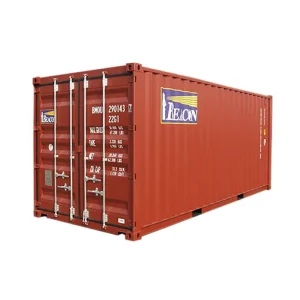
| 20ft Standard Dry Cargo Container | 20' x 8' x 8'6" | Tare: ~2,200 kg | Lockbox fitted, 4x anti-rack locking bars, 8 corner castings | ISO 1496-1 / BV / CSC | $1,650 – $2,150 |
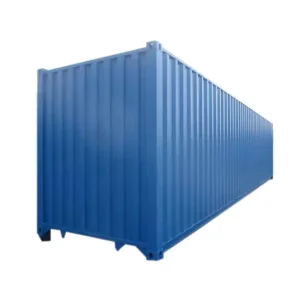
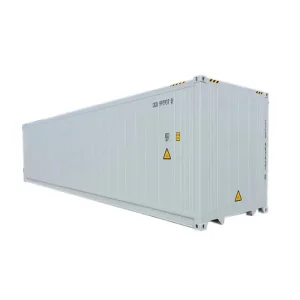
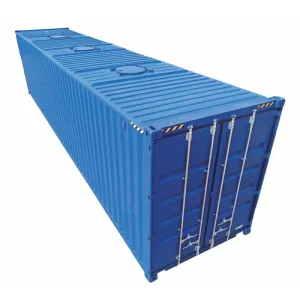
| 40ft High Cube Dry Cargo Container | 40' x 8' x 9'6" | Tare: ~3,950 kg | Dual-end access options, reinforced Corten corner posts, heavy D-rings | ISO / BV / CSC / TIR | $2,750 – $3,450 |
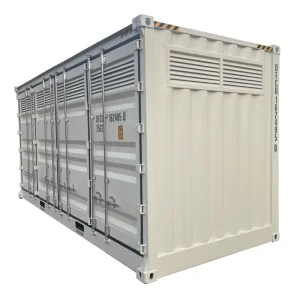
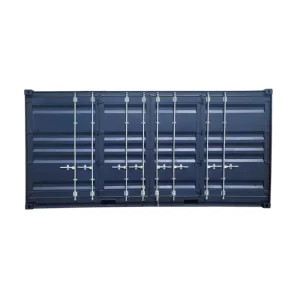
| 20ft Side Open Door Dry Container | 20' x 8' x 8'6" | Tare: ~3,100 kg | Full-side bi-fold doors, multipoint latch mechanisms, integrated lockboxes | CSC Safety / ISO Custom | $3,200 – $4,100 |
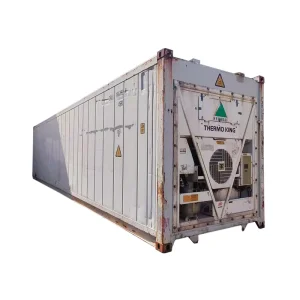
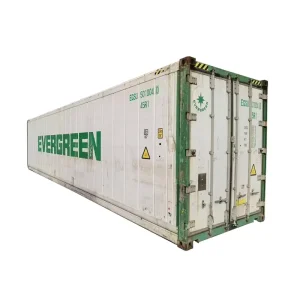
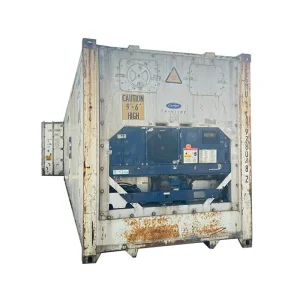
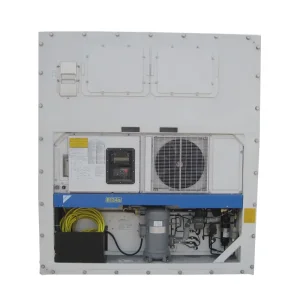
| 40ft High Cube Active Reefer Container | 40' x 8' x 9'6" | Tare: ~4,600 kg | Thermo King / Carrier / Daikin units, hermetic T-floor lashing, data logger | ATP / BV / CSC / CE | $11,800 – $15,600 |
| 40ft Thickened Foam Insulated Container | 40' x 8' x 9'6" | Tare: ~3,800 kg | Passive polyurethane sandwich wall core, heavy cam-action locks | BV / ISO Marine | $5,200 – $6,800 |
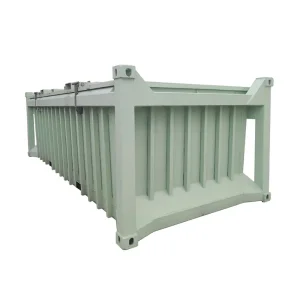
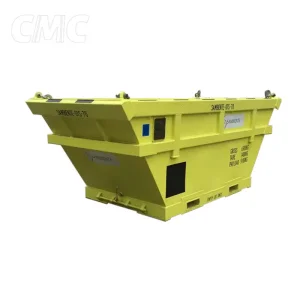
| DNV 2.7-1 Offshore Silt Basket / Cargo Unit | Customized Half-Height / Open Basket | Certified 4-point pad eyes, marine lifting slings, high-yield alloy steel | DNV 2.7-1 / EN 12079 | $4,500 – $7,900 |
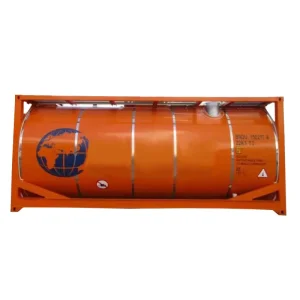
| 20ft ISO Liquid Tank Container | 20' ISO Frame | 21,000L – 26,000L | 316L stainless steel shell, bottom outlet secondary containment lock | ASME / UN Portable / IMDG | $13,500 – $18,200 |
| Certified Used 40ft HC Reefer / Dry Units | 40' x 8' x 9'6" (Fleet Retired) | Structural PTI checked, cargo-worthy surveyed, wind/watertight verified | Valid CSC Survey | $3,800 – $6,200 |
The container manufacturing and export industry is rapidly shifting from passive steel enclosures to sensor-integrated, tamper-evident intelligent assets capable of end-to-end telemetry and autonomous physical security verification.
Modern secured containers incorporate GPS/cellular micro-sensors inside door handle rivets. Any unauthorized unlocking attempt or seal disconnection instantly alerts the cloud platform via satellite link, preventing en-route pilferage.
By refining low-alloy Corten-A steel formulations, Chinese fabricators minimize tare weight without compromising torsional rigidity. Containers withstand higher sea stack accelerations while extending anti-corrosion life past 20+ years.
Port automation demands precision corner castings compliant with ISO 1161 tolerance envelopes. Factory production uses robotic CNC milling to guarantee flawless engagement with terminal spreader twist-locks and vessel semi-automatic lashing shoes.
Securing requirements diverge dramatically between cross-ocean deep sea voyages, high-impact rail vibration corridors, hazardous oilfield drilling platforms, and remote off-grid modular cold store setups.
Vessels stacking up to 10-tiers high subject lower container corner posts to massive compressive loads (exceeding 848 kN per post). Securing requires calibrated bridge fittings, turnbuckles, and high-tensile lashing rods certified by Bureau Veritas.
Longitudinal train shunting produces sudden 2G to 4G deceleration impacts. Container cargo securing relies on internal timber blocking, composite strapping, and anti-slip dunnage mats anchored to the 28mm Apitong marine-grade plywood flooring.
DNV-certified offshore silt baskets and half-height ore containers operate in hostile sea states. Four-part wire rope slings attached to forged marine pad eyes ensure load-bearing security during open-sea dynamic crane transfers to supply vessels.
When used as on-site storage vaults or temporary cold storage rooms, shipping containers prevent break-ins using heavy steel padlock shrouds ("lock boxes"), hardened alloy hasps, and internal security escape latches for personnel safety.
Positioned in Tianjin FTA Pilot Area and Suzhou, approximately 100 km from major ocean freight terminals, our production infrastructure bridges initial engineering consultations with international compliance and door-to-door delivery.
Every commercial procurement begins with specialized 1-on-1 mechanical design. Whether modifying door apertures (bi-fold, roll-up shutter), reinforcing chassis crossmembers, or custom-engineering reefer generator mounting frames, technical CAD models are validated before production.
All newly fabricated dry and reefer containers undergo pre-delivery checks: automated laser dimensional verification, water-tightness spray chamber testing (ISO 1496-1), welding radiographic spot checks, and pre-trip inspections (PTI) for refrigeration units.
To optimize ocean freight costs for international buyers across Africa, Europe, North America, and Australia, we coordinate SOC (Shipper Owned Container) one-way revenue cargo loading, drastically reducing empty positioning repositioning expenses.
A strategic architectural timeline tracing the transition from passive mechanical securing mechanisms to autonomous, digitized, and decarbonized intermodal container solutions.
Integration of low-power wide-area network (LPWAN) sensors directly embedded into container corner castings and door gaskets. Continuous monitoring of internal humidity, temperature, door integrity, and real-time geographic geofencing coordinates.
Adoption of ultra-high tensile, low-carbon recyclable steel alloys reducing tare weight by 15%. Transition away from traditional tropical hardwood plywood towards recyclable bamboo composites and antimicrobial composite non-slip deck coatings.
Automated electromagnetic twist-lock engagement, blockchain-verified electronic bills of lading tied to tamper-evident smart locking mechanisms, and self-powered kinetic energy harvesting from transit motion vibrations.
Direct answers from our senior engineering team to assist global freight forwarders, fleet managers, and container trading companies in making informed procurement decisions.
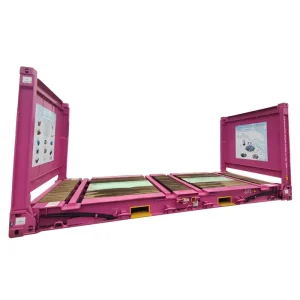
Our reefer, dry, and insulated container lines are manufactured in 10ft, 20ft, 20ft high cube, 40ft, and 40ft high cube formats. Specialized units including half-height ore carriers, side-open door units, roll-up shutter models, open-tops, DNV offshore baskets, platform flat racks, and modular accommodation structures are custom-built to customer CAD specifications.
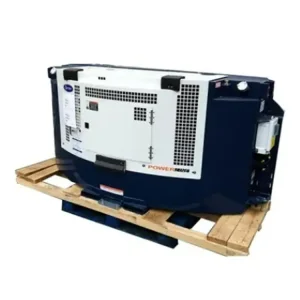
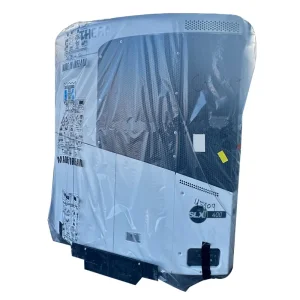
We supply new and certified used reefer containers fitted with leading marine cooling units: Thermo King (Magnum Plus), Daikin (LXE series), and Carrier Transicold (PrimeLINE). Our engineers assist in matching appropriate compressor capacities, dual-voltage power setups (380V/460V), and clip-on diesel generator sets based on target temperature setpoints.
CIMIC operates under ISO 9001 quality management with production certified by Bureau Veritas (BV). Every unit built for maritime carriage includes a valid stainless steel CSC (Convention for Safe Containers) safety approval plate. Offshore containers comply with DNV 2.7-1 and EN 12079 structural drop-test and lifting standards, accompanied by full mill test and NDT inspection reports.
An active reefer container incorporates an electrically driven cooling unit to actively freeze or heat cargo down to -30°C or up to +30°C, requiring constant three-phase power or a diesel genset. An insulated container features thick polyurethane or polyisocyanurate foam panels between Corten skins to passively retain temperature without mechanical systems, ideal for short-sea produce transport.
Our second-hand inventory represents cargo-worthy (CW) and IICL-5 certified boxes retired from major international ocean carriers, held at port depots in Tianjin, Qingdao, and Shanghai. Before dispatch, units undergo structural door alignment checks, floor delamination assessments, corner casting flaw detection, and a light-leak test ensuring 100% wind-and-watertight (WWT) compliance.
Standard ISO dry containers in stock can be ordered in quantities as small as 1 unit. For tailor-made OEM/ODM engineering builds (custom door placements, specialized insulation thicknesses, non-standard lengths, or hazardous chemical configurations), standard MOQs range from 2 to 5 units, with factory tooling and prototype fabrication cycles typically taking 15 to 30 days.
Review additional direct-factory units, including 40ft High Cube dry boxes, DNV offshore silt carriers, dangerous goods side-access containers, and ISO tank transport systems.