Procure precision-engineered 20-foot and 40-foot structural configurations crafted under ISO/CSC certified supervision. Direct mill-to-port dispatch from China's central logistics hubs.
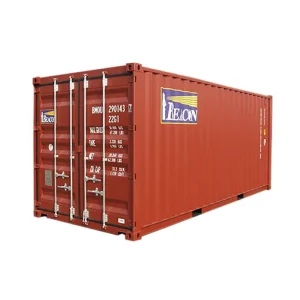
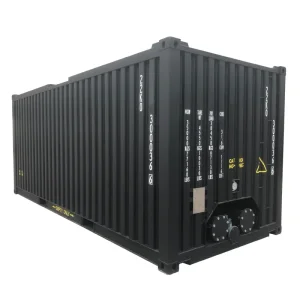
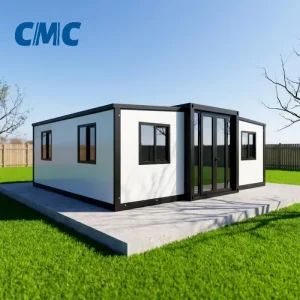
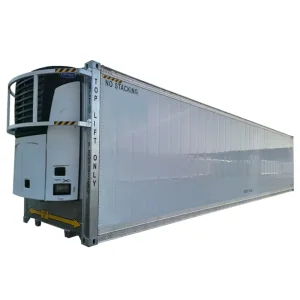
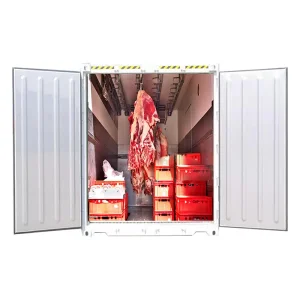
Standard ISO containers traditionally operate at an exterior height of 8 feet 6 inches (2,591 mm). The strategic transition toward the 9-foot-6-inch (2,896 mm) High Cube 20-foot format represents an engineering breakthrough for volumetric payload optimization and modular integration.
By adding an extra vertical foot across a standard 20-foot footprint, internal usable volume increases from approximately 33.2 m³ to 37.4 m³ (1,320 cu ft). This allows international shippers to circumvent dead-weight limits when conveying high-volume, low-density materials such as advanced electronics, insulation rolls, aerospace components, and palletized FMCG products.
Modern 20ft High Cube containers produced by premier exporters like CIMIC utilize cold-rolled SPA-H atmospheric corrosion-resistant steel (Corten). The enhanced side corrugated panels (1.6 mm to 2.0 mm thickness) and 4.0 mm tubular corner posts endure intense dynamic marine pitch-and-roll cycles while easily sustaining stacked static loads up to 192,000 kg.
Equipped with 28 mm marine-grade hardwood plywood treated according to Australian Quarantine Inspection Service (AQIS) standards, or heavy-duty galvanized anti-skid steel plates. Floor sub-assemblies feature closely spaced transversal C-channel crossmembers guaranteeing safe forklift axle loadings of 5,460 kg (12,000 lbs) or project-specific 7,260 kg options.
Comprehensive comparison outlining standard ISO 20ft dry units versus 20ft High Cube containers manufactured by certified exporters.
| Dimensional & Mechanical Parameter | Standard 20ft General Purpose (GP) | High Cube 20ft Intermodal (HC) | High Cube 20ft Specialized / Reefer |
|---|---|---|---|
| Exterior Length (mm / ft) | 6,058 mm (19' 10.5") | 6,058 mm (19' 10.5") | 6,058 mm (19' 10.5") |
| Exterior Width (mm / ft) | 2,438 mm (8' 0") | 2,438 mm (8' 0") | 2,438 mm (8' 0") |
| Exterior Height (mm / ft) | 2,591 mm (8' 6") | 2,896 mm (9' 6") | 2,896 mm (9' 6") |
| Internal Height Clearance | 2,393 mm (7' 10.2") | 2,698 mm (8' 10.2") | 2,540 mm (with T-floor / airflow ducting) |
| Tare Weight (Base Dry Configuration) | 2,200 kg (4,850 lbs) | 2,380 kg (5,247 lbs) | 2,950 kg – 3,400 kg (machinery dependent) |
| Maximum Payload Allowance | 28,280 kg (62,346 lbs) | 28,100 kg (61,950 lbs) | 27,080 kg (59,700 lbs) |
| Cubic Capacity | 33.2 m³ (1,172 cu ft) | 37.4 m³ (1,320 cu ft) | 28.5 – 32.0 m³ (insulated cavity) |
| Door Opening Dimensions (W × H) | 2,340 mm × 2,280 mm | 2,340 mm × 2,585 mm | 2,290 mm × 2,535 mm |
| Certifications & Accreditations | ISO 668, ISO 1496-1, CSC Plate | ISO 668, ISO 1496-1, CSC, BV, ABS | DNV 2.7-1 / EN 12079, ATP, CSC, Lloyd's |
Institutional buyers, defense contractors, intermodal logistics providers, and EPC engineering conglomerates operate under rigorous procurement protocols when ordering container fleets from China.
Procurement teams avoid single-facility bottlenecks. Tier-1 exporters like CIMIC maintain dual manufacturing footholds across Tianjin and Suzhou located roughly 100 kilometers from deepwater ports. This guarantees continuous production runs of thousands of TEUs annually, insulating global buyers against regional port congestions.
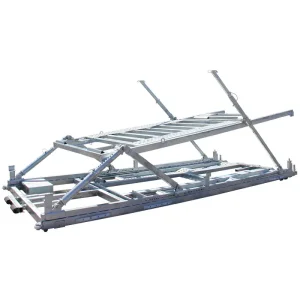
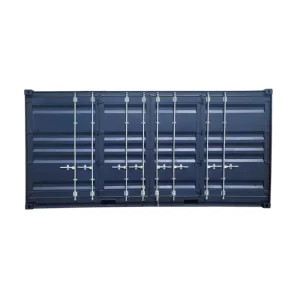
Modern procurement requires turnkey modification: specialized side-curtain conversions, roll-up shutter access, reinforced bulkhead frames for high-density mining machinery, or integrated internal racks for automotive shipping. Direct CAD/CAM drawing approval prior to line stamping ensures zero re-engineering post-delivery.
Quality teams demand complete digital provenance: raw Corten-A chemical composition certificates, non-destructive ultrasonic testing (NDT) records of corner casting welds, zinc-rich epoxy paint thickness gauges (exceeding 120μm DFT), and airtight vacuum testing documentation for refrigerated variants.
The 20ft High Cube form factor is the foundational building block for complex multi-sector industrial systems across harsh global terrains.
The global energy transition has driven unprecedented demand for 20ft High Cube containers customized as Battery Energy Storage Systems (BESS).
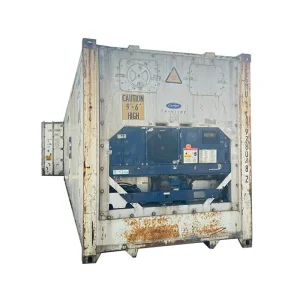
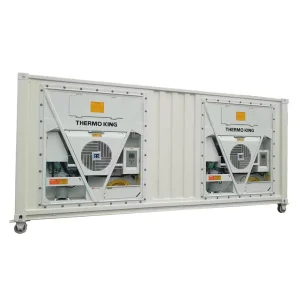
Pharmaceutical distribution and fresh perishables rely on precision deep-freeze solutions powered by Carrier, Thermo King, and Daikin machinery.
Open-sea platforms and remote extractive mining camps require containerized engineering certified under rigorous marine safety covenants.
Importing high cube containers requires navigation through intricate maritime, customs, and technical certification corridors. Leading exporters implement comprehensive regulatory protocols.
Every 20ft High Cube container departing China ports must bear an authentic, non-corrosive stainless steel CSC (International Convention for Safe Containers) safety approval plate. Exporters coordinate third-party statutory surveys through Bureau Veritas (BV), American Bureau of Shipping (ABS), Det Norske Veritas (DNV), or China Classification Society (CCS), ensuring immediate legal integration into international stack and intermodal rail car slots.
Timber floorboard decay and pest vectors pose major quarantine liabilities for shipments destined for Australasia, the EU, or North America. Plywood floors undergo intensive chemical pressure treatment (TMT or radical heat processing) compliant with AQIS protocols and marked with international treatment badges, preventing costly destination port fumigation delays or cargo impoundment.
Exporting containers as Shipper Owned Containers (SOC) grants buyers immense freight savings, sidestepping carrier demurrage and detention fees. Verified exporters provide clean Bills of Lading, validated commercial invoices, Certificate of Origin (CO/Form A/Form E), EPA/fluorinated gas declarations (for reefer units), and customs declaration paperwork directly handled by specialized in-house forwarders.
To optimize freight expenditure, reputable exporters provide "One-Trip" cargo arrangements, allowing empty containers to haul commercial export freight to destination terminals (e.g., Rotterdam, Houston, Hamburg, Durban, Melbourne). This offsets ocean transportation charges, ensuring buyers receive pristine, unweathered containers at a fraction of baseline repositioning cost.
The intermodal hardware sector is moving through rapid technological disruption driven by industrial decarbonization, automation, and intelligent edge-computing telematics.
Next-generation 20ft containers feature flush-mounted, self-charging solar IoT micro-controllers. These track real-time container coordinates, door breach events via optical sensors, shock/impact thresholds (G-forces), ambient humidity, and interior structural stress via continuous low-earth orbit (LEO) satellite constellations.
To fulfill global Scope 3 emissions commitments, manufacturers are transitioning to Green Steel produced via hydrogen-based Direct Reduced Iron (DRI) electric arc furnaces. Simultaneously, solvent-free waterborne paints and high-solids polyurethane coatings replace traditional volatile organic compounds (VOCs).
Research into carbon-fiber-reinforced polymers (CFRP) and corrugated basalt composite panels promises to strip 25% of tare weight from 20ft high cubes while doubling thermal insulation barrier efficiency. This breakthrough provides higher cargo payloads without compromising stack rigidity.
Essential technical, operational, and commercial insights vetted by certified marine container engineers.
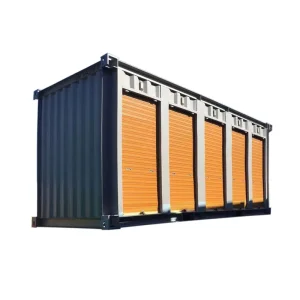
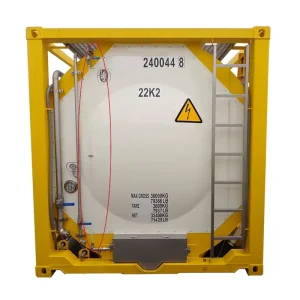
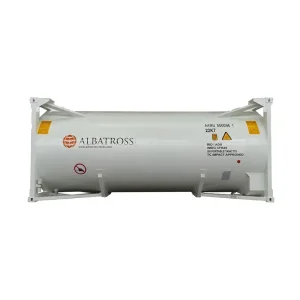
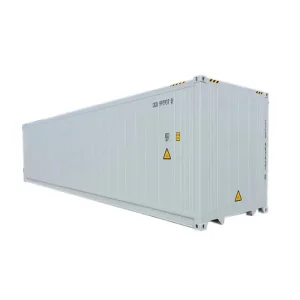
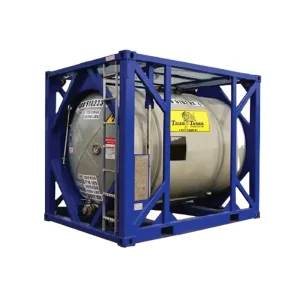
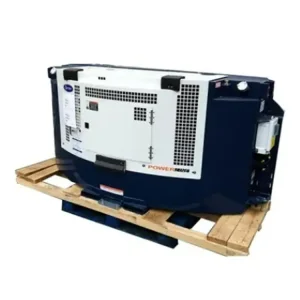
Explore specialized high-capacity tank units, bulk mineral carriers, energy generation systems, and insulated containers ready for direct overseas shipping.

Ensure project success before issuing Letters of Credit (LC) or wire transfers. Apply our verified four-pillar operational checklist when conducting factory audits on Chinese container fabricators.
Confirm whether the vendor is an established primary manufacturing group like CIMIC (operating since 1983) or an unvetted intermediate broker. Verify direct mill allocations with major steel producers (Baosteel, HBIS) to safeguard against volatile material surcharges.
Ensure Bureau Veritas, ABS, or DNV surveyors have permanent or resident testing access inside the assembly yard to conduct raw plate inspection, hydrostatic weld examinations, and cyclic load-deflection testing in real-time.
Production hubs situated within approximately 100 kilometers of deepwater terminals (such as Tianjin Xingang or Shanghai/Taicang) save up to $800–$1,200 per TEU in domestic low-bed trucking costs, ensuring punctual delivery alongside vessel cutoffs.
Insist on comprehensive Pre-Shipment Inspection (PSI) photo dossiers documenting individual unit serial IDs, CSC plate stampings, interior dry film thickness (DFT) paint metrics, and floor sealing before releasing terminal gate-in balances.
