
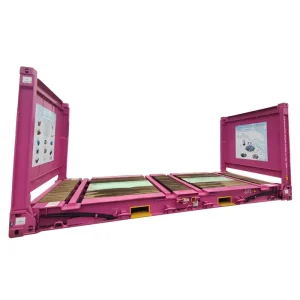
Direct factory configurations: heavy-haul flatracks, active cold storage chillers, high-cube dry boxes, and ATEX/hazardous chemical units certified under BV, ISO, and CSC safety standards.
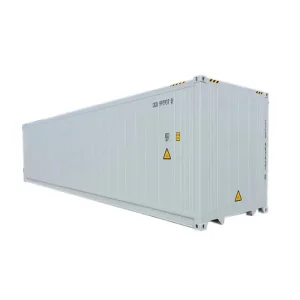
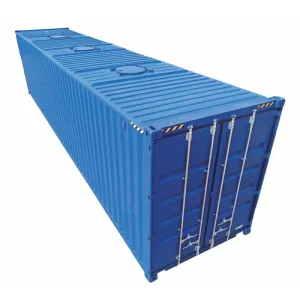
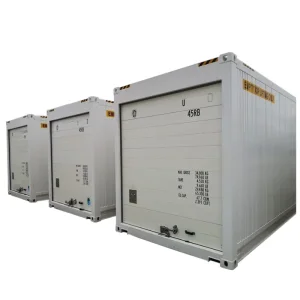
A granular, data-backed analysis for procurement executives evaluating capital expenditure across Corten weathering steel indices, thermal insulation compounds, and certified assembly workflows.
Over 55% of a dry freight container's base manufacturing cost stems directly from raw metallurgical inputs, predominantly SPA-H atmospheric corrosion-resistant steel. Global commodity fluctuations, blast furnace operating yields, and domestic iron ore sourcing determine baseline EXW production margins.
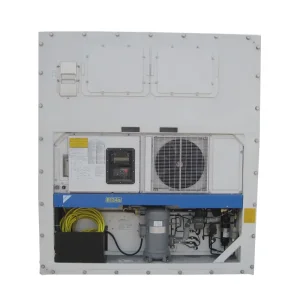
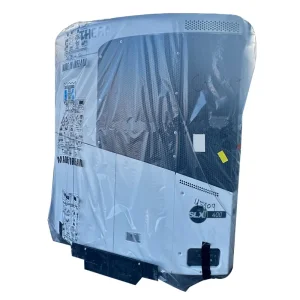
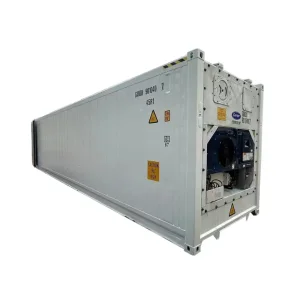
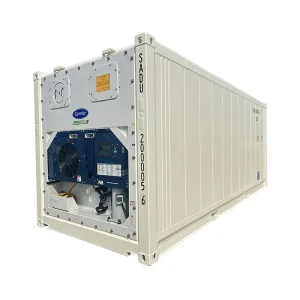
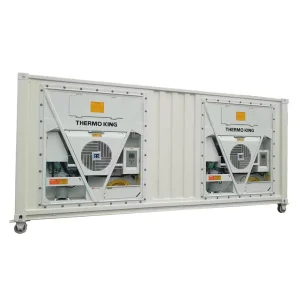
Active refrigeration intermodal containers carry significant mechanical and thermal premium costs. The integration of hermetic scroll or reciprocating chillers (Carrier Transicold, Thermo King, Daikin) coupled with 0.038 W/(m·K) cyclopentane blown rigid polyurethane foam dictates long-term thermal retention and overall lifecycle expenditure.
Sea container safety approvals demand unyielding third-party supervision. Compliance with the International Convention for Safe Containers (CSC), ISO 1496/1, UIC, TIR, and classification societies (Bureau Veritas, DNV, ABS, Lloyd's Register) adds non-negotiable proofing, floor treatment, and hydrostatic testing overhead.
| Container Specification | Structural Metallurgy | Standard Certifications | Primary Industrial Use-Case | Relative Cost Factor |
|---|---|---|---|---|
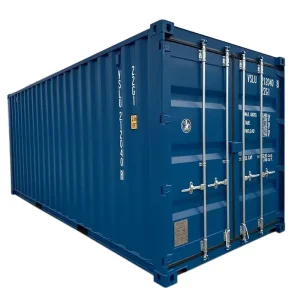
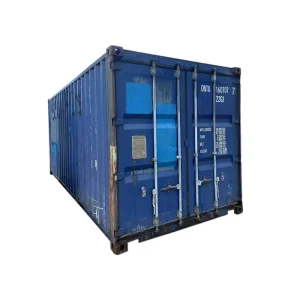
| 20ft Standard Dry Cargo (GP) | SPA-H Corten Steel (1.6-2.0mm) | ISO 668, CSC, BV, ABS | General ocean freight, dry raw mineral bags, retail cargo | Baseline Standard (1.0x) |
| 40ft High Cube Dry (HC) | Cor-Ten Atmospheric Plate | ISO 1496-1, TIR, UIC, BV | Volumetric low-density freight, furniture, electronics | 1.35x - 1.45x Baseline |
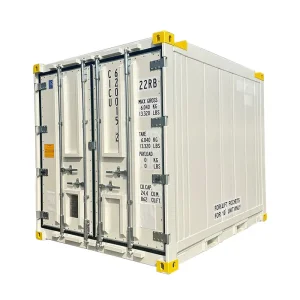
| 40ft High Cube Active Reefer | SUS304 Stainless Interior / Corten Exterior | ATP, ISO 1496-2, CSC, CE | Pharmaceutical logistics, fresh agricultural produce, meat/seafood | 4.2x - 5.1x Baseline |
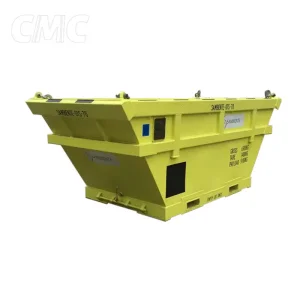
| DNV 2.7-1 / EN 12079 Offshore Unit | High-Grade Charpy Impact Steel | DNV-GL Type Approval, CSC | North Sea oil drilling, offshore wind power subsea gear transport | 3.5x - 4.8x Baseline |
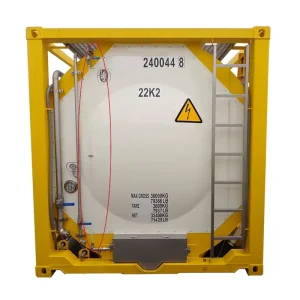
| 20ft ISO Tank Container (T11) | 316L Stainless Steel Shell (Insulated) | IMDG, ASME U-Stamp, ADR/RID | Hazardous liquid chemicals, food-grade edible oils, ethanol bulk | 5.5x - 7.0x Baseline |
How robotic arc welding, automated multi-stage pre-treatment, and integrated industrial clusters around Tianjin eliminate production variances while driving down the systemic sea container cost.
By shifting from manual flux-cored welding to 6-axis articulated robotic cells equipped with laser seam tracking, corrugated wall plates, sill tubes, and corner castings achieve uniform penetration depth with near-zero weld porosity. This precision minimizes rework overhead and eliminates microscopic water egress risks.
Every sheet steel profile undergoes closed-loop centrifugal wheel shot-blasting to Swedish SA 2.5 cleanliness standards before zinc-epoxy application. Complete oxidation removal ensures primer adhesion metrics above 5 MPa, extending sea container operational lifespans past 15 years in high-salinity oceanic environments.
Our manufacturing cluster in Tianjin and surrounding North China economic zones concentrates steel mills, marine hardware foundries (corner castings, lock rods, hinges), bamboo composite flooring presses, and paint synthesis hubs within a 60-mile radius, eliminating transport friction and supply lead-time volatility.
Savvy shipping consortia, container leasing enterprises, and infrastructure contractors recognize that the initial purchase price of an ISO intermodal container accounts for merely 35% of its total lifetime expenditure. The remaining 65% is consumed by ongoing depot maintenance, cor-ten rust rehabilitation, corner-post realignment, and seal gasket replacements. By leveraging China Factory 4.0 precision tolerances—such as 28mm 19-ply tropical hardwood flooring treated according to Australian Quarantine Inspection Service (AQIS) standards and robotic hot-dip galvanized door hardware—our containers yield an estimated 28% reduction in lifetime fleet maintenance expenses.
Analyzing modern container repurposing and intermodal demand across energy transitions, extreme-climate infrastructure, and industrial agricultural channels.
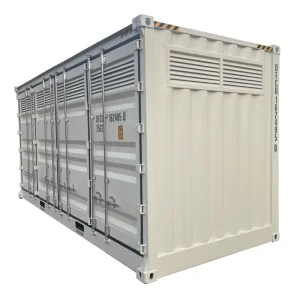
Structural 20ft and 40ft High Cube frames reinforced for Battery Energy Storage Systems (BESS), equipped with thermal insulation, fire-suppression raceways, explosion-relief hatches, and localized structural load bearings up to 36,000 kg.
Preserving sub-zero integrity for deep-sea biologics, frozen protein exports, and horticulture. Integrated with Carrier/Thermo King power generators and real-time IoT telematics for live internal temperature, CO2/O2 atmospheric monitoring, and GPS logging.
Architectural volumetric steel structures engineered for rapid-deploy hospitals, military command enclosures, and remote mining worker encampments. Compliant with structural building codes across the EU, Australia, and North America.
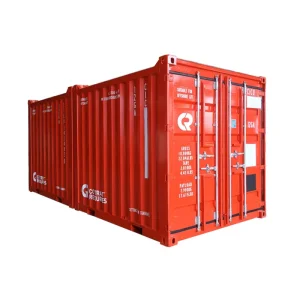
Built to DNV 2.7-1 and EN 12079 specifications, featuring certified 4-leg sling padeyes, heavy-gauge perimeter frames, and cryogenic Charpy V-notch steel capable of surviving -20°C dynamic wave actions during crane transfers.
Browse our certified offshore lifting units, chemical liquid tank containers, second-hand inspected carrier units, and ultra-low-temperature blast freezing sea containers.
Direct answers to complex inquiries submitted by marine fleet planners, offshore project engineers, and supply chain logistics directors.