
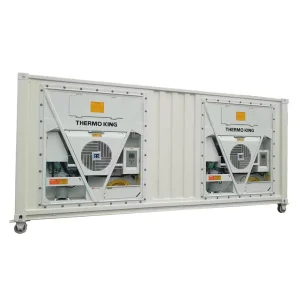
Engineered for high-volume offshore transfer, extreme cryogenic containment, and heavy-payload logistics backed by BV, ISO, and DNV certifications.
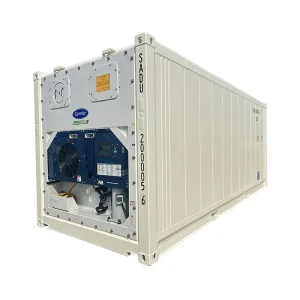
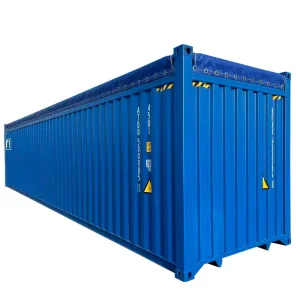
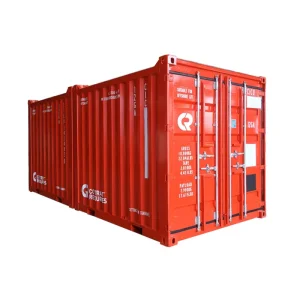
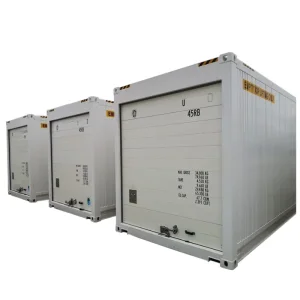
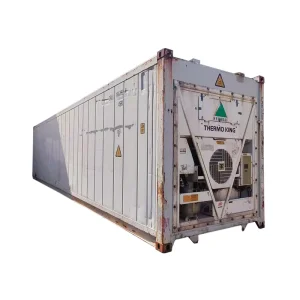
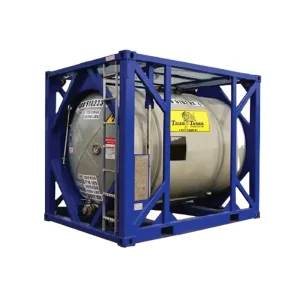
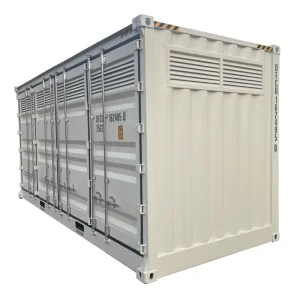
Modern industrial supply chains demand uncompromised containment integrity, zero heel retention, and optimized tare-to-payload ratios across complex intermodal pathways.
Built with high-tensile 316L stainless steel vessels, these units are specifically optimized for non-corrosive to aggressive liquid chemical containment. Equipped with robust bottom discharge systems, advanced burst-disc configurations, and ASME VIII shell tolerances, they represent the industry backbone for chemical logistics.
Specialized for LPG, LNG, liquid oxygen, and argon transshipment under extreme dynamic pressures. Incorporating high-vacuum multi-layer insulation (MLI), carbon or austenitic steel pressure shells, and pneumatic emergency shutoff valves (ESV), these containers ensure thermal stability over long maritime routes.
Designed for demanding open-sea drilling environments, these units feature heavy structural crash frames, four-point lifting pad-eyes, and specialized baffle geometries. They prevent catastrophic dynamic sloshing resonance during vessel-to-rig transshipment in harsh sea conditions.
How regulatory shifts, sustainability imperatives, and smart telemetry integration are fundamentally restructuring commercial procurement standards worldwide.
The global shift from road tankers and flexitanks to durable, reusable ISO tanks eliminates single-use polymer waste and delivers up to a 38% reduction in lifetime carbon intensity across multi-modal global freight corridors.
Next-generation fleets integrate ATEX Zone-1 certified telemetry systems. Real-time sensory networks continuously transmit shell wall temperature, pressure transients, ullage displacement, and GPS geo-fencing to global control towers.
Through finite element analysis (FEA) and cold-rolled high-strength alloy fabrication, structural tare weight is minimized while preserving structural stiffness. This allows global operators to maximize valuable product volume per journey.
For electronic-grade specialty chemicals, food additives, and premium reagents, inner shell surfaces receive mechanical polishing up to Ra < 0.2μm and electro-chemical pickling to eliminate cross-batch micro-contamination.
Engineered to withstand rigorous operational demands across key industrial sectors worldwide.
Engineered for hazardous chemical handling under strict ADR/RID and IMDG regulations. These units incorporate dual safety relief valves, high-efficiency steam-heating jackets, and specialized PTFE, PFA, or rubber internal linings to handle highly corrosive compounds safely.
FDA-compliant containment for liquid sugars, fruit juices, dairy derivatives, and premium spirits. Built with clean-in-place (CIP) spray heads, micro-filtered breathing vents, and automated thermal-control blankets to preserve product quality during transit.
High-efficiency vacuum-insulated multi-layered T75 tanks engineered for long-haul transport of liquid nitrogen, argon, and liquefied methane. Exceptional thermal insulation keeps boil-off rates below strict international thresholds over extended ocean journeys.
A rigorous manufacturing methodology ensuring full alignment with statutory international safety standards.
Every containment shell and outer frame undergoes comprehensive hydro-testing, X-ray weld inspection, and third-party validation by Bureau Veritas, Lloyd's Register, or DNV in strict adherence to CSC, ISO 1496-3, and ASME VIII standards.
Integration of intelligent heating circuits, glycol circulation loops, and automated temperature management modules, ensuring delicate viscosity control for shear-sensitive chemicals and waxes across variable climatic zones.
Full-scale adoption of solar-powered satellite transponders, real-time internal pressure sensors, predictive maintenance algorithms, and blockchain-verified proof of delivery for enterprise fleet visibility.
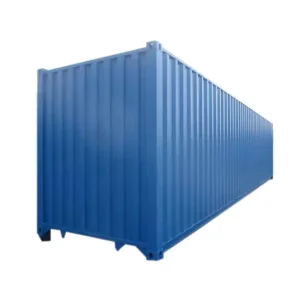
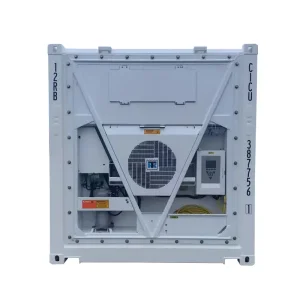
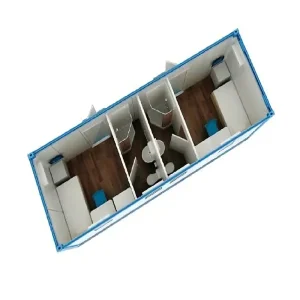
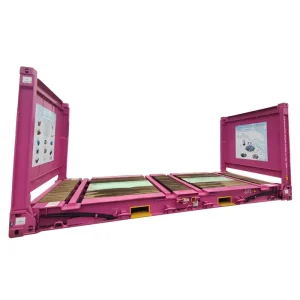
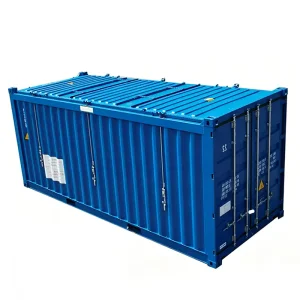
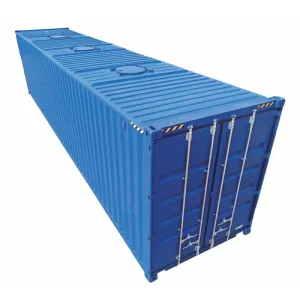
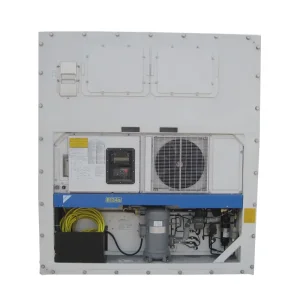
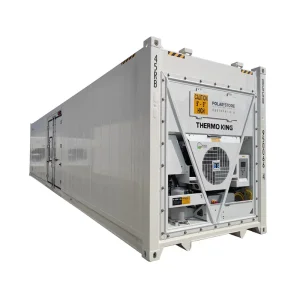
Explore our complete export line of high-cube, modular, platform, and heavy-duty bulk shipping equipment engineered for reliable industrial performance.
Authoritative guidance on tank container selection, regulatory compliance, inspection protocols, and operational management.