Engineered for extreme structural integrity, high thermal coefficient retention, and cross-border intermodal conformity.
The global ISO shipping container ecosystem stands as the undisputed backbone of international trade, accounting for over 90% of all non-bulk cargo moved worldwide. Originally codified under strict International Organization for Standardization (ISO) dimensions, modern container production has evolved from rudimentary steel enclosures into sophisticated, thermally managed, and digitally tracked logistics assets. China remains the undisputed global hub for container manufacturing, producing upwards of 85% to 90% of the world's intermodal freight inventory across premier industrial belts in Tianjin, Shanghai, and Guangdong.
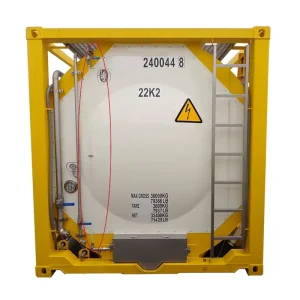
Historically dominated by conventional 20ft and 40ft dry vans, modern capital expenditure across logistics giants has radically shifted toward specialized, high-spec assets: deep-freeze reefers, vacuum-insulated tank units, DNV-certified offshore lifting boxes, and rapidly deployable modular architecture. This transformation is driven by geopolitical volatility, the near-shoring of critical electronics manufacturing, stringent food safety mandates, and the rising logistical friction caused by canal disruptions and localized tariff recalibrations. High-quality container manufacturing no longer merely entails cutting Corten steel; it demands certified metallurgical consistency, low global warming potential (GWP) refrigerants, and full compatibility with automated intermodal handling infrastructure.
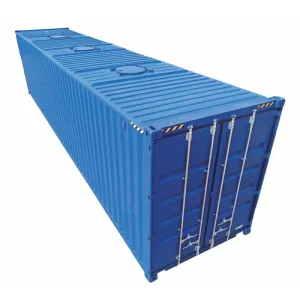
Every standardized unit is constructed with high-yield SPA-H Corten steel, engineered to generate an auto-passivating rust patina that arrests deep marine corrosion during severe sea-spray transits.
Our structural designs are verified by Bureau Veritas (BV), Det Norske Veritas (DNV), and comply with CSC requirements, guaranteeing that maximum gross weight and stacking parameters meet strict marine safety mandates.
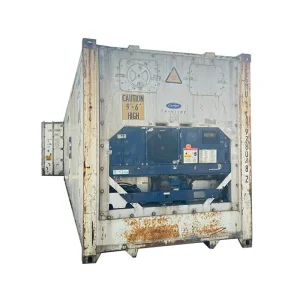
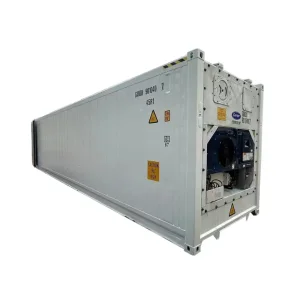
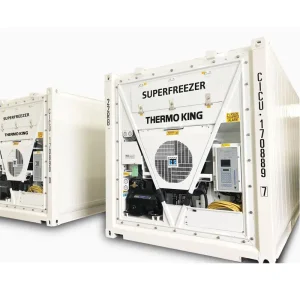
Reefer containers integrate cyclically optimized cyclopentane-blown polyurethane foam insulation, paired with micro-gap silicone gaskets to minimize heat leakage over 30-day ocean transits.
Addressing supply bottlenecks, intermodal decarbonization, and extreme off-grid operations through engineered container systems.
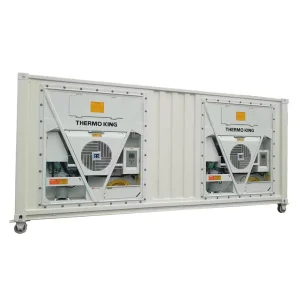
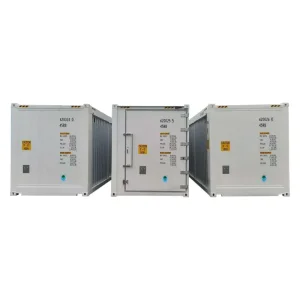
Adoption of variable-speed scroll compressors, Carrier and Daikin power management, and R-513A lower-GWP refrigerants to cut operational emissions by 38%.
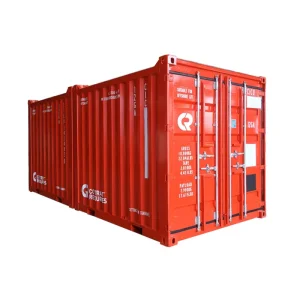
Offshore containers built to survive high-impact dynamic loading, sub-zero impact notch toughness, and multi-point master link slings on open-ocean oil platforms.
Cellular and satcom IoT sensors provide real-time reporting of internal container temperature, pressure, door breaches, and structural vibration during transit.
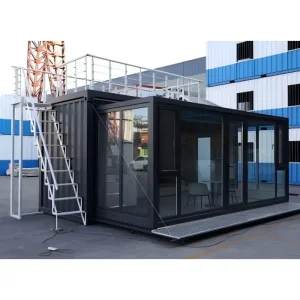
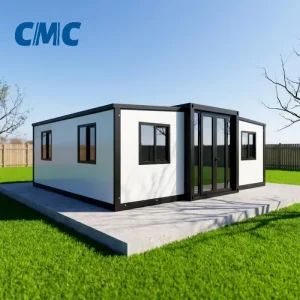
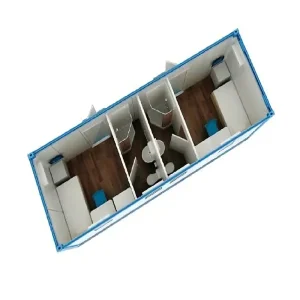
Conversion of ISO architectural frames into turnkey worker housing, clinical pods, and battery energy storage system (BESS) enclosures with pre-certified fire ratings.
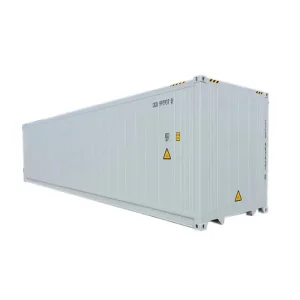
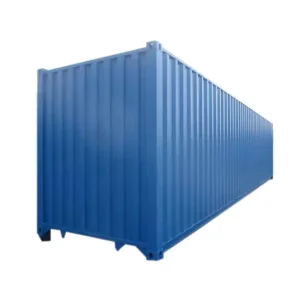
ISO containers engineered to withstand 9-high stacking loads on ultra-large container vessels (ULCVs). Advanced anti-corrosive multi-layer coatings protect surfaces from abrasive salt spray across high-salinity routes like the Red Sea, Indian Ocean, and Trans-Pacific passages.
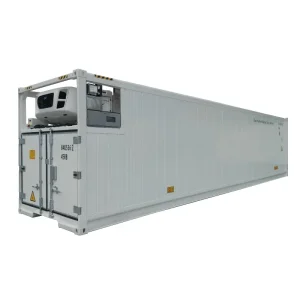
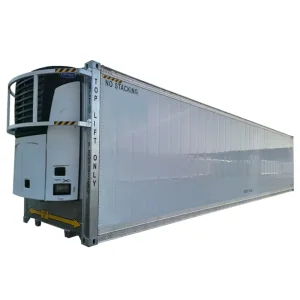
Engineered for intermodal flatcar integration, our specialized 45ft high-cube and railway refrigerated units withstand wide temperature swings (-40°C in Central Asia to +45°C in European summers) without structural deflection or refrigeration failure.
Our DNV-certified dry units and half-height ore carrier containers handle heavy mineral aggregates, rig support tools, and high-frequency dynamic crane hoisting in the North Sea, Gulf of Guinea, and Western Australia.
Direct technical validation for marine surveyors, fleet directors, and supply chain managers.
While standard ISO shipping containers follow ISO 1496-1 parameters for maritime stacking and multi-point corner casting lifts, DNV 2.7-1 / EN 12079 units are designed for severe open-sea dynamic impacts. DNV units utilize specific Charpy V-notch tested steel alloys to prevent brittle fractures at -20°C, and undergo extensive non-destructive testing (NDT) on primary structural welds.
Passive insulated containers use high-density, thickened polyurethane panels with thermal conductivity as low as 0.022 W/m·K to limit heat transfer without an external power source. Active reefers, however, pair high-performance insulation with electric or diesel-electric compressors (Carrier, Daikin, Thermo King), maintaining exact cargo temperatures between -35°C and +30°C on transoceanic journeys.
Every production unit leaves our factories with a consolidated CSC (Convention for Safe Containers) safety approval plate riveted to the exterior door leaf. This plate documents classification society approval (BV, DNV, ABS), tare weight, maximum gross mass, racking strength, and timber treatment certifications (such as Australian Quarantine compliance).
Our inspected off-hire containers undergo a comprehensive 7-point structural review. This covers floor cross-member integrity, corner post alignment, door seal elasticity, structural corrosion limits under IICL guidelines, and pressure tests on reefer cooling units to verify cargo-worthiness before final dispatch.
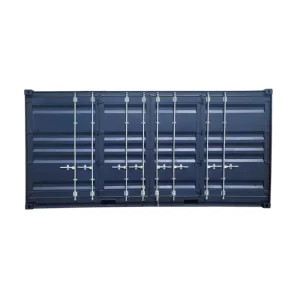
Browse our extended lineup of certified offshore, railway, bulk liquid, and custom side-opening containers.