Explore our certified intermodal solutions engineered for deep-sea endurance, extreme payloads, and controlled-atmosphere operations.
An authoritative analysis of intermodal asset deployment, environmental compliance, and structural resilience in cross-continental logistics.
Modern ocean containers utilize weathering SPA-H Corten steel treated with zinc-rich priming layers. These metallurgical compositions mitigate corrosion caused by oceanic salt spray, cyclic relative humidity, and harsh ballast washdowns, extending lifecycle utility beyond twenty years under ISO 1496-1 specifications.
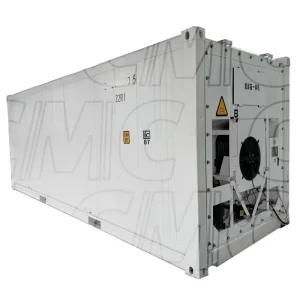
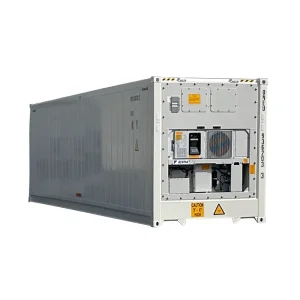
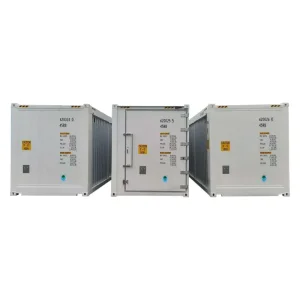
Refrigerated maritime logistics has shifted from simple preservation to active atmospheric modification. Incorporating precise CO2 and O2 regulation along with micro-variable frequency scroll compressors, reefers minimize post-harvest respiration rates, extending the viable transoceanic transit duration for sensitive perishable cargoes.
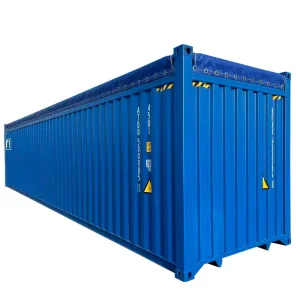
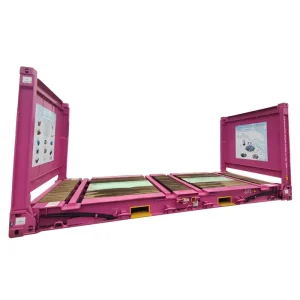
With cyclical freight rates and volatile geopolitical choke points, maritime operators mandate flexible asset repositioning. The deployment of high-cube, side-access, and collapsible flat-rack units directly decreases deadweight deadhead voyages while maximizing volumetric stowage factors across dry bulk and project cargo sectors.
Engineered shipping enclosures are no longer confined to cellular container vessels. They represent turnkey modular infrastructure.
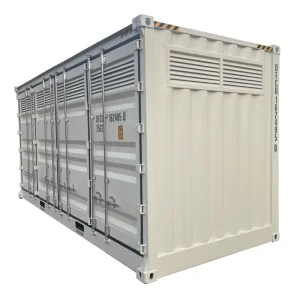
Certified to DNV 2.7-1 / EN 12079, these containers handle mechanical shock loads during dynamic vessel-to-rig crane transfers, carrying essential equipment for harsh offshore environments.
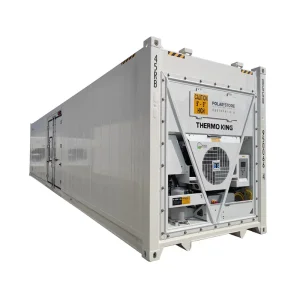
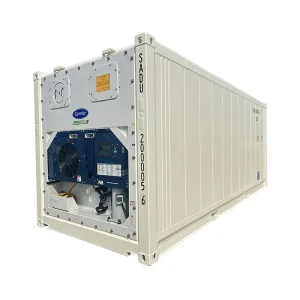
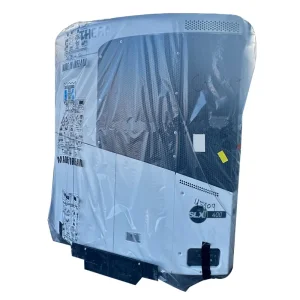
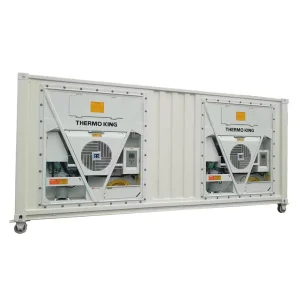
Equipped with Carrier, Daikin, or Thermo King machinery, reefer containers maintain stable climates for biologicals, fresh agricultural produce, and frozen maritime exports.
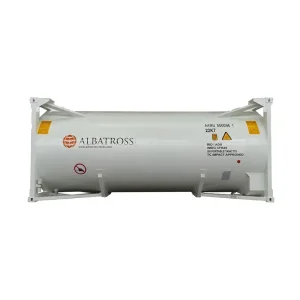
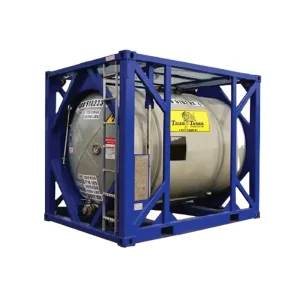
Fabricated with 316L stainless steel vessels inside standardized ISO boundary frames, these units transport hazardous gases, petrochemical liquids, and bulk foodstuffs safely across modal transfers.
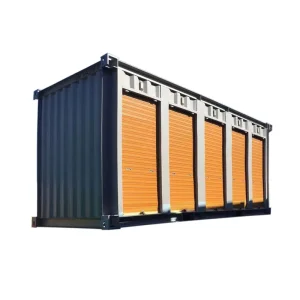
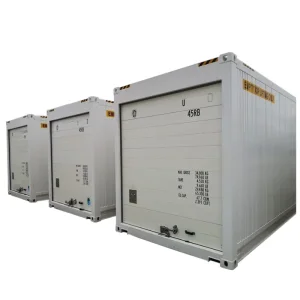
Modified containers serve as structural housings for modular battery energy storage systems (BESS), mobile reverse-osmosis water purification skids, and localized diesel generation stations.
Continuous progress in telematics, material science, and automation is reshaping manufacturing protocols across ocean container facilities.
Modern production lines now integrate satellite and cellular telematics directly into reefer machinery. Fleet directors gain visibility into internal atmospheric temperatures, condensation risks, door-breach warnings, and precise geolocation in real time.
Global climate accords drive the shift toward ultra-low Global Warming Potential (GWP) refrigerants like R-513A and natural CO2 (R-744). Factory testing verifies that thermodynamic performance remains uncompromised across high-ambient maritime environments.
Advanced engineering replaces traditional internal timber floors with eco-friendly bamboo laminates and fiber-reinforced composite sandwich walls. These updates yield significant tare-weight reductions, increasing net payload capacity and lowering fuel burn per TEU.
Direct guidance from our structural engineers and factory operations leads to help streamline your equipment procurement.
Explore our heavy-duty marine hardware, secondary cold-storage modules, and dangerous goods transport systems.