Browse certified ISO intermodal containers, active refrigeration machinery, and modified modular architectural systems configured to stringent marine classification benchmarks.
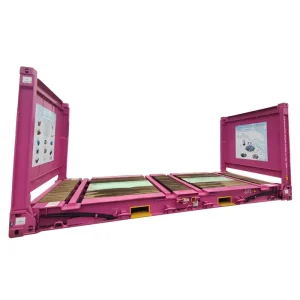
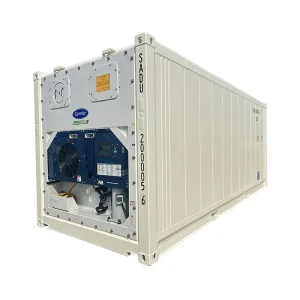
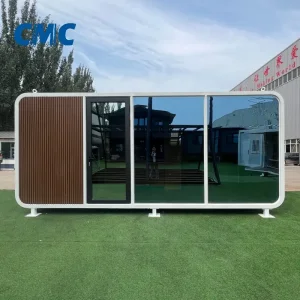

Analyzing international trade corridors, raw material volatility, and the fundamental transition toward modularized and multi-modal logistics networks.
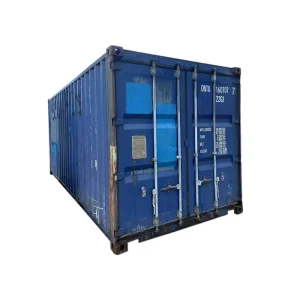
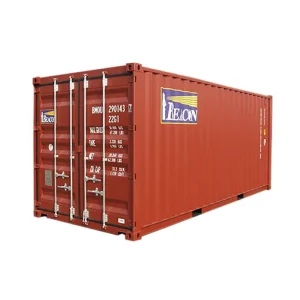
The contemporary shipping container ecosystem has moved beyond basic cargo transit. Escalating trade volatility demands standardized dry containers, insulated enclosures, and advanced refrigeration systems designed to endure severe oceanic conditions while maintaining structural integrity over 25+ year operational lifespans.
Standardized production utilizes high-yield atmospheric corrosion-resistant Corten-A steel, reinforced with polyurethane elastomer primer coatings. This chemical formulation ensures passive oxidization defense against marine atmospheric exposure, salt spray, and extreme sub-zero railway transit along continental corridors.
With key production bases strategically positioned approximately 100 km from major seaports in North China (Tianjin and Suzhou clusters), manufacturers maintain rapid vessel turnaround times. This geographical proximity eliminates inland transfer delays and secures predictable export schedules for global bulk procurement contracts.
| ISO Metric / Specification | 20ft Dry Cargo (Standard) | 40ft High-Cube (HC) Dry | 40ft High-Cube Reefer | DNV 2.7-1 Offshore Unit |
|---|---|---|---|---|
| Structural Material | SPA-H Corten Anti-Corrosive Steel | SPA-H Corten Anti-Corrosive Steel | Stainless Outer / Al T-Floor | Charpy V-Notch Impact Steel |
| Max Gross Weight (Rating) | 30,480 kg (67,200 lbs) | 32,500 kg (71,650 lbs) | 34,000 kg (74,950 lbs) | Variable / Heavy Cargo Rig |
| Internal Cubic Capacity | 33.2 m³ (1,172 cu.ft) | 76.4 m³ (2,700 cu.ft) | 67.5 m³ (2,385 cu.ft) | Customized Layout Enclosures |
| Temperature Regulation Range | Passive Ambient (-40°C to +70°C) | Passive Ambient (-40°C to +70°C) | Active (-30°C to +30°C Precise) | Zone 1 / Zone 2 ATEX Certified |
| Safety Class Approvals | ISO 1496-1, CSC, BV, ABS | ISO 1496-1, CSC, BV, ABS | ISO, ATP, TIR, BV, USDA | EN 12079 / DNV 2.7-1 Offshore |
Engineered to satisfy exact logistical, mining, cold chain, and tactical operational requirements across critical infrastructure sectors.
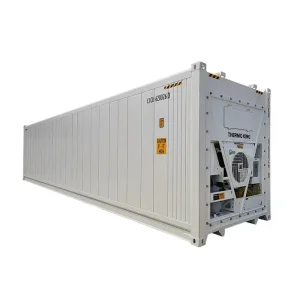
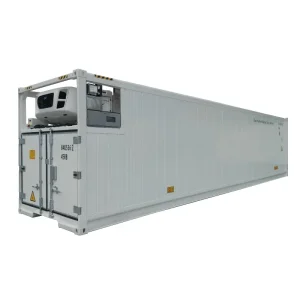
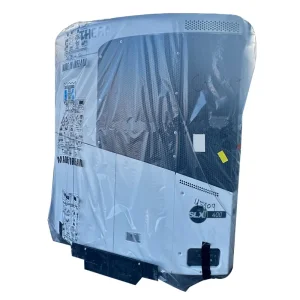
Equipped with Carrier, Daikin, or Thermo King machinery. Microprocessor telemetry provides real-time logging, controlled-atmosphere purge, and sub-zero storage stability for vaccine supplies and critical agricultural freight.
Heavy-duty half-height containers and open-top structures with reinforced side panels. Engineered specifically to carry dense iron ore, bauxite, raw slag, and bulk heavy industrial machinery under extreme loading factors.
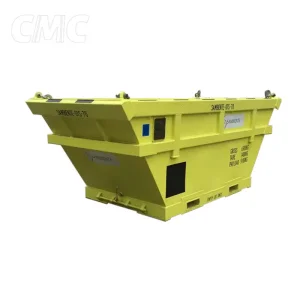
Built to DNV 2.7-1 and EN 12079 structural dynamics. Units feature integrated padeyes, non-destructive testing (NDT), specialized slings, and explosion-proof enclosures for offshore exploration platforms.
Repurposed and flat-pack ISO shells retrofitted for battery energy storage systems (BESS), decentralized server hubs, onsite command headquarters, and rapid-deployment tactical disaster units.
Strict international shipping regulations require full legal compliance across safety, structural stability, and border verification checkpoints.
Every ISO container holds a certified International Convention for Safe Containers (CSC) safety plate. This specifies permissible gross weights, stacking capabilities up to 192,000 kg (9-high laden stacking), and transverse racking values verified through rigorous destructive testing.
Our fabrication protocols operate under permanent surveillance and third-party inspection certifications from Bureau Veritas (BV), ABS, and DNV. This guarantees that base corner castings, side walls, floor sills, and weatherstripping exceed standard maritime limits.
Containers strictly adhere to TIR customs conventions and UIC railway loading gauges. Fully insulated, dry, or reefer units clear cross-border intermodal rail terminals and customs bonded checkpoints without structural or documentary complications.
Analyzing practical performance variables under varying environmental, logistical, and structural operating conditions worldwide.
Subject to high-salinity oceanic breezes and dense multi-tier stacking. Heavy multi-locking door rods, high-grade EPDM double-lip rubber perimeter seals, and heavy zinc-rich epoxy paint work together to prevent seawater intrusion and corrosion.
Belt-and-Road transcontinental lines demand high vibration dampening and thermal equilibrium across arid deserts and sub-zero tundra. Reinforced base longitudinals and forklift pockets protect the chassis during high-cycle freight handling.
Serving agricultural consolidation centers, cold chain depots, and construction sites. Options include specialized roll-up garage access, customized side-loading doors, and interior partition dividers that maximize floor space and streamline operations.
How telemetry IoT modules, eco-friendly composite insulations, and automated lightweight alloys are defining modern freight manufacturing.
Integrating solar-powered GPS sensors, interior humidity probes, door-open detection relays, and automated reefer diagnostic tracking via global satellite constellations.
Adopting cyclically produced vacuum insulation panels (VIP) and low-GWP blowing agent rigid foams to achieve better U-values while lowering carbon footprints.
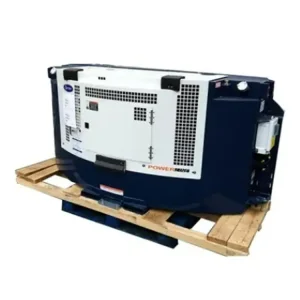
Transitioning reefer auxiliary power from purely fossil-fuel diesel generator clip-on units to smart hybrid lithium battery pack configurations with kinetic energy harvesting.
Redesigning the corrugated steel wall profiles with nano-composite cold-rolled metallurgy. This lowers container tare weight by up to 12% without sacrificing structural racking strength.
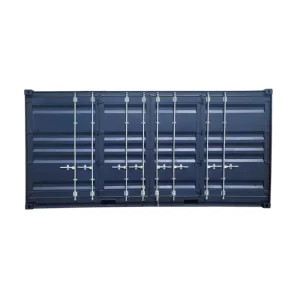
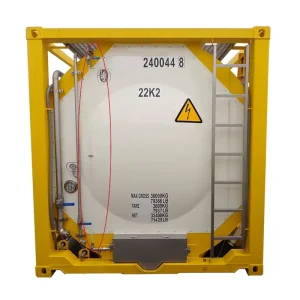
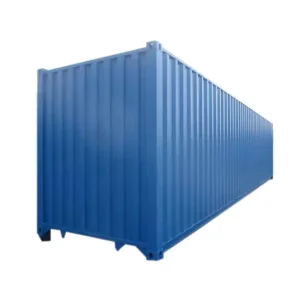
Certified industrial tank systems, open-top soft covers, DNV offshore modules, and side-door dry cargo containers engineered for demanding freight tasks.
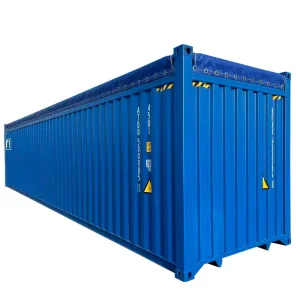

Key considerations for logistics planners, supply chain directors, and container fleet procurement teams.
