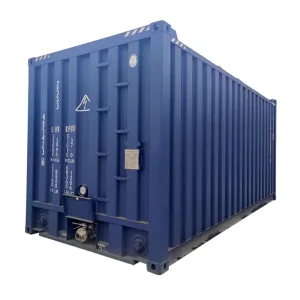
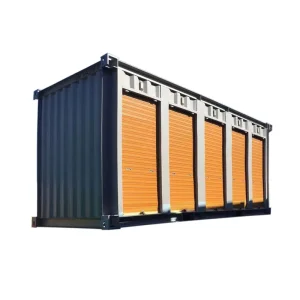
Engineered shipping, static cold room, modular accommodation, and intermodal transport containers engineered directly at our coastal industrial bases.
Understanding the tectonic shifts in multimodal supply chain security, specialized cargo demand, and modern container industrial manufacturing paradigms.
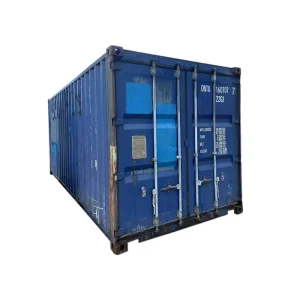
Modern intermodal shipping demands high tensile strength. Contemporary manufacturing relies heavily on SPA-H atmospheric corrosion-resistant Corten steel. This metallurgical formulation forms a stabilizing patina when exposed to maritime environments, mitigating oxidation risks across decade-long sea voyages. Precision automated welding procedures, robotized side-panel corrugation, and zinc-rich epoxy priming guarantee that dynamic stacking loads comply with ISO 1496-1 requirements, allowing full nine-tier vessel cell-guide stacking even under heavy weather accelerations.
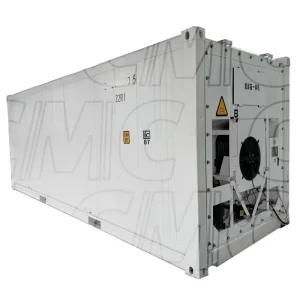
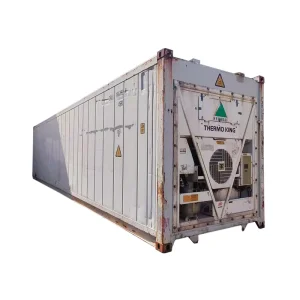
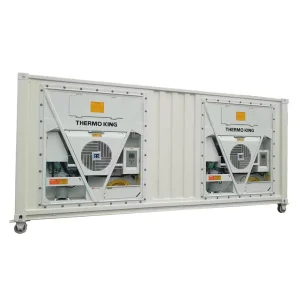
Perishable agricultural logistics, biologic pharmaceutical transit, and on-site sub-zero cold room solutions have driven refrigerated container (reefer) manufacturing to new heights. Integrating industry-leading machinery like Carrier Transicold, Daikin LXE, and Thermo King Magnum Plus guarantees precise temperature holds from -40°C to +30°C. Cyclopentane polyurethane high-density insulation foams eliminate thermal bridging, while digital data-logging telematics transmit real-time internal temperature, relative humidity, and power status across global transit routes.
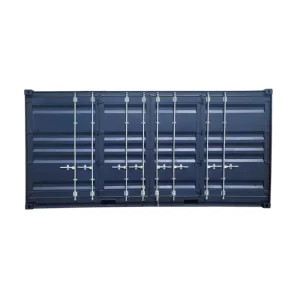
Beyond intercontinental maritime logistics, specialized ISO containers have emerged as structural foundations for terrestrial storage. Industrial production hubs, hazardous chemical storage depots, and mineral exploration camps deploy customized 20ft and 40ft units featuring customized roll-up roller shutters, full-length side-opening double doors, explosion-proof ventilation, and modular internal racking. Their relocatable, weather-tight, and vandal-resistant steel construction provides immediate infrastructure without requiring permanent building permits.
Strict adhesion to international maritime regulatory standards provides risk mitigation, legal compliance, and structural integrity across every trade corridor.
Every newly constructed intermodal unit is equipped with a verified International Convention for Safe Containers (CSC) data plate. This certifies design approval, maximum operating gross weight, allowable stacking weight (typically 216,000 kg for high-tier marine operations), and racking test values under supervision by accredited classification bodies.
Our factory facilities operate under strict Bureau Veritas surveillance audits. BV oversight validates structural welding procedures (WPS), non-destructive testing (NDT) on heavy-duty corner castings, paint dry film thickness (DFT), and water-tight sealing checks, safeguarding investments for cross-border leasing and operating lines.
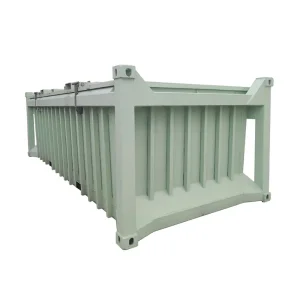
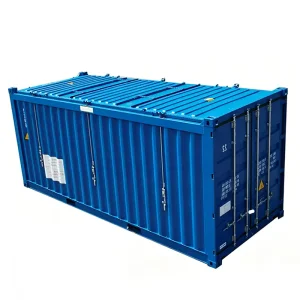
For volatile oilfield logistics and harsh open-ocean environments, standard containers are insufficient. Our specialized offshore units, including half-height ore bins and tool baskets, are manufactured to DNV 2.7-1 certifications, complete with Charpy V-notch impact-tested steel for sub-zero operations and certified pad-eyes for four-leg lifting slings.
Cross-border security requires robust door locking gears. All doors feature customs-approved rivet fastenings, anti-rack hardware, continuous rubber weather seals, and lockbox protection compatible with TIR conventions, preventing unauthorized tampering throughout transshipment corridors across Africa, Europe, and the Americas.
Explore how dedicated freight container variants solve specialized transit challenges across diverse commercial sectors.
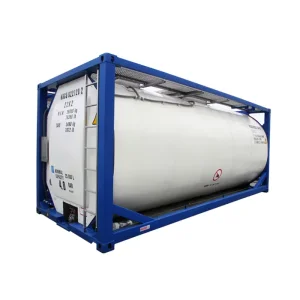
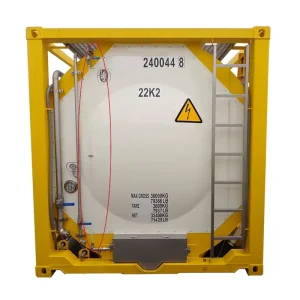
Standard dry boxes cannot accommodate industrial chemical compounds, spirits, or liquid food grades. Our 20ft T11, T14, and T50 ISO tank containers utilize 316L stainless steel pressure vessels surrounded by high-efficiency insulation and steam heating coils, ensuring safe, zero-leakage bulk chemical transport that complies with IMDG, ADR, and RID standards.
Finished vehicle export faces costly roll-on/roll-off (RoRo) capacity shortages. Specialized 20ft and 40ft car carrier containers incorporate internal hydraulic or mechanical wheel ramps, allowing secure diagonal multi-vehicle stowing. This maximizes container cube utilization while shielding high-value electric vehicles and luxury cars from salt fog and physical impact.
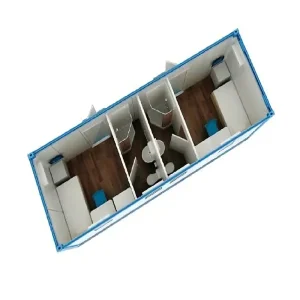
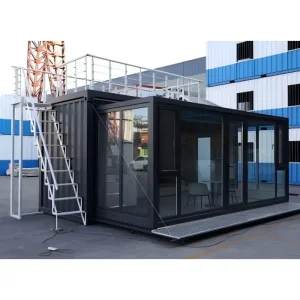
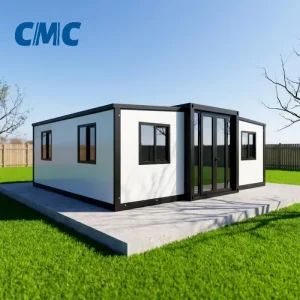
Accelerated infrastructure construction often takes place in remote geographies lacking civil works. Factory-engineered foldable, expandable, and modular container homes provide rapid-deployment workforce housing, clinic pods, and field offices complete with integrated sanitary modules, flame-retardant sandwich panel insulation, and CE-certified electrical trunking.
The convergence of IoT telemetry, low-carbon manufacturing, and solar-integrated thermal platforms shaping modern containerized logistics.
Containers are transitioning from passive steel boxes into intelligent logistics nodes. CIMIC factory configurations offer integration with optical sensor payloads, wireless door-tamper detectors, satellite GPS gateways, and interior cargo volumetrics. Real-time vibration sensors alert fleet managers to severe rail shunting impacts or sea-stacking distortions before internal cargo damage occurs.
Off-grid static storage demands energy independence. Emerging from our R&D laboratories, integrated photovoltaic rooftop panels coupled with DC-inverter refrigeration systems run autonomously on sites without three-phase utility connections. These systems optimize compressor speeds in response to real-time ambient heat loads, reducing aggregate generator fuel consumption by up to 45%.
Environmental stewardship forms an integral component of our production lifecycle. We have transitioned away from solvent-heavy paints toward advanced waterborne zinc and polyurethane coating systems. This sharply cuts Volatile Organic Compound (VOC) emissions while delivering ISO 12944 C5-M extreme marine corrosion resistance to safeguard containers against severe maritime exposures.
Comprehensive engineering clarifications addressing procurement, marine certifications, structural customization, and logistics execution.
Explore heavy bulk haulage, specialized open-top containers, modular homes, and static dry storage solutions ready for immediate global logistics deployment.