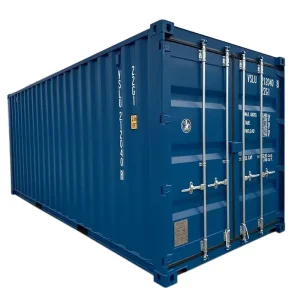
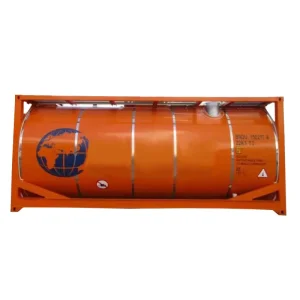
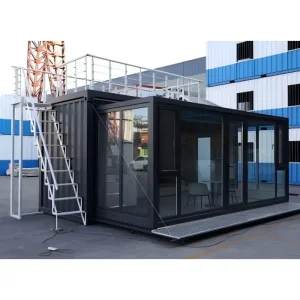
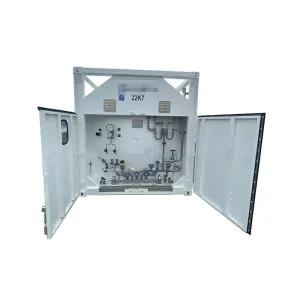
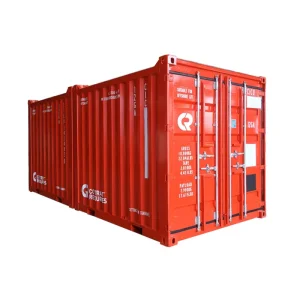
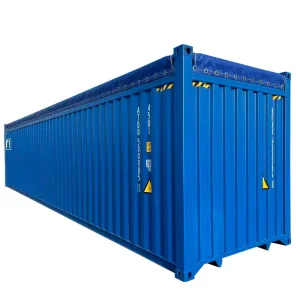
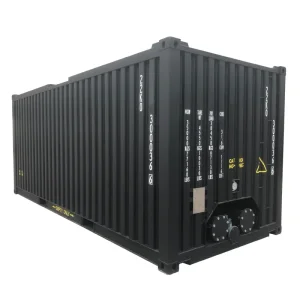
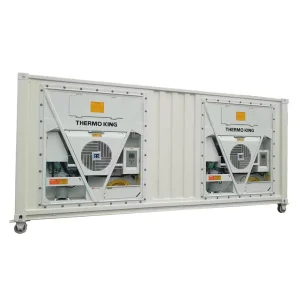
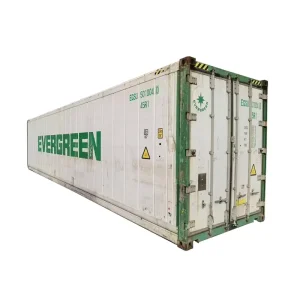
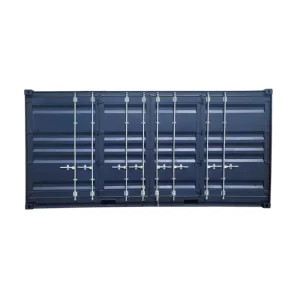
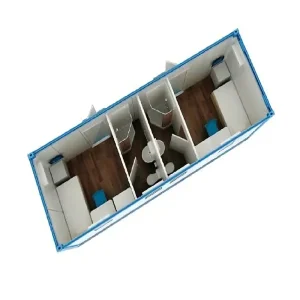
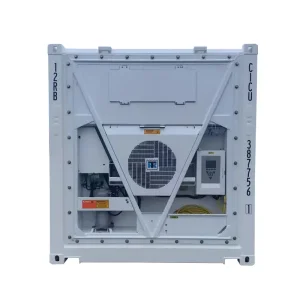
Explore our core engineering catalog: custom high-capacity containers, reefer units, specialized bulk modules, and portable architectures engineered for international operations.
Strategic shift in ocean freight: why the 9ft 6in vertical dimension is redefining logistics efficiency, volumetric capacity, and modern industrial integration.
Standard ISO intermodal containers stand at 8ft 6in. The High Cube (HC) standard increases exterior clearance to 9ft 6in (2,896 mm). This additional foot of vertical payload delivers an instant 12-14% boost in cubic capacity—increasing volume from roughly 67.7 m³ to 76.4 m³ in 40ft units. For volume-constrained global freight, including consumer electronics, e-commerce parcels, textiles, and auto parts, High Cube architecture drops ocean shipment cost per cubic meter drastically.
The industrial landscape has expanded beyond cargo logistics. High Cube frames serve as the global engineering backbone for Battery Energy Storage Systems (BESS), mobile data centers, and hydrogen fuel cells. The 9ft 6in vertical clearance allows integration of high-density lithium-ion racking, overhead HVAC liquid-cooling ducts, built-in fire suppression plumbing, and high-voltage busways while satisfying structural compression ratings.
Global multi-modal corridors—from the North American Double-Stack rail networks to the transcontinental Eurasian freight lines—have engineered rolling stock specifically optimized for High Cube profiles. This standardization ensures high-clearance shipping containers move seamlessly between container vessels, intermodal rail wagons, and road chassis without cargo transloading or dwell latency.
Combining complete industrial clusters, heavy metallurgy, robotic production lines, and immediate deepwater port integration.
Our production facilities leverage localized raw material ecosystems. Raw Corten weathering coils (SPA-H grade), marine-grade waterborne epoxy primers, zinc coatings, CNC-machined corner castings, and EPDM dual-lip gasket seals are sourced within a tight industrial radius, eliminating upstream bottlenecks and guaranteeing stable output.
From automated high-tonnage corrugation stamping presses to precision multi-axis robotic seam welding, each High Cube shell is constructed under sub-millimeter tolerances. Continuous submerged arc welding ensures structural corner posts and bottom side rails maintain dimensional integrity under extreme static loads.
Operating near Tianjin port and major Eastern industrial corridors provides direct access to primary maritime terminals. New-build high cubes can be exported as "One-Way Shipped" (carrying export cargo on maiden voyages) or flat-pack/empty dispatch, saving inland haulage costs and reducing vessel transit time.
A granular side-by-side technical breakdown for logistics architects, offshore rig supply officers, and procurement managers.
| Dimensional & Mechanical Metrics | 40ft High Cube Container (1AAA) | 40ft Standard Dry Container (1AA) | 20ft High Cube Container (1CCC) |
|---|---|---|---|
| External Height | 9 ft 6.0 in (2,896 mm) | 8 ft 6.0 in (2,591 mm) | 9 ft 6.0 in (2,896 mm) |
| Internal Height | 8 ft 10.2 in (2,698 mm) | 7 ft 10.2 in (2,393 mm) | 8 ft 10.2 in (2,698 mm) |
| Door Opening Height | 8 ft 5.7 in (2,585 mm) | 7 ft 5.7 in (2,280 mm) | 8 ft 5.7 in (2,585 mm) |
| Internal Volume Capacity | 76.4 m³ (2,698 cu.ft) | 67.7 m³ (2,390 cu.ft) | 37.4 m³ (1,320 cu.ft) |
| Tare Weight (Nominal) | 3,900 kg (8,598 lbs) | 3,650 kg (8,047 lbs) | 2,350 kg (5,180 lbs) |
| Max Gross Weight (Rating) | 32,500 kg (71,650 lbs) | 30,480 kg (67,200 lbs) | 30,480 kg (67,200 lbs) |
| Base Frame Metallurgy | SPA-H Corten High Yield Steel | SPA-H Corten High Yield Steel | SPA-H Corten High Yield Steel |
| Flooring Construction | 28mm Marine Hardwood Plywood / Steel Plate | 28mm Marine Hardwood Plywood | 28mm Marine Hardwood Plywood |
| Stacking Test Capacity (ISO 1496) | 216,000 kg (9-High Fully Laden Stack) | 192,000 kg | 192,000 kg |
From North Sea energy platforms to Sub-Saharan cold-chain arteries, custom High Cube shipping enclosures solve operational constraints in extreme operating environments.
Offshore exploration vessels and deep-sea rigs require certified High Cube workshops and pressurized living quarters. Standard dry boxes fail marine offshore dynamic lift regulations. We engineer customized units compliant with DNVGL-ST-E271 (DNV 2.7-1 / EN 12079) featuring integrated pad-eyes, specialized lifting slings, thermal insulation, and blast-proof electrical distributions.
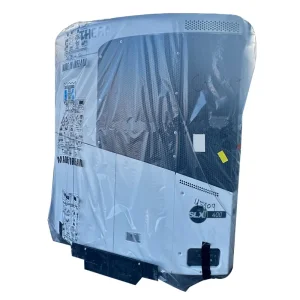
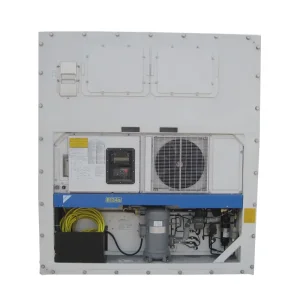
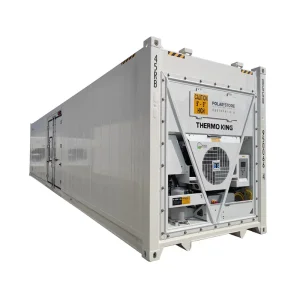
In equatorial markets across Africa and Latin America, preserving agricultural, pharmaceutical, and meat shipments demands high-cube reefer integration. The extra foot of vertical space supports dual-evaporator airflow designs, continuous T-bar floor ventilation, and installation of industry-leading refrigeration machinery from Daikin, Thermo King, and Carrier Transicold.
The extra interior headroom is essential for architectural conversion. Standard 8ft 6in containers feel confined once interior ceiling drops, thermal batt insulation, subflooring, and acoustic gypsum walls are framed. High Cube enclosures preserve an 8-foot finished ceiling height, making them the structural choice for remote worker camps, healthcare modules, and housing developments.
Market forces driving container manufacturing innovations, smart telematics, and eco-certified fleet renewal over the next decade.
Global environmental protocols demand complete elimination of solvent-based exterior paints. Our automated spray booths operate on waterborne zinc-rich primers and low-VOC epoxy/polyurethane topcoats, drastically reducing VOC emissions while enhancing corrosion resistance under harsh ASTM B117 salt spray performance standards.
Modern shipping companies require connected container fleets. High Cube containers increasingly feature factory-installed IoT devices: solar-powered roof-flush sensors measuring interior temperature, humidity, door-breach security, shock loads, and GPS positioning. These systems transmit telemetry via satellite/cellular networks directly to digital twin fleet software.
Deforestation regulations (such as EUDR) are phasing out unsustainable tropical hardwoods. We provide alternatives including bamboo-faced multi-ply flooring, recycled PET composite subfloor panels, and high-tensile corrugated galvanized steel plank floors rated for 7,260 kg front axle forklift axle loads (per ISO 1496 Annex B).
A systematic blueprint for global purchasers to balance capital expenditure, custom specifications, class society testing, and delivery timing.
Prior to confirming large-scale manufacturing contracts, procurement teams must ensure classification societies review the production drawings. Verify that the production facility maintains type approvals from recognized IACS members—such as Bureau Veritas (BV), ABS, Lloyd’s Register (LR), or DNV—and that each unit has an embossed CSC (International Convention for Safe Containers) safety plate.
For ODM orders involving non-standard access doors, specialized interior framing, heavy machinery mounts, or utility ports, evaluate the engineering team's FEA (Finite Element Analysis) structural simulation capabilities. Validating load distribution under dynamic ocean conditions in CAD models prevents costly structural failures before steel cutting begins.
Shipper Owned Container (SOC) frameworks give enterprise buyers operational autonomy, bypassing shipping line demurrage and detention fees. Calculate the trade-offs between "One-Way Cargo Loaded" dispatch (where container shipping lines use your newly manufactured boxes to move dry cargo on initial routes) versus chartered breakbulk vessel staging.
Direct answers from our marine engineering and logistics export specialists.
Complete product catalog showcasing available inventory, certified cold chain containers, and specialized equipment ready for direct seaport shipment.