
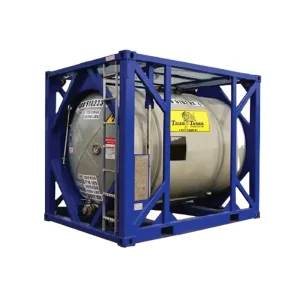
Engineered to international CSC, BV, and DNV standardizations. Explore our premier OEM/ODM configurations built for high cyclic endurance under extreme open-ocean weather conditions.
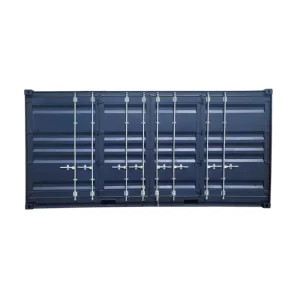
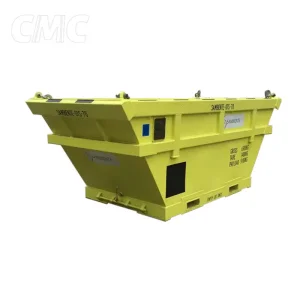
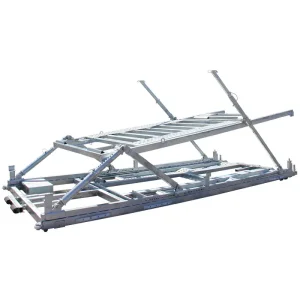
Navigating the engineering dynamics of transoceanic freight and deep-water containment structures.
In modern intermodal freight logistics, maritime containers endure extreme environmental and mechanical forces. Ocean-going vessels face multi-axis dynamic loads during heavy swell encounters, including hydrodynamic slamming, torsional deck twisting, transverse rolling, pitching, and wave-induced whipping. To ensure safety, a maritime cargo container must exceed standard static capacity ratings.
Our OEM and ODM engineering paradigms are built around high-strength structural steels like Corten-A (SPA-H). This atmospheric corrosion-resistant steel develops a dense, protective iron oxide patina when exposed to maritime salinity and cyclic humidity. By stabilizing copper-phosphorus alloy compounds at the metallurgical boundary, Corten steel provides superior anti-oxidation, load fatigue resistance, and fracture toughness compared to structural mild steels.
According to ISO 1496-1 specifications, a fully packed container must withstand an end-wall racking test load of 150 kN and a transverse racking force of 75 kN without structural deformation. Standard nine-high vertical stacking requires each lower container’s four corner posts to bear up to 86,400 kg of static and dynamic loads. Our fabrication integrates continuous automated submerged arc welding (SAW), robotic metal active gas (MAG) setups, and precision-machined cast steel corner blocks (SCW 480). This maintains dimensional accuracy within a 2.0 mm tolerance across all 40ft and 20ft platforms, preventing operational locking jams with marine gantry spreader pins or cellular hold guides.
How concentrated supply chain clusters and smart port proximity maximize manufacturing value.
Direct supply partnerships with Baosteel, HBIS, and Shougang provide high-grade Corten SPA-H coils, hot-rolled profiles, and specialized cryogenic steelplates (down to -40°C impact test ratings) at competitive mill costs.
Complete domestic supply chains—from marine hardware, locking gears, and EPDM gaskets to cold-chain units (Thermo King, Daikin, Carrier) and waterborne zinc paints—eliminate international component lead-time bottlenecks.
Facilities positioned approximately 100 km from major container terminals (Tianjin Port, Shanghai/Taicang Ports) cut internal logistics costs and streamline export customs clearing under unified Free Trade Zone frameworks.
Automated continuous sandblasting setups strip steel surfaces to Swedish Standard Sa 2.5, followed by multi-axis zinc silicate primer sprays that ensure anti-corrosion protection over 15 to 20-year service lifecycles.
Every batch of dry freight, pressurized ISO tank, and DNV 2.7-1 offshore skid units undergoes non-destructive testing (NDT), ultrasonic inspection, water penetration checks, and dynamic drop impact certifications witnessed by Bureau Veritas and ClassNK surveyors.
The transformation of static container boxes into smart, sustainable, and data-integrated transport modules.
Modern container fleets are shifting toward smart systems. Integrated low-power transceivers, door sensors, and shock loggers continuously transmit position, internal climate, and door status via satellite and cellular mesh networks.
Driven by IMO decarbonization targets, factories are adopting solvent-free waterborne paints, recycled bamboo composites for flooring, and vacuum insulation panels (VIP) that reduce reefer compressor power consumption by up to 28%.
Demand is growing for cross-platform containers compatible with battery storage housings (BESS), mobile desalination modules, and automated vertical data servers that meet both CSC safety and local on-grid structural codes.
With offshore wind farms and subsea energy expanding, demand has surged for DNV 2.7-1 and EN 12079 offshore cargo units built to withstand open-sea dynamic impacts and -20°C brittle fracture conditions.
Adapting container hardware to local climates, infrastructure constraints, and specialized cargo profiles.
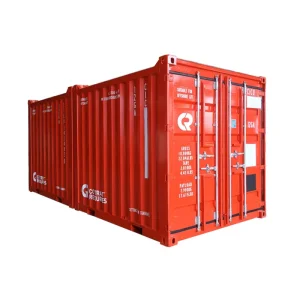
Designed for North Sea, Gulf of Guinea, and Southeast Asian oil and gas installations. Silt basket containers, offshore chemical tanks, and open-top mud skids feature certified welded padeyes and four-part wire rope slings to prevent lifting failure during crane vessel movements.
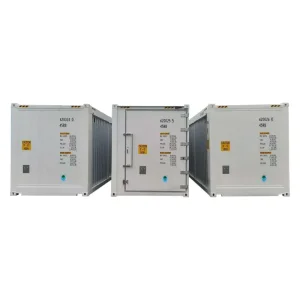
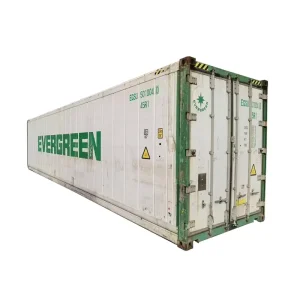
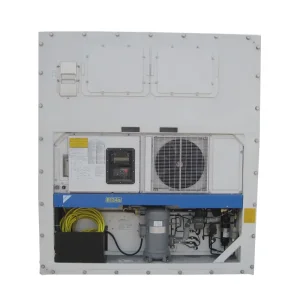
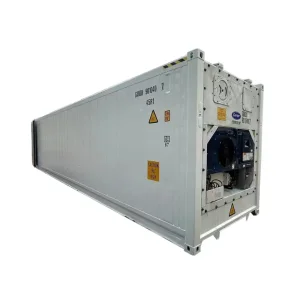
For high-value pharmaceuticals, Chilean cherries, and Atlantic seafood. Features precision scroll compressors (Carrier, Daikin, Thermo King) with integrated controlled atmosphere (CA) technology that regulates oxygen and CO₂ levels to slow produce respiration.
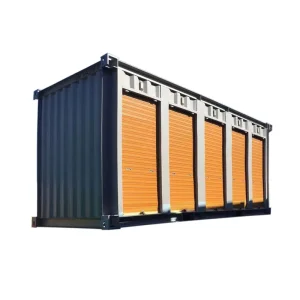
For Eurasian railway links and cross-continental freight routes. Features dual end doors, roll-up shutters, and continuous full-side opening doors that allow rapid side-forklift access at intermodal depots without shunting or depalletization.
High-cube dry containers fitted with internal cassette racks and specialized ramps maximize volume efficiency, safely transporting three full-size SUVs or electric vehicles per 40ft container while meeting sea freight fire ratings.
Used for remote mining sites, disaster response, and field hospitals. Built on structurally rated container footprints, these units combine rigid steel frames with prefabricated plumbing, fire-resistant insulation, and integrated electrical conduits.
Custom container configurations engineered for international logistics conglomerates and EPC contractors.
Built for Class 1 through Class 9 hazardous materials, chemicals, and lithium battery cells. Features spark-resistant aluminum diamond floors, explosion-proof louvers, automatic fire suppression ports, and integrated chemical spill bunds.
Heavy-duty half-height containers designed for dense commodities like copper concentrate, nickel ore, and bauxite. Built with abrasion-resistant Hardox/NM400 liners and self-tipping lock configurations for container rotary dump systems.
Turnkey, customized ISO container shelters for mobile diesel generators, centralized solar inverters, and battery energy storage (BESS). Includes structural dampening, thermal insulation, acoustic baffling, and EMI shielding.
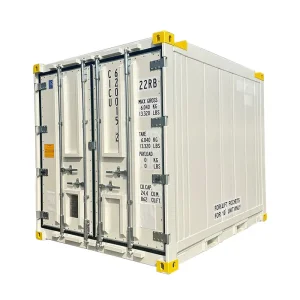
From side-access reefer systems to modular living solutions, review our second line of specialized ODM products engineered for specialized industry demands.
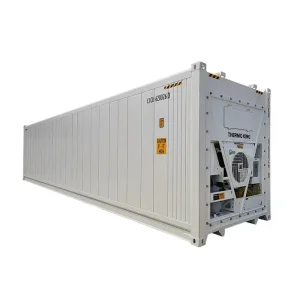
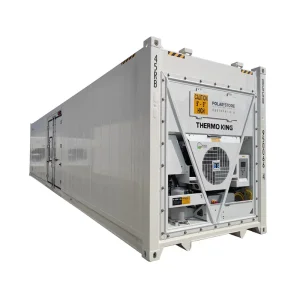
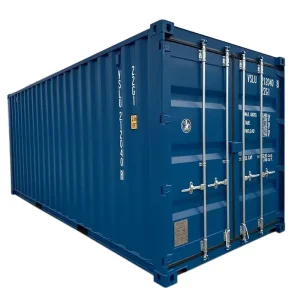
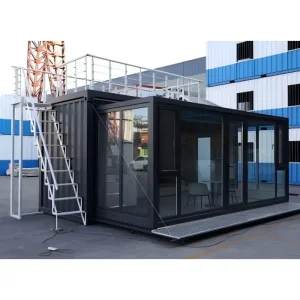

A systematic framework for fleet managers and procurement directors sourcing containers internationally.
Every international transport container must have a valid, corrosion-proof stainless steel CSC Safety Approval Plate. It certifies maximum operating gross weight, allowable stacking weight (e.g., 216,000 kg for 9-high stacks), transverse racking values, and timber anti-pest treatment compliance (Australian TCT regulations).
Reefer containers undergo a certified multi-stage Pre-Trip Inspection before dispatch. Automated diagnostic software checks 380V/460V 3-phase compressor power draws, refrigerant pressures (R134a/R404a/R452A), evaporator defrost cycles, and sensor calibration down to -30°C.
Each production run includes non-destructive testing (NDT), radiographic examination on primary tensile joints, and dye penetrant testing on corner casting welds. Finished containers pass through continuous high-pressure water spray booths (200 kPa along all seals) to verify zero water ingress.
Clear, engineering-backed answers to essential questions on maritime container fabrication, certification, and customization.