
DNV Certified
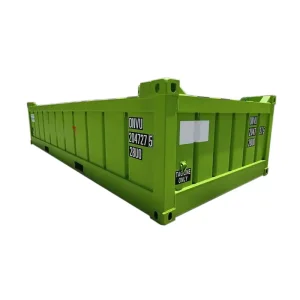
Precision-engineered intermodal units built strictly in accordance with ISO 1496, DNV 2.7-1, CSC safety certifications, and international marine transport standards.

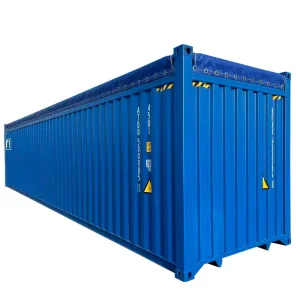
An exhaustive analysis of supply velocity, geopolitical route diversification, raw material metallurgical dynamics, and structural production demand for high-specification freight enclosures.
The international freight ecosystem has fundamentally shifted from traditional just-in-time logistics to resilient, buffer-heavy intermodal strategies. The proliferation of trans-Eurasian dry rail corridors, nearshoring production hubs in Southeast Asia and Latin America, and naval diversions around the Cape of Good Hope have expanded the average turn-around cycle of standard TEUs by 18.4%. OEM manufacturers must produce higher-yield containers equipped with anti-corrosive primer systems and ultra-durable corner castings capable of sustaining extended cycle stresses without mechanical deformation.
Over 92% of the world's structural marine container chassis rely on specialized atmospheric corrosion-resistant steel (JIS G3125 SPA-H Corten). With international scrap fluctuations and carbon emission border adjustments (CBAM) coming into force across Europe, tier-1 Chinese container exporters are integrating recycled secondary metallurgy and zero-scrap laser nesting machines. This metallurgical governance achieves yield strengths exceeding 345 MPa while simultaneously reducing structural tare weight, providing fleet operators with higher payload limits and lower lifecycle carbon footprints.
Global shipping lines, maritime leasing consortiums (Triton, Textainer), and offshore oil and gas syndicates enforce stringent third-party certification protocols. Modern export units must undergo destructive racking, floor deflection (ISO 1496/1 7,260 kg axle loads), and corner post compression tests up to 86,400 kg per post to ensure stack stability up to 9-high on ultra-large container vessels (ULCVs). Full verification from Bureau Veritas (BV), Det Norske Veritas (DNV), and the American Bureau of Shipping (ABS) guarantees uncompromised border clearance.
From cryogenic fluid storage tanks to automated offshore reefers, explore the technical specifications and structural integrity standards underpinning our industrial manufacturing line.
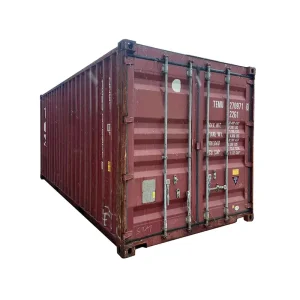
Constructed using 1.6mm to 2.0mm vertically corrugated SPA-H Corten steel panels, 28mm certified Apitong or Keruing hardwood marine plywood flooring with 19-ply configuration. Treated against phytosanitary organisms per Australian Quarantine Inspection Service (AQIS) standards. Outfitted with high-tensile locking gear, four cam-type locking bars, and forged EPDM dual-lip door gaskets for impenetrable watertight resilience.
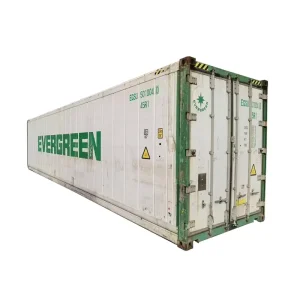
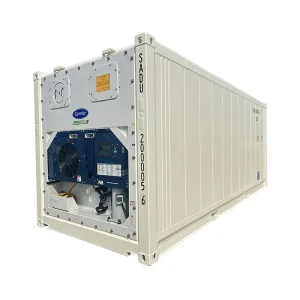
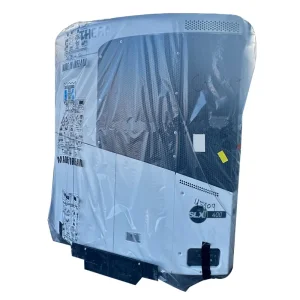
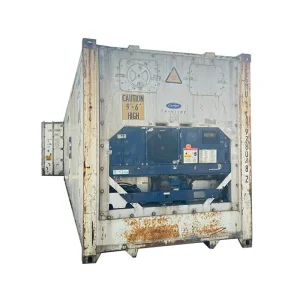
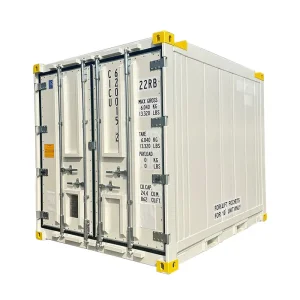
Engineered with high-density vacuum-injected cyclopentane polyurethane insulation foam (thermal conductivity ≤ 0.020 W/m·K). Interior linings fabricated from 304 food-grade stainless steel or seamless heavy-gauge aluminium lining with extruded T-bar floor profiles. Seamless integration with Thermo King, Daikin, and Carrier transicold refrigeration machinery, ensuring accurate thermal stabilization from -35°C to +30°C.
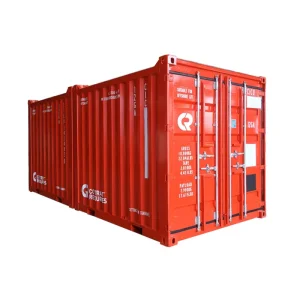
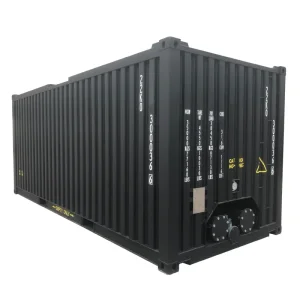
Specifically fabricated to endure severe dynamic wave shocks, harsh North Sea offshore climates, and high-frequency crane impact loads. Utilizes micro-alloyed fine-grain normalized steel plates with Charpy V-notch impact toughness tested down to -20°C or -40°C (minimum 27 Joules). Outfitted with certified pad-eyes welded seamlessly into main structural corner frame rails, ready for certified four-leg wire rope lifting slings.
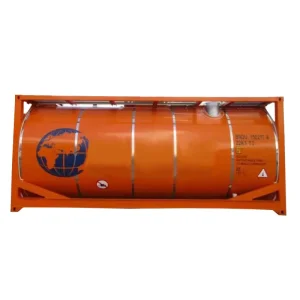
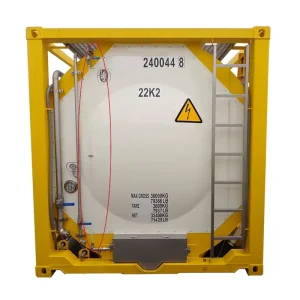
Cylindrical pressure vessel assemblies built from austenitic 316L stainless steel, titanium-stabilized alloys, or internal PTFE/PFA lining systems. Designed for hazardous/non-hazardous bulk liquids, liquefied petroleum gases, food-grade alcohols, and high-viscosity asphalt. Equipped with bottom-discharge emergency valves, steam or electric heating circuits, and rock-wool thermal insulation wrapped in marine-grade glass-reinforced plastic jackets.
| Model Specification | Dimensions (L × W × H) | Max Gross Mass (MGM) | Tare Weight | Internal Volume | Structural Metallurgy | Testing & Compliance |
|---|---|---|---|---|---|---|
| 20FT Standard Dry Cargo | 6,058 × 2,438 × 2,591 mm | 30,480 kg (67,200 lbs) | 2,180 kg (4,806 lbs) | 33.2 m³ (1,172 cu.ft) | SPA-H Corten Steel | ISO 1496-1 / CSC / BV |
| 40FT High Cube Dry Cargo | 12,192 × 2,438 × 2,896 mm | 32,500 kg (71,650 lbs) | 3,820 kg (8,421 lbs) | 76.4 m³ (2,698 cu.ft) | SPA-H High Tensile | ISO / TIR / UIC 592 |
| 40FT High Cube Reefer | 12,192 × 2,438 × 2,896 mm | 34,000 kg (74,950 lbs) | 4,480 kg (9,876 lbs) | 67.5 m³ (2,384 cu.ft) | SS 304 / Al 6061-T6 | ATP / CSC / CE / BV |
| 20FT DNV Offshore Open Top | 6,058 × 2,438 × 1,450 mm | 16,000 kg (35,270 lbs) | 2,850 kg (6,283 lbs) | 15.8 m³ (558 cu.ft) | EN 10025 S355NL | DNV 2.7-1 / EN 12079 |
| 20FT ISO 25,000L Liquid Tank | 6,058 × 2,438 × 2,591 mm | 36,000 kg (79,365 lbs) | 3,650 kg (8,046 lbs) | 25,000 Liters | SS 316L (4.4mm Shell) | ASME VIII / IMDG / ADR |
Discover how CIMIC containers solve severe operational challenges across maritime corridors, remote resource basins, decentralized renewable energy nodes, and urban developments.
Offshore drilling platforms in the North Sea, West Africa, and the Gulf of Mexico demand cargo containers capable of resisting extreme roll-pitch dynamics and dynamic hook-snatch shock loading. CIMIC DNV 2.7-1 certified half-height baskets, cargo skips, and offshore reefers deliver fail-safe reliability for drill strings, subsea valves, and catering consumables. Slings, shackles, and welded pad-eyes are certified with full 3.1 material traceability, ensuring compliance under harsh salt-mist and deep-sea turbulence.
The global transition to renewable microgrids requires heavy-duty enclosures engineered for lithium-ion Battery Energy Storage Systems (BESS) and high-density modular supercomputing units. CIMIC manufactures fire-rated modular enclosures outfitted with A60 thermal insulation barriers, integrated NFPA 855-compliant explosion relief vents, automatic gas-suppression piping, and liquid-cooling manifold routing channels. The reinforced chassis easily accommodates 30-ton static battery rack arrays.
High-value perishable agricultural exports, seafood, and biopharmaceuticals require continuous, verifiable temperature control. Our 40ft High Cube reefers, fitted with intelligent Daikin or Carrier digital transicold machinery, feature controlled atmosphere (CA) systems that modulate O2 and CO2 levels to retard ripening processes. Combined with real-time IoT satellite monitoring, loss ratios over 30-day deep-sea intermodal voyages are held well below 0.05%.
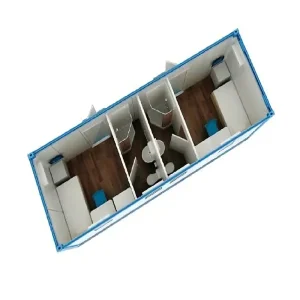
Modular housing, field command posts, emergency response clinics, and workforce accommodation units rely on structural container skeletons for rapid site deployment. CIMIC customizes 20ft and 40ft frames with factory-fitted thermal breaks, fire-rated sandwich wall panels, CE/UL certified concealed electrical conduits, and sanitary rough-ins. Stackable up to 5 stories without auxiliary structural steel scaffolding, reducing construction schedules by 65%.
Dense mineral ores (copper concentrate, lithium spodumene, iron pellets) damage conventional dry boxes due to point-load stresses and discharge difficulties. CIMIC half-height open-top containers and rotary tipplers feature Hardox wear plates and reinforced bottom sills that withstand 35-ton concentrated weights. Fitted with secure heavy-duty tarpaulins, dust contamination during transit is completely eliminated.
Moving flammable petrochemicals, liquid fertilizers, or industrial acids through trans-continental routes requires ISO-certified double-valve tank containers. Equipped with pressure relief devices, rupture discs, and optional glycol heating loops, CIMIC tank units eliminate intermediate transloading spills, allowing direct transfers between sea-going container ships, flat-bed railcars, and highway semi-trailers.
CIMIC's forward-looking manufacturing roadmap integrates zero-emission steel, real-time autonomous IoT digital twins, and lightweight composite metallurgy to meet global carbon targets.
Standard factory pre-installation of solar-powered IoT micro-transceivers directly into corner post recesses. Transmits 5G/satellite updates covering real-time internal temperature, g-force impact shocks, door opening sensors, and moisture accumulation without battery changes for up to 10 years.
Migration to hydrogen-reduced direct reduced iron (DRI) Corten steel. Cuts embedded Scope 3 production emissions by 68% while maintaining identical yield strength (355 MPa) and preserving corrosion resistance against marine saltwater atmospheres.
Deployment of carbon-fiber reinforced thermoplastic side panels and pultruded glass-fiber crossmembers for reefer and dry lines. Achieves a 22% reduction in chassis tare weight, maximizing usable freight payloads on transcontinental rail systems.
Complete integration of edge-AI predictive structural failure diagnostics. Self-reporting containers automatically flag micro-cracks, floor fatigue, and thermal leakage directly to automated port gantry cranes and maintenance depots before safety clearances lapse.
CIMIC enforces uncompromising quality verification benchmarks across all fabrication stages, ensuring zero defects across global shipping lanes.
Production lines integrate multi-axis ABB and Fanuc robotic welding gantries using submerged arc welding (SAW) and metal active gas (MAG) technologies. Automated jigs ensure corner-to-corner diagonal tolerances within ±3mm across 40ft lengths, guaranteeing smooth container crane spreader engagement.
All steel components are shot-blasted to Swedish Standard Sa 2.5, clearing mill scale and oxidation. Coated immediately with an ultra-durable zinc-rich epoxy primer (30μm), an intermediate epoxy barrier (40μm), and a heavy-duty polyurethane exterior topcoat (40μm) resistant to UV radiation and offshore salt spray.
Every finished unit undergoes a high-pressure watertight test with 2-bar water nozzles delivering 12.5L/min along door gaskets and welded seams. Destructive and non-destructive load tests verify corner-post stacking capacities, sidewall bulging thresholds, and floor shear limits against ISO 1496/1 guidelines.
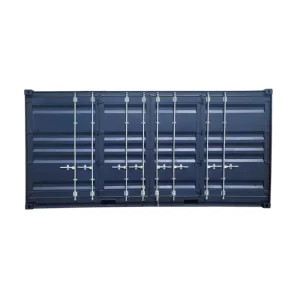
Explore custom configurations, side-door access units, heated liquid asphalt carriers, and certified multi-compartment storage containers built for extreme commercial demands.
Detailed technical, metallurgical, logistics, and certification answers compiled by senior intermodal container engineers for global procurement teams.
JIS G3125 SPA-H Corten steel incorporates precise micro-alloying elements including copper (Cu), chromium (Cr), and nickel (Ni). Upon atmospheric exposure, it forms a dense, adherent amorphous patina layer that blocks oxygen penetration and halts rust propagation. This extends the service life of maritime containers up to 20-25 years under high-salinity oceanic environments, whereas standard structural carbon steel (like Q235B) experiences rapid flaking and early mechanical failure.
Standard ISO containers are designed for uniform multi-point resting on corner castings with vertical hoist spreaders. DNV 2.7-1 / EN 12079 units are built for harsh offshore platform operations where vessel motion causes extreme dynamic snatch loads during single-point crane lifts. Offshore modules feature thicker structural corner posts, integrated pad-eyes welded directly to primary members, Charpy V-notch tested steel for low-temperature ductility, and mandatory proof-load testing at twice the maximum gross weight.
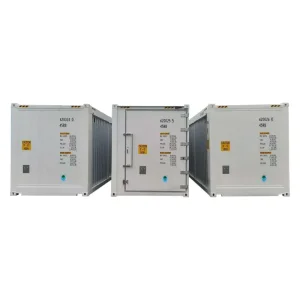
CIMIC evaluates every reefer container under ATP (Agreement on the International Carriage of Perishable Foodstuffs) guidelines. We verify the overall heat transfer coefficient (K-value) in calibrated climatic test chambers. K-values must remain below 0.38 W/m²·K for heavily insulated classification. Door seals undergo vacuum air-leakage decay measurements, and the polyurethane foam insulation is injected under high pressure to prevent thermal bridging or internal voids.
Each newly manufactured container arrives with a stainless steel CSC (Convention for Safe Containers) safety approval plate riveted to the left door. Our quality dossier includes Bureau Veritas (BV) or Det Norske Veritas (DNV) survey certificates, mill test certificates (MTC 3.1) for structural steel, AQIS timber treatment seals, paint dry-film thickness (DFT) verification logs, and non-destructive weld testing reports (NDT/radiographic testing on critical pad-eyes and pressure vessels).
Yes. We specialize in non-standard custom enclosures ranging from 10ft mini-cube modules to 53ft high-cube mega-battery units. Our engineering team calculates finite element analysis (FEA) models to integrate heavy floor floor-load capacities (up to 35 tons), fire suppression piping knockouts, intake/exhaust motorized louvers, and A60 marine-grade passive rock-wool fire partition walls.
For standard ISO dry cargo containers (20GP, 40HC), production capacity at our Tianjin facilities exceeds 500 TEU per day with flexible MOQs. For specialized custom modifications (such as side-door dry units, heated asphalt tanks, or DNV offshore skips), prototype engineering takes 2 to 3 weeks, followed by trial production batches of 1 to 5 units, scaling up to full production runs to support global tenders.
Consult directly with our intermodal engineering team. Submit your required cargo parameters, internal payload targets, refrigeration set points, or offshore classification mandates. Receive comprehensive CAD blueprints, finite element analysis (FEA) reports, and CIF/FOB pricing proposals within 24 hours.