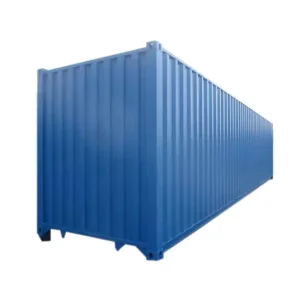
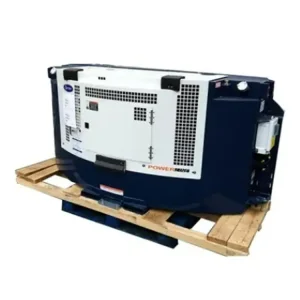
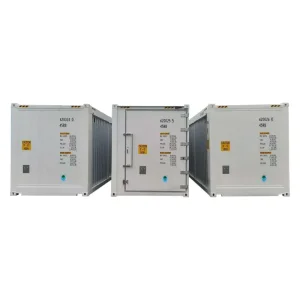
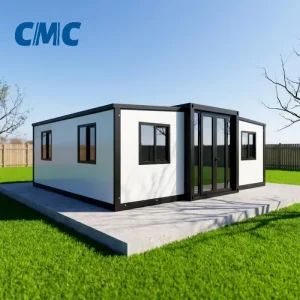
Verified production line units engineered with high-yield Corten steel, cryogenic thermal barrier coatings, and international classification society compliance.
Evaluating technological convergence, regulatory decarbonization mandates, and structural material enhancements shaping the future of global maritime cargo containment.
Modern sea containers are rapidly shifting from passive steel boxes to intelligent sensor nodes. Autonomous dry and reefer units now incorporate multi-constellation satellite connectivity, real-time internal atmospheric monitors, and shock-detection accelerometer arrays.
By standardizing on high-yield SPA-H weathering Corten steel treated with zinc-rich priming and solventless fluoropolymer topcoats, ocean-going containers resist relentless salt spray corrosion and dynamic multi-axial cyclic stress over 15+ operational lifecycles.
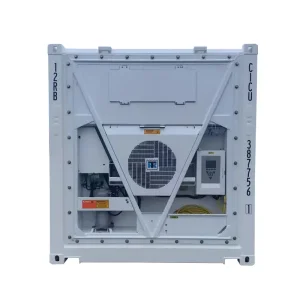
Next-generation reefer platforms engineered for sea voyages utilize variable-frequency hermetic scroll compressors and micro-channel condensers, reducing electrical load by up to 35% on shipboard auxiliary diesel gen-sets while holding cargo within 0.1°C tolerances.
Offshore container designs require structural resilience well beyond ISO 1496 guidelines. Finite element analysis (FEA) ensures corner castings, pad eyes, and silt baskets safely absorb severe horizontal impact forces caused by platform deck crane retrieval during heavy swell states.
Enterprise logistics directors, asset leasing funds, and energy consortiums balance dynamic capital expenditures with operational risk mitigation across maritime asset deployments.
Navigating tare mass reduction without structural integrity loss directly increases operational revenue per transoceanic journey. Advanced floor corrugation stamping and high-stress corner post roll-forming increase internal cube volume while preserving stackability up to 9 high loaded containers.
Intermodal transit requires flawless cross-border documentation. Standard compliance requires CSC safety approval plates, ISO 668/1161 certifications, Bureau Veritas (BV) classification verification, and DNV GL 2.7-1 / EN 12079 type-approvals for critical offshore deployment corridors.
Modern enterprise procurement increasingly favors dual-use containers. Units engineered with factory-installed structural framing accommodate rapid conversions into site offices, mobile power substations, clean energy battery storage enclosures (BESS), or offshore mobile medical facilities.
Operating from industrialized hubs in Tianjin and Suzhou, our manufacturing infrastructure harnesses automated production flowlines positioned under 100 km from deep-water ocean berths.
Continuous submerged-arc and multi-axis robotic gas-shielded welding deliver microscopic joint homogeneity across all primary structural framing. Every seam undergoes structural non-destructive testing (NDT) to prevent moisture ingress during intense oceanic gale conditions.
State-of-the-art automated shot blasting reaches Sa 2.5 cleanliness standards before high-pressure electrostatic painting. Advanced waterborne coatings significantly reduce VOC emissions while enhancing hydrophobic salt spray protection up to C5-M marine industry specifications.
Our staging yards sit strategically adjacent to key North China port infrastructure. This localized network slashes domestic drayage expenses, ensures immediate terminal gate-in windows, and facilitates seamless SOC (Shipper Owned Container) one-way deep sea positioning for global buyers.
From high-swell offshore oil fields to extreme temperature overland rail corridors, customized container architectures ensure operational reliability.
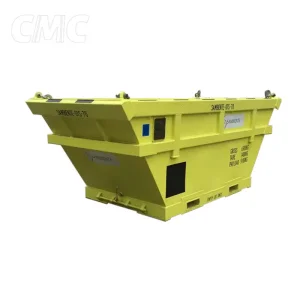
Certified DNV 2.7-1 silt baskets and specialized tool bins operate continuously on dynamic supply vessels. Reinforced lifting eyes, sling sets, and heavy-gauge corrugated steel protect specialized subsea extraction gear against sudden rolling forces during mid-ocean vessel crane transfers.
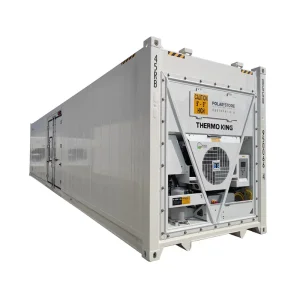
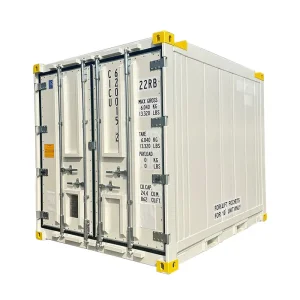
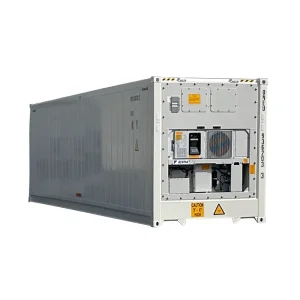
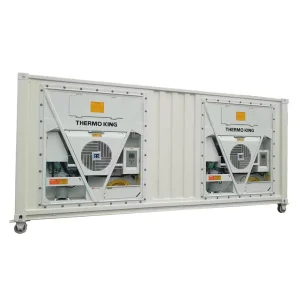
High-cube reefer containers equipped with Daikin and Thermo King refrigeration machinery navigate transpacific routes under exact atmospheric preservation regimes. Engineered micro-ventilation and digital datalogging prevent premature fruit ripening and sensitive vaccine degradation.
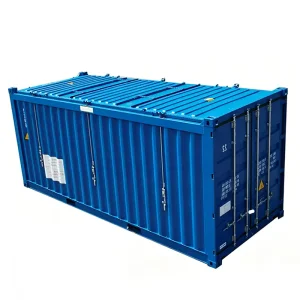
Containers transitioning between ocean flatbeds and transcontinental rail terminals feature high-impact floor understructures and heavy-duty forklift pockets. Double end-doors and side-curtain variants enable rapid inventory cross-docking at inland multimodal hubs.
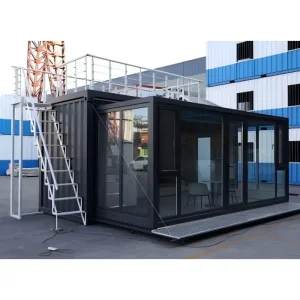
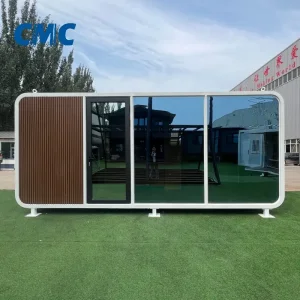
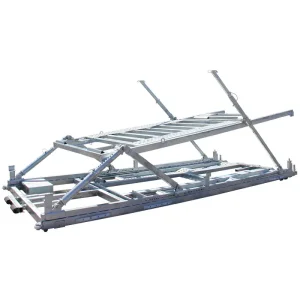
Foldable, expandable modular accommodation units built upon structural ISO steel footprints provide turnkey living spaces, sanitation modules, and remote engineering stations for mineral extraction projects and humanitarian disaster recovery programs across Africa and South America.
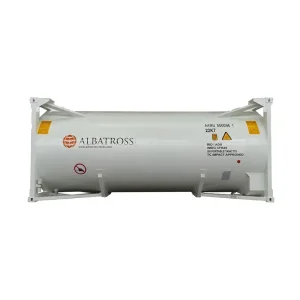
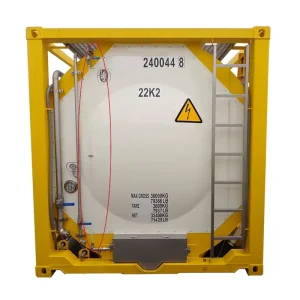
Specialized liquid gas tank platforms, rapid fold-out architecture, and classification-certified deep freeze reefers engineered for global exporters.
Direct technical explanations authored by structural container manufacturing engineers and international maritime compliance auditors.