Engineered to certified ISO, BV, and DNV tolerances. Explore our top turnkey export product configurations ready for international sea freight and site integration.

Cross-border freight systems have shifted from generic storage boxes to deeply specialized, mission-critical assets. Modern supply chains demand strict adherence to ISO 1496 and DNV 2.7-1 compliance frameworks.
Global corporate procurement teams no longer evaluate logistics containers purely on initial capital expenditure. Modern supply chain economics demand comprehensive lifecycle assessment: high-tensile Corten steel weathering profiles (SPA-H), multi-coat zinc epoxy anti-corrosion barrier coatings, and airtightness standards that prevent thermal leakage and cargo damage across intermodal transitions.
Interrupted transport chains across marine terminals, high-speed rail lines, and rough overland trucking necessitate standardized structural integrity. Container units engineered to withstand maximum gross weights of 30,480 kg to 34,000 kg provide multi-tier stack safety at port terminals while maintaining tight clearance compatibility with rail flatcars and automated twist-lock systems.
Every container deployed into transoceanic trade lanes must maintain an active International Convention for Safe Containers (CSC) safety plate. Factory-controlled testing protocols, including transverse racking tests, internal floor shear loading, and wall structural rigidity validations, safeguard cargo against structural buckling during heavy marine swells.
Standard intermodal containers do not suit non-standard cargo challenges. Our specialized product units are engineered for extreme operating parameters.
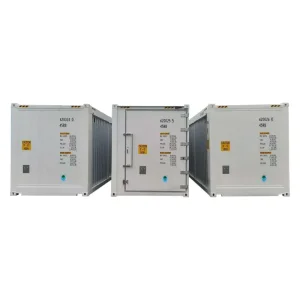
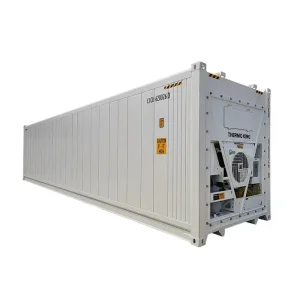
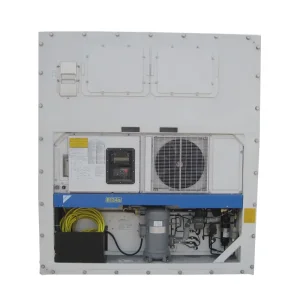
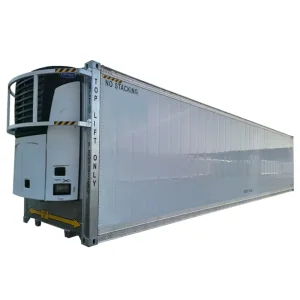
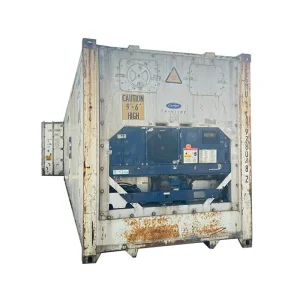
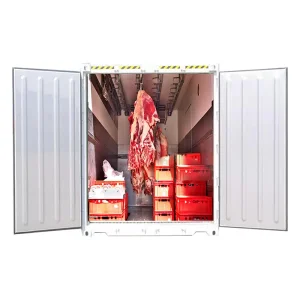
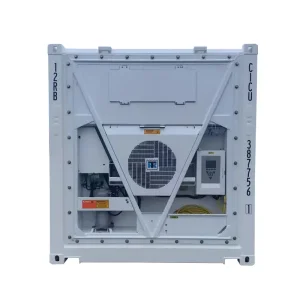
Utilizing Daikin, Carrier, or Thermo King refrigeration units, our high-cube reefer containers maintain precise temperature control between -30°C and +30°C. Coupled with high-density cyclopentane-blown polyurethane foam insulation, they ensure zero temperature deviance across extended sea voyages.
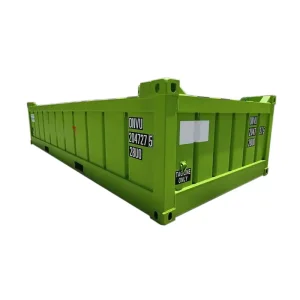
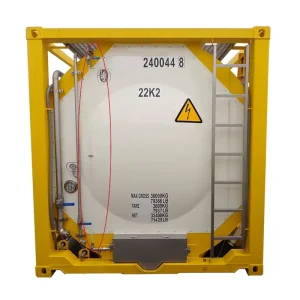
Designed in strict adherence to DNVGL-ST-E271 (DNV 2.7-1) and EN 12079 criteria, these offshore containers resist extreme saltwater corrosive environments, multi-point dynamic crane hoisting, and rough platform impacts in demanding maritime territories like the North Sea and Gulf of Mexico.
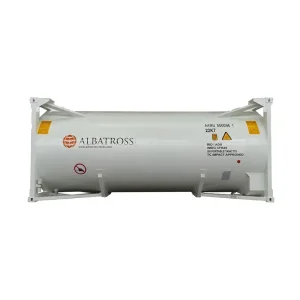
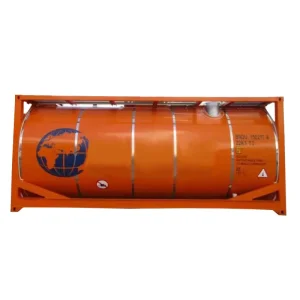
ISO 20ft liquid tank containers engineered from 316L stainless steel with insulated external shells provide secure containment for potable water, industrial alcohols, fuels, and hazardous chemical cargo, integrating ASME pressure vessel ratings and Bureau Veritas oversight.
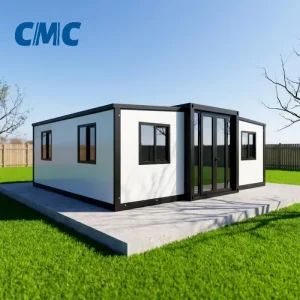
Expandable container structures and custom-engineered modular enclosures convert global standard freight envelopes into immediate industrial site accommodations, cleanrooms, electrical equipment battery energy storage systems (BESS), and field laboratory nodes.
The convergence of IoT telemetry, low-carbon alloy metallurgy, and modular design is transforming conventional logistics containers into predictive, automated nodes.
Integration of factory-fitted solar satellite telemetry trackers within the container recess profiles allows continuous transmission of environmental metrics. Fleet controllers gain real-time visibility into internal cargo temperatures, relative humidity, door-opening tamper triggers, and 3-axis G-force impact shocks during marine terminal transit.
Development pathways focus on ultra-high-strength structural steels that drop empty tare weights by 8-12%, reducing freight energy consumption. In refrigerated applications, incorporating vacuum insulation panels (VIP) and silica aerogels dramatically slashes refrigeration compressor runtimes, directly curbing diesel genset fuel emissions on intermodal rail routes.
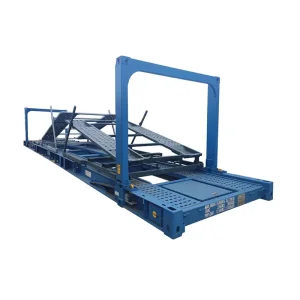
Customized container adaptations—such as multi-door side openings, overhead hatch cuts, or generator integrations—undergo advanced Finite Element Analysis (FEA) prior to physical fabrication. Dynamic load distribution modeling eliminates micro-flexing, safeguarding seal durability and structural compliance during crane lifting operations.
From coastal production complexes in Tianjin and Suzhou to destinations worldwide, our direct factory-to-port infrastructure reduces lead times and guarantees absolute documentation transparency.
Our primary manufacturing bases in Tianjin and Suzhou sit approximately 100 kilometers from international deepwater container shipping hubs. This strategic positioning eliminates long inland hauling bottlenecks, simplifies port staging, and enables rapid vessel loading for destinations across Africa, Europe, the Americas, and Australasia.
We run verifiable ISO 9001 quality management processes alongside third-party vessel and maritime survey approvals from Bureau Veritas (BV) and DNV. Every export series is tested for weld penetration, dimensional squareness, paint dry-film thickness (DFT), and watertight gasket compression before export sign-off.
Enterprise buyers receive dedicated one-on-one engineering consultation. From customized roll-up side doors, partition bulkheads, and interior cargo-hanging racks to specialized exterior paint branding and localized electrical plug matching (380V/440V 50/60Hz), our in-house designers handle complex custom configurations.
Detailed answers to essential technical and logistics questions commonly asked by international fleet managers and industrial procurement directors.
Our offshore dry cargo and refrigerated units are constructed strictly to DNV 2.7-1 (BS EN 12079) offshore container design requirements. This includes Charpy impact testing on steel, certified welded lifting pad-eyes, specialized marine coating systems designed for atmospheric corrosivity category C5-M, and full documentation for dynamic open-sea hoist maneuvers.
Used reefer units from shipping line fleets undergo a systematic Pre-Trip Inspection (PTI). Our certified refrigeration technicians perform complete electrical diagnostics, run pressure and freon leak inspections, verify compressor draw, validate fan motors, and test pull-down efficiency to sub-zero temperatures. Comprehensive photo dossiers and run logs are provided for each verified unit.
An active reefer container incorporates an automated electromechanical refrigeration cooling and heating unit (Thermo King, Daikin, or Carrier) requiring standard 380V/460V 3-phase marine power to actively sustain deep freezing or heating. Passive insulated containers feature thick polyurethane foam barriers without mechanical cooling, preserving interior cargo temperatures on short-haul transits without power hookups.
Standard inventory ISO dry containers and stocked used reefers can be supplied with an MOQ of 1 unit. For custom OEM/ODM designs requiring specialized tooling, non-standard dimensional geometry (e.g., custom half-heights, side roll-up doors, specialized fuel tanks), the initial prototype run generally starts from 1 to 5 units depending on steel cutting profiles and structural validation requirements.
From hanging fresh meat preservation to modular container structures and precision gas tanks, review additional standard and custom-manufactured solutions.