
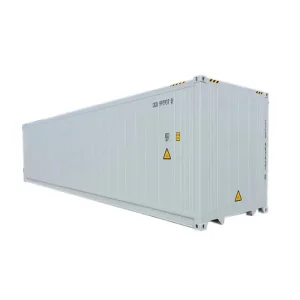
Riyadh Grade: High-Quality New 40ft High Cube Thickened Foam Insulation Container Manufacturer
Precision-engineered with zero-ODP rigid polyurethane foam walls to handle continuous +50°C solar loading across Riyadh dry ports.
Explore SpecificationEngineered for rigorous desert transport, bulk transit protection, and high-ambient operational stability across Saudi Arabian trade routes.
A comprehensive examination of thermodynamic constraints, Vision 2030 supply chain demands, and non-mechanical passive cooling reliability.
Riyadh operates as the geographic, economic, and logistical hub of the Kingdom of Saudi Arabia. With ambitious Vision 2030 megaprojects expanding across the Neom region, the Red Sea corridor, and the industrial centers of Sudair and King Abdullah Financial District (KAFD), the demand for climate-controlled cargo infrastructure has surged by over 40% year-on-year. However, the geographic reality of the Najd Plateau presents unique physical challenges: ambient summer temperatures regularly reach +48°C to +52°C, combined with abrasive silicate dust storms and severe diurnal temperature fluctuations exceeding 25°C between day and night.
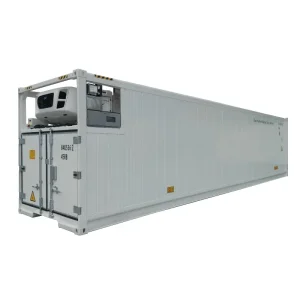
While active reefer containers are critical for fresh dairy and deep-freeze transit, passive insulated containers provide unmatched operational resilience across Riyadh's intra-regional distribution routes. Reefer units depend heavily on continuous diesel gensets or shore-power connections. During long customs dwell periods at the Riyadh Dry Port (RDP) or during unpaved remote site deliveries, genset mechanical failure results in immediate catastrophic cargo loss.
Conversely, thickened foam insulated shipping containers operate purely on thermodynamic thermal mass retention and airtightness. Without moving parts, mechanical compressors, or combustible diesel tanks, passive insulated units virtually eliminate transit downtime and reduce operational fuel expenditures to zero—aligning seamlessly with national decarbonization targets.
Bypasses costly diesel generator upkeep during high-temperature highway staging between Dammam Port and Riyadh distribution terminals.
Multi-lip food-grade EPDM door gaskets engineered to resist desert fine-dust ingress (PM2.5/PM10) common during seasonal Khamsin sandstorms.
External marine-grade epoxy coatings with high total solar reflectance (TSR > 84%), drastically lowering outer steel skin heat absorption.
Comparative structural specifications for standardized global units versus our Riyadh Heavy-Duty insulation variants.
| Performance Indicator | Standard ISO Dry Unit | Standard Commercial Insulated | CIMIC Riyadh Extreme-Thermal Grade |
|---|---|---|---|
| Core Insulation Material | None (Corrugated Corten) | 50mm EPS / Fiber Wool | 75mm - 100mm High-Density Injected PU/PIR |
| Overall Heat Transfer Coeff. (U-Value) | > 6.5 W/(m²·K) | ~ 0.75 W/(m²·K) | ≤ 0.35 W/(m²·K) (Enhanced ATP Standard) |
| Surface Solar Reflectivity (TSR) | 15% - 25% (Standard Paint) | 40% - 50% | ≥ 85% Multi-layer Heat-Shield Polyurethane |
| Internal Temperature Drift (+48°C Ext.) | +22°C within 1.5 hours | +6°C within 4 hours | ≤ 1.2°C per 12 hours (Thermal Buffer Locked) |
| Gasket Seal & Ingress Protection | Standard Single Lip | Dual Rubber Flange | Quad-lip EPDM Hermetic Compression Gasket |
Deployment scenarios solving operational bottlenecks in transport, storage, and civil engineering infrastructure.
Ensuring constant +15°C to +25°C Controlled Room Temperature (CRT) compliance for imported biologic medicines routed from King Khalid International Airport (KKIA) to regional pharmaceutical hubs.
Protecting thermosensitive epoxies, structural bonding chemicals, and polyurethane sealants destined for giga-project construction sites from premature polymer degradation during transit.
Serving as static, off-grid food rations and sensitive tool containment rooms in mining sites across the Riyadh administrative quadrant, fully immune to electrical grid dropouts.
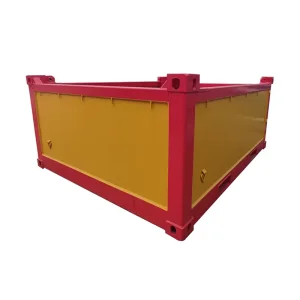
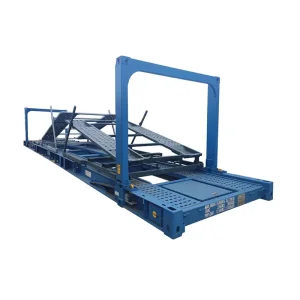
Comprehensive portfolio from standard ISO dry shipping units to specialized DNV certified tanks and modular structures.
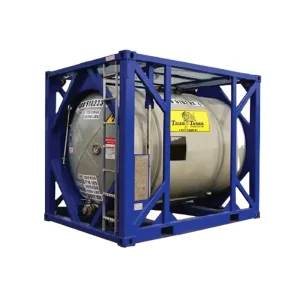
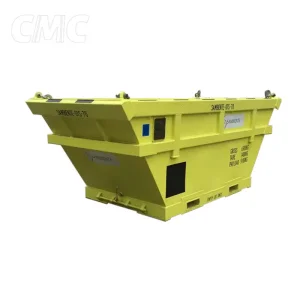
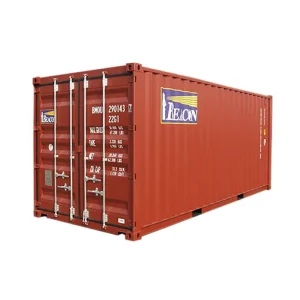
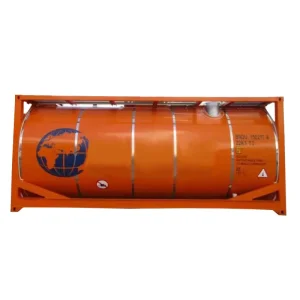
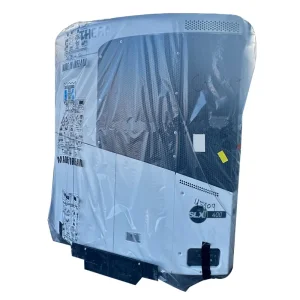
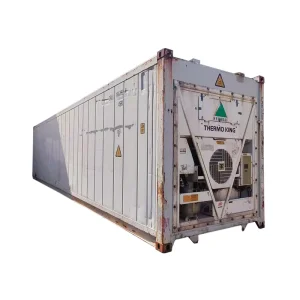
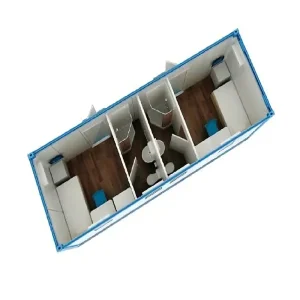

Combining 40+ years of industrial container fabrication with turnkey Middle Eastern regulatory clearing standards.
Established in 1983, CIMIC operates advanced automated container manufacturing lines strategically located within 100 km of primary seaports in North China. For buyers in Riyadh and across the GCC, equipment procurement involves stringent technical scrutiny. Our dedicated Middle East compliance team manages the full verification loop under the Saudi Arabian SABER platform, assuring that all imported insulated and special containers satisfy the technical regulations set forth by SASO (Saudi Standards, Metrology and Quality Organization).
Every insulated container destined for the Riyadh market is issued with international classification approvals—including Bureau Veritas (BV), ISO 9001 quality certificates, and CSC safety approval plates. Structural welding, vacuum foam injection, and seal assemblies undergo rigorous leak tests, infrared thermal imaging verification, and automated door pressure cycle checks before dispatch.
Next-generation innovations being piloted for Middle Eastern logistics corridors.
Real-time continuous temperature, humidity, and door-opening logging transmitted via non-terrestrial satellite networks across the Rub' al Khali and central desert highways.
Integration of latent heat-absorbing salt hydrate PCM cassettes that maintain strict +2°C to +8°C bands without electrical supply for up to 96 continuous hours in high desert ambient heat.
Next-generation thermal insulation utilizing soy-based, zero-halogen blowing agents aimed at achieving low embodied carbon indices demanded by Vision 2030 green building guidelines.
In-depth technical answers addressing operational, regulatory, and mechanical questions about our insulated container products.