Used Tank Container Pricelist & Exporters in Los Angeles
Authoritative Technical Guide on Sourcing Pre-Owned ISO Tank Containers (UN Portable T11/T14/T50/T75), Depots in San Pedro Bay, ASME & CSC Recertification, Landed Pricing, and Chinese Factory Direct Supply Networks.
Featured Inventory · Port of Los Angeles Direct Dispatch
Prime Pre-Owned & Specialized Intermodal Equipment in Greater Los Angeles
Every piece of intermodal equipment engineered and certified for heavy transport corridor operations connecting the San Pedro Bay Complex (POLA & POLB), Inland Empire distribution yards, and transcontinental rail terminals.
Heavy Transport
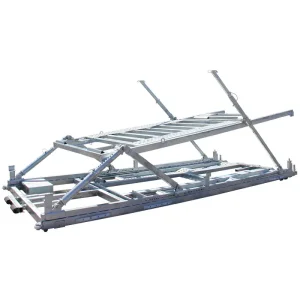
Los Angeles Intermodal High-Quality Vehicle Transport Rack System
Engineered for maximizing roll-on vehicle loading and specialized heavy payload integration within standard maritime and intermodal containers.
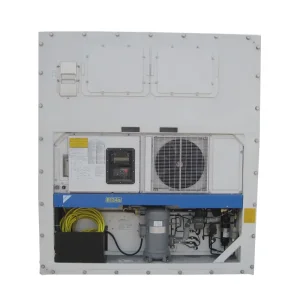
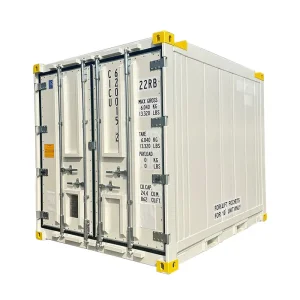
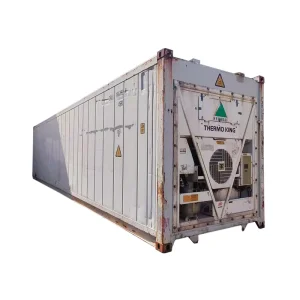
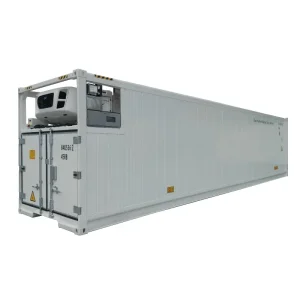
China New 10ft Certified Thermo King Freezer Container (LA Depot Ready)
Compact footprint, high-accuracy thermal control suitable for tight industrial yards, refinery sampling, and boutique beverage storage in Southern California.
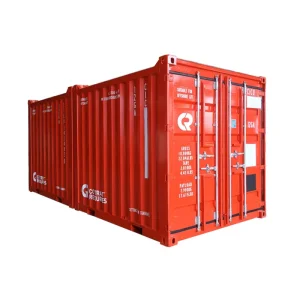
OEM New DNV-Certified Offshore Heavy Cargo Container (Pacific Coast Line)
Compliant with strict marine offshore lifting norms, pad-eyes, and heavy-duty structural standards for maritime petrochemical exploration and servicing.
Strategic Ecosystem · Southern California Industrial Corridor
The Commercial & Industrial Realities of Used Tank Containers in Los Angeles
The Greater Los Angeles metropolitan area and its surrounding logistics hinterland represent the most critical intermodal freight nexus on the Western Seaboard of North America. Anchored by the twin deepwater ports of Los Angeles and Long Beach—collectively processing tens of millions of TEUs annually—the Southern California (SoCal) corridor serves as a hyper-dense proving ground for bulk liquid transport. However, unlike traditional dry freight where standardized 20ft and 40ft conex boxes rotate through domestic and transpacific loops with relative uniformity, the used ISO tank container market operates under distinct chemical, metallurgical, and municipal regulatory dynamics.
In Los Angeles County, industrial demand for secondary (pre-owned) ISO tank containers (UN Portable T11, T14, T50, and specialized cryogenic T75 vessels) is propelled by four robust commercial sectors:
Petrochemical & Lubricant Refining
From the industrial complexes of El Segundo, Torrance, Carson, and Wilmington, used 316L stainless steel tank containers provide safe, closed-loop intermediate bulk storage and transfer for caustic sodas, aromatics, solvents, and motor oil formulations without capital expenditure in permanent stationary tanks.
Biofuels & LCFS Feedstocks
Driven by the California Low Carbon Fuel Standard (LCFS), huge volumes of used cooking oil (UCO), tallow, and renewable diesel blends (HVO) arrive through LA Harbor. Pre-owned ISO tanks fitted with steam heating coils represent the preferred containerized vessel for viscosity control during rail and drayage routing.
Food-Grade & Beverage Intermodal
Southern California acts as the primary bottling and export corridor for California's Central Valley wine, citrus juice concentrates, and edible oils. Strict FDA and Kosher-certified pre-owned stainless steel tanks eliminate the single-use plastic waste of flexitanks while ensuring zero oxidation during transoceanic shipping.
Depot yards clustered around Wilmington, Carson, Long Beach, and the Inland Empire (Ontario, Fontana, and San Bernardino) constantly contend with structural fleet repositioning. The massive structural imbalance of transpacific trade means thousands of ISO tanks land on the West Coast laden with bulk chemicals or food products and face high repositioning costs to return empty to Asia. This dynamic generates a highly liquid secondary marketplace in Los Angeles, where astute plant managers, freight forwarders, and liquid bulk operators can acquire certified, structurally sound used ISO tank containers at substantial discounts compared to newly fabricated domestic units.
Used Tank Container Pricelist & Technical Valuation in Los Angeles
Secondary tank container pricing in Los Angeles depends fundamentally on vessel metallurgy, pressure code compliance (UN Portable Tank Instruction T1 to T75), recent inspection milestones (CSC / IMDG 2.5 & 5-year tests), previous cargo history (Clean Certificate vs. Chemical Dedicated), and exterior frame structural integrity.
Tank Specification
Nominal Volume
Shell Material / Lining
Working / Test Pressure
Typical Applications
Los Angeles Depot Price Range (USD)
ISO T11 Standard Liquid Tank (5–8 yrs old, current 2.5/5yr test)
Critical Factors Governing the Valuation of Used Tank Containers
When purchasing pre-owned tank containers out of depots in Los Angeles or ordering directly from specialized Chinese export refurbishers, buyers must evaluate more than just upfront acquisition costs. Key parameters include:
Mandatory Periodic Testing Status: Under 49 CFR § 180.605 and IMDG Section 6.7, tank containers require an intermediate 2.5-year pneumatic test and a 5-year complete hydrostatic pressure test along with visual and valve servicing. A tank sold with a newly stamped 5-year test certificate commands a $1,500–$2,800 valuation premium over an expired unit.
Shell Thickness & Pitting Surveys: Ultrasonic Thickness (UT) gauging is essential. Original nominal shell thicknesses typically measure 4.4mm to 4.8mm for 316L stainless steel. Corrosion pitting or aggressive chemical wear reducing thickness below the minimum design calculation (often 3.8mm to 4.0mm) can permanently de-rate the vessel or render it non-compliant for hazardous goods transit.
Discharge Valve & Gasket Integrity: Premium bottom discharge systems (typically 45-degree 3-inch cleanflow foot valves paired with butterfly valves from industry leaders like Fort Vale or Perolo) must feature virgin PTFE or encapsulated seals without elastomeric degradation.
Insulation Cladding Condition: Most T11 tanks operate with 50mm of rockwool or polyurethane insulation protected by 1.8mm glass-reinforced plastic (GRP) or stainless steel cladding. Water ingress into degraded cladding compromises thermal retention during steam heating and adds unmeasured tare weight.
Direct Manufacturing & Global Supply Chain Synergy
China Factory Advantages: Engineering Precision, Remanufacturing & Cost Arbitrage
Over 90% of the world's ISO tank containers are manufactured along China's coastal industrial belts. For California-based enterprises, sourcing certified used or factory-refurbished tank containers directly from top-tier Chinese manufacturers yields unmatched technical and financial advantages.
Full OEM Remanufacturing Protocols
Unlike third-party broker depots in Los Angeles that only perform basic exterior pressure washes, Chinese production plants execute comprehensive factory refurbishment: automated robotic interior electropolishing, submerged arc re-welding of high-stress frame members, and fresh anti-corrosion marine coatings.
Dual ASME U-Stamp & CSC Certification
Export units engineered in premier Chinese facilities carry certified third-party surveyor stamps from Bureau Veritas (BV), Lloyd's Register (LR), or China Classification Society (CCS), ensuring seamless recertification under US DOT, ASME Section VIII, and IMDG provisions upon arrival in Los Angeles.
Direct Port-to-Port Freight Arbitrage
By shipping refurbished units direct from Tianjin, Qingdao, or Shanghai to Los Angeles Harbor on "One-Way Cargo Loaded" arrangements, procurement managers completely bypass ocean positioning freight costs, achieving landed prices 20% to 35% lower than Southern California domestic equipment brokers.
Custom Engineering & Modernization Options
When purchasing from Chinese manufacturing exporters like CIMIC, buyers can customize used equipment before dispatch to the Port of Los Angeles:
1. Electric Heating Retrofits: Converting or supplementing standard steam-heat conduits with ATEX / IECEx certified glycol or electric heating blankets, essential for handling high-viscosity waxes, bio-feedstocks, and polyurethanes across California freeze-prone mountain routes.
2. Baffle Installation: Integrating longitudinal or transverse surge baffles inside 24,000L or 26,000L vessels to minimize liquid sloshing during sudden decelerations on US Interstate corridors (I-5, I-10, I-710).
3. Smart Telematics Integration: Pre-fitting solar-powered, explosion-proof GPS tracking units, digital level sensors, and real-time pressure/temperature probes for seamless telemetry into North American fleet management software.
Industry Trajectory · Macro Economic Shift
Industry Development Trends: Decarbonization, Circular Economy & Intermodal Growth
The global liquid logistics industry is experiencing a profound structural transition. Driven by ESG mandates, environmental regulations in California, and supply chain efficiency, the adoption of reusable ISO tank containers is accelerating over traditional disposable packaging.
Replacement of Single-Use Flexibags
Under tightening California environmental oversight (such as strict packaging waste regulations), the single-use plastic flexibag faces increasing scrutiny. ISO tank containers boast a service lifespan of 25 to 30 years with nearly 100% recyclability, offering a vastly superior lifecycle carbon footprint for transpacific shippers.
Intermodal Hub Efficiency (ICTF & BNSF Hobart)
With direct rail links from the Intermodal Container Transfer Facility (ICTF) in Long Beach and the BNSF Hobart Yard in Commerce, ISO tanks transfer seamlessly between double-stack rail wagons and drayage chassis, eliminating hazardous intermediate pumping operations between tank trailers and rail cars.
Predictive IoT & Condition Monitoring
Modern regulatory standards require verifiable temperature and pressure tracking during the transit of volatile chemicals and hazardous reagents. Smart used tank containers equipped with wireless sensors empower chemical operators to detect minor pressure venting anomalies or seal leakages prior to port entry.
Furthermore, the economics of leasing versus capital asset ownership have shifted dramatically. Amid volatile lease rates driven by global geopolitical uncertainties and container shipping line repositioning premiums, chemical distributors and industrial processors in Southern California increasingly choose to own their core ISO tank fleets. Acquiring pre-owned, recertified containers allows companies to fix asset costs, eliminate recurring demurrage penalties, and preserve flexibility for static on-site chemical blending and raw-material buffering.
Regulatory Compliance & Due Diligence Framework
Enterprise Procurement Protocol: Inspecting Pre-Owned Tanks for West Coast Operations
Deploying used tank containers on North American roads, railways, and ports necessitates rigorous adherence to federal, state, and maritime regulations. Failing to perform comprehensive technical due diligence can lead to costly port detentions, OSHA safety violations, or catastrophic chemical spills.
Inspection Component
Technical Criterion
Regulatory Standard
Actionable Verification Protocol
CSC Safety Approval Plate
Valid ACEP (Approved Continuous Examination Program) or next examination date stamped
International Convention for Safe Containers (CSC 1972)
Ensure data plate lists original manufacturer, tare weight, maximum gross weight, and certified stacking capability (typically 192,000 kg).
Pressure Relief Devices
Spring-loaded relief valves with bursting disc and tell-tale manometer
49 CFR § 178.275 & IMDG Code Section 6.7
Inspect calibration tags; verify set pressure (typically 3.00 to 4.40 bar) and confirm burst disc shows zero deformation or pinhole tears.
Shell Metallurgical Integrity
Zero stress-corrosion cracking; minimum wall thickness compliance
ASME Boiler & Pressure Vessel Code Section VIII
Execute 8-point Ultrasonic Thickness (UT) testing across bottom centerline, knuckle radii, and weld seams adjacent to baffle attachments.
Pressure test valve seat seals; confirm spring return operates smoothly; inspect PTFE seals for chemical hardening or blistering.
Cleanliness / Previous Cargo
Gas-free, odor-free, residue-free certificate issued by an accredited cleaning bay
OSHA Confined Space Standards & FDA/Kosher Rules
Review historical Cargo Log; verify five prior cargos; confirm no persistent toxic polyurethanes or pesticides were transported in food-designated vessels.
ISO Corner Castings & Frame
Dimensions within ISO 1161 tolerances; no frame deflection exceeding 10mm
Frequently Asked Questions: Used Tank Containers & Los Angeles Exporters
Direct answers to the most critical technical, commercial, and regulatory inquiries submitted by fleet procurement officers, chemical logistics directors, and freight forwarders.
What is the difference between an ISO T11 and an ISO T14 tank container?
The primary differentiation lies in hazardous handling capability and discharge design. A UN T11 tank is configured for bottom discharge of non-hazardous and moderately hazardous industrial liquids and food products (working pressure typically 2.65 bar, test pressure 4.0 bar). Conversely, an ISO T14 tank container is specifically engineered for severe toxic and corrosive liquids (such as concentrated hydrochloric acid or hydrofluoric acid) and mandates top-only discharge without any bottom shell penetrations, combined with a higher test pressure (6.0 bar) and heavy-duty internal anti-corrosion linings (rubber, PTFE, or PFA).
Can a used chemical ISO tank container be converted to transport food-grade products?
Under international standards (including ITCO guidelines, US FDA regulations, and European food transport norms), converting a tank that has carried toxic chemicals, agricultural pesticides, or heavy aromatics into a food-grade vessel is strictly prohibited due to chemical absorption within microscopic metallurgical grain boundaries and seal materials. However, if a used tank has exclusively carried food-compatible liquids (such as vegetable oils, potable alcohol, or juices) with complete verifiable documentation, it can undergo intensive chemical degreasing, passivation, and sanitization at an approved wash rack to renew its food-grade certification.
How does periodic testing work for pre-owned tank containers entering the Port of Los Angeles?
Under Title 49 CFR and IMDG Code 6.7, every ISO tank container must undergo a periodic 2.5-year intermediate pneumatic test and an extensive 5-year hydrostatic pressure test. When an overseas exporter ships a used tank into Los Angeles, the tank must have a valid inspection plate stamped by an accredited classification society surveyor (such as BV, LR, ABS, or CCS). If the tank arrives with an expired plate, it cannot legally be hauled on US highways or loaded onto rail flatcars until an authorized local depot performs a re-inspection and hydro test.
What is the standard payload capacity and tare weight of a typical 24,000L tank container?
A standard 20ft ISO T11 24,000-liter insulated stainless steel tank container exhibits a tare weight ranging between 3,500 kg and 3,900 kg (7,716 lbs to 8,598 lbs), with a Maximum Gross Mass (MGM) rating of 36,000 kg (79,365 lbs). This yields an allowable payload capacity of approximately 32,200 kg. However, operators transporting ISO tanks across California highways must remain vigilant regarding federal bridge formula limits and California Department of Transportation (Caltrans) vehicle weight restrictions (typically 80,000 lbs combined gross vehicle weight on standard 5-axle tractor-trailer combinations), necessitating the use of specialized lightweight drop-frame chassis or tri-axle configurations for dense liquids.
How do Chinese factory exporters guarantee quality when shipping used tanks to California?
Established Chinese container manufacturers and exporters enforce stringent Quality Assurance (QA) regimes. Prior to dispatch, each pre-owned vessel undergoes dry grit blasting (Sa 2.5 standard), ultrasonic wall thickness testing, dye-penetrant weld testing, calibration and bench testing of all Fort Vale or Perolo valves, replacement of all PTFE gaskets, and a complete 5-year hydrostatic test witnessed and certified by third-party surveyors (such as Bureau Veritas). Comprehensive data packs—including inspection certificates, clean certificates, and high-resolution internal inspection imagery—are supplied to US buyers prior to vessel departure.
Complete Specialized Intermodal Catalog · Global Export
Specialized ISO Containers & Intermodal Solutions for North American Logistics
Explore our expanded inventory of brand new and factory-certified second-hand ISO containers, liquid tanks, combination reefers, and modular field structures engineered for maritime, rail, and heavy industrial integration.
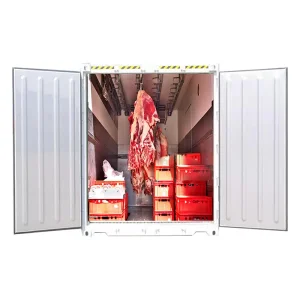
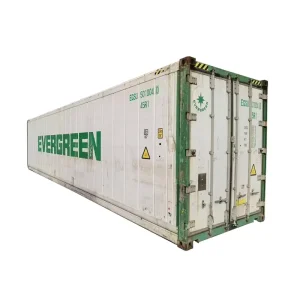
40ft Reefer
New 40ft High-Cube Refrigerated Container for LA Cold Chain Fleet
Commercial deep-freeze maritime reefer box engineered for temperature-controlled cold room logistics, agricultural shipping, and transpacific cold freight.
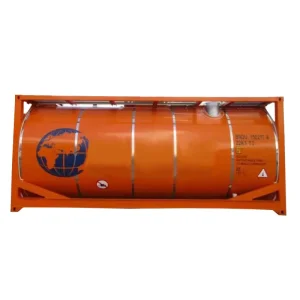
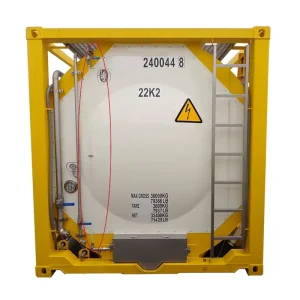
China 20-Foot ISO Liquid Tank Container for Potable Water & Fluids
Robust 304/316L stainless steel liquid tank container engineered for municipal emergency water storage, industrial brine transport, and bulk fluid logistics.
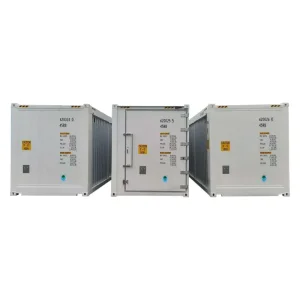
Tri-zone multi-temperature compartmentalized refrigeration unit designed for food processing distributors and diverse bulk temperature-sensitive cargo.
Certified 20ft T11 ISO Tank Container for Potable Alcohol & Spirits
High-precision polished internal stainless tank with steam heating channels, dedicated to wine, whiskey, distilled ethanol, and neutral spirits transport.
Whether you require a single recertified T11 tank container dispatched to your Long Beach depot or need to commission an entire 50-unit fleet of custom-modified chemical tanks with ASME U-Stamps, our engineering and export team is ready to deliver technical drawings, inspection certificates, and CIF Los Angeles pricing within 24 hours.