
ISO Gas Tank
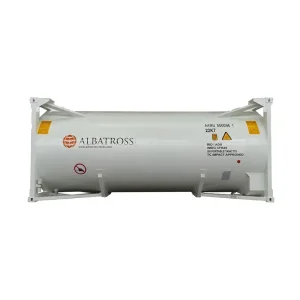
Explore high-specification ISO intermodal units, hazardous cargo containment systems, marine DNV baskets, and mobile power cold boxes configured for volume export procurement.
In international container logistics, buying exactly 30 units represents an inflection point in total cost of ownership (TCO), space allocation optimization, and bespoke factory tooling amortisation.
A 30-container parcel represents a standard bay tier deployment on mid-sized multipurpose feeder vessels and charter barges. When negotiating ocean transit from northern Chinese ports such as Tianjin, committing to 30 TEU / FEU positions unlocks tier-one block space agreements, mitigating seasonal spot freight rate volatility by up to 22% compared to ad-hoc purchases.
Automated welding jigs, continuous robotic Corten seamers, and multi-stage shot blasting paint bays in modern Chinese manufacturing plants require substantial setup calibration. A batch order of 30 containers covers the minimum continuous cycle run threshold needed to zero-out specialized tooling setup fees for custom insulation, door modifications, or heavy offshore specifications.
International classification societies (Bureau Veritas, DNV, Lloyd's Register, CCS) conduct statutory batch destructive, pressure-decay, and stacking load tests by manufacturing production lots. Thirty units form the exact boundary of a unified testing cluster, ensuring 100% full-lot certification coverage under a single Surveyor Attendance Inspection dossier.
Originating from Tianjin and regional manufacturing centers established since 1983, Chinese container fabrication integrates uncompromised metallurgical security with seamless port-gate throughput.
Proximity to national steel producers (such as Shougang and Baowu) guarantees mill-certified weathering Corten-A (SPA-H) alloy steel sheets and rollings. This structural steel develops an autogenous stable rust layer that stops oxidation, vital for sea-going atmospheric resistance.
Modern Chinese facilities employ computerized hydraulic cold-roll forming lines for 1.6mm/2.0mm corrugation profiles, automated shot blasting to Swedish standard SA 2.5, and automated electrostatic spraying with zinc-rich epoxy primers followed by heavy thermoplastic intermediate coats.
Located inside the Tianjin Free Trade Zone and adjacent logistics arterial expressways, factories operate roughly 100 km from Tianjin Xingang terminal. Direct yard-to-berth drayage channels avoid domestic intermodal transshipment delays and enable rapid roll-on/roll-off dispatch.
Cross-border freight transport demands adherence to multi-jurisdictional standards. Direct purchases are verified with complete engineering dossiers for smooth maritime, rail, and inland transport.
| Standard / Regulation | Governing Body | Mandatory Engineering Criteria | Operational Target Applications |
|---|---|---|---|
| CSC Safety Approval | IMO / UN Maritime | Static stacking load test (192,000 kg), transverse racking (150 kN), door perimeter hermeticity | Mandatory for all intermodal commercial maritime cargo vessels |
| DNV 2.7-1 / EN 12079 | Det Norske Veritas | Impact testing at -20°C, 4-point dynamic sling drop tests, specialized padeye metallurgy | Offshore platform transfer, North Sea / Gulf of Mexico oil & gas assets |
| TIR Customs Seal | World Customs Org | Customs-approved fasteners, hinge pin weld locking, anti-tamper door handle brackets | Cross-border Eurasian rail transits & bonded inland dry-port corridors |
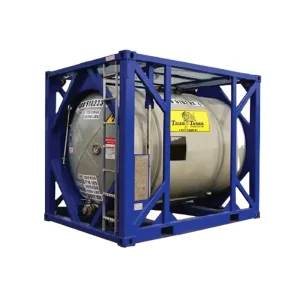
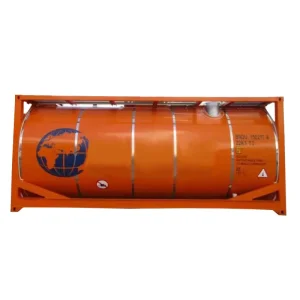
| ISO 1496 / ASME VIII | ISO Technical Comm | Pressure boundary hydrotests (2.65 to 6.0 bar), ASME U-stamp trace for cryogenic gas barrels | Bulk chemicals, food-grade liquid commodities & high-pressure gas transport |
| ATP Food Homologation | UNECE Geneva | Certified K-value insulation coefficient (≤ 0.40 W/m²·K), controlled airflow ducting | Temperature-regulated continental perishables, cold-chain poultry & vaccine supply |
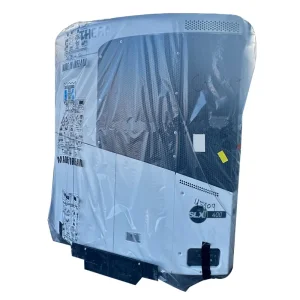
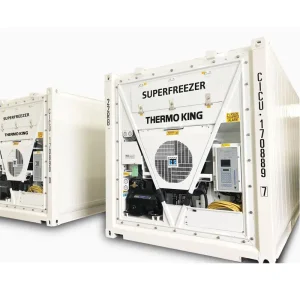
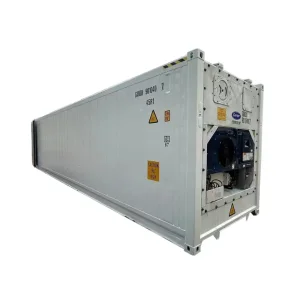
For specialized refrigerated units and auxiliary power generators, partnerships with Carrier Transicold, Thermo King, and Daikin allow global warranty claims, OEM spare parts dispatch, and service engineer deployment across Africa, Europe, North America, and Australia.
Prior to releasing the 30-container consignment, buyers or their designated third-party surveyor (SGS, Bureau Veritas, Intertek) access our testing facilities for dimensional laser alignment, corner casting non-destructive testing (NDT), and high-pressure light-leak water deluge inspections.
Consignments are finished with corporate liveries utilizing polyurethane coatings, ISO 6346 BIC alpha-prefix coding, registered owner codes, and laser-engraved stainless steel CSC data plates designed to endure UV degradation in equatorial salt-fog environments.
A 30-container asset acquisition empowers companies to fulfill high-volume logistical and structural projects across critical sectors.
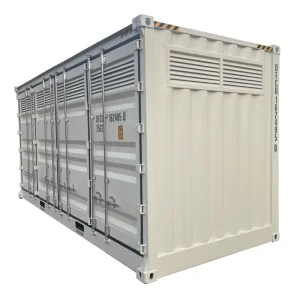
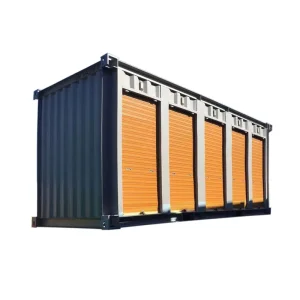
Equipped with side-opening access doors, gravity spark-suppression ventilation louvers, leak-collection sump basins, and intumescent thermal insulation, modified 20ft/40ft units function as transportable chemical storage facilities or integrated battery energy enclosures.
Units running across the China-Europe freight railway corridor and trans-African networks utilize high-strength floor subassemblies with heavy forklift floor loading capacity (7,260 kg per ISO standard) and bamboo-composite marine plywood to withstand rail shunting vibrations.
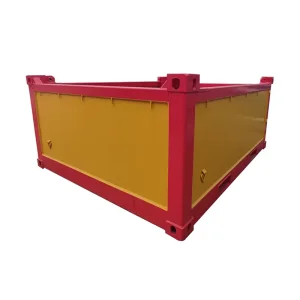
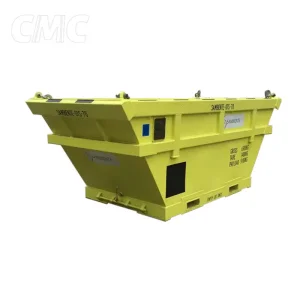
For marine platforms and silt extraction, offshore basket containers and half-height open tops manufactured to DNV certifications feature Charpy V-notch tested steel profiles capable of absorbing heavy ocean surge impact while maintaining full structural safety.
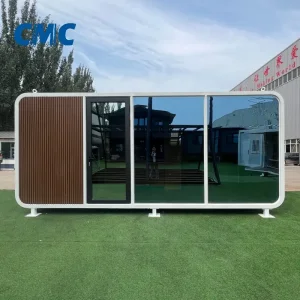
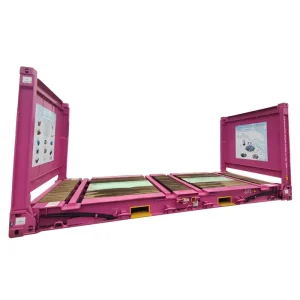
Standardized flat-pack modular pods, mobile office units, and Apple Cabins constructed on standardized ISO corner footprints allow 30-container batches to be interlocked into complete on-site living compounds, hospital units, or modular data hubs within days of ocean discharge.
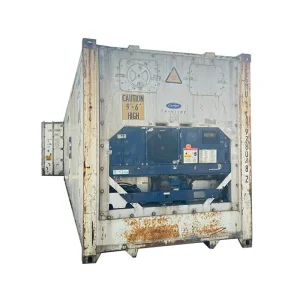
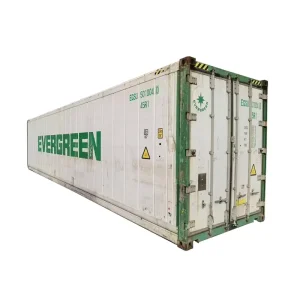
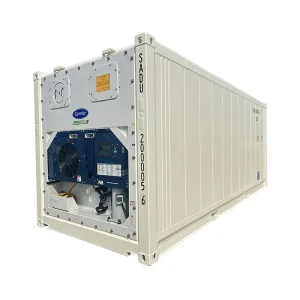
Carrier, Daikin, and Thermo King-powered refrigerated units maintain interior temperatures between -35°C and +30°C. Applied in continuous pharmaceutical distribution and seafood deep-freeze preservation, stainless steel inner linings safeguard food safety standards.
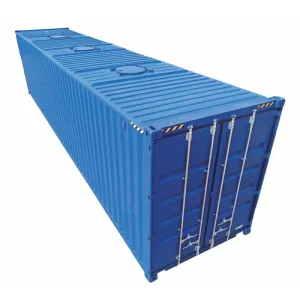
Bulk cargo shipping containers equipped with dedicated roof-loading hatches and discharging discharge doors allow granular plastics, grain, and mineral ores to be handled without costly multi-stage bagging and debagging processes.
Procuring modern container equipment requires anticipating shifts in IoT telemetry, sustainable materials, and global carbon border requirements.
Smart containers integrate integrated satellite-cellular transceivers, interior motion sensors, and temperature/humidity logging. Our engineering provides ATEX-certified mounting brackets inside corner casting recesses for tamper-proof location and condition tracking.
In response to international air quality and environmental requirements, manufacturing processes utilize waterborne acrylic paint systems. These significantly reduce Volatile Organic Compound emissions while maintaining corrosion protection across long marine transit routes.
Through advanced finite element analysis (FEA), container structures use high-yield micro-alloyed steel. This lowers the tare weight of 40ft High Cube containers by up to 280 kg, allowing increased net payload capacity under highway bridge axle regulations.
Review our secondary portfolio of high-cube, marine-grade liquid tank, dry bulk, and customized cold storage assets available for contract consignment.
Clear engineering and export answers covering classification certifications, steel grades, reefer commissioning, and logistics operations.